

13. Maa Jawala (Gaggal, Himanchal Pradesh)
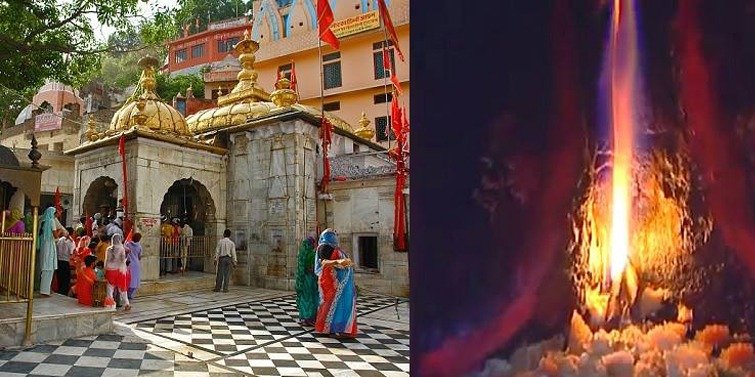
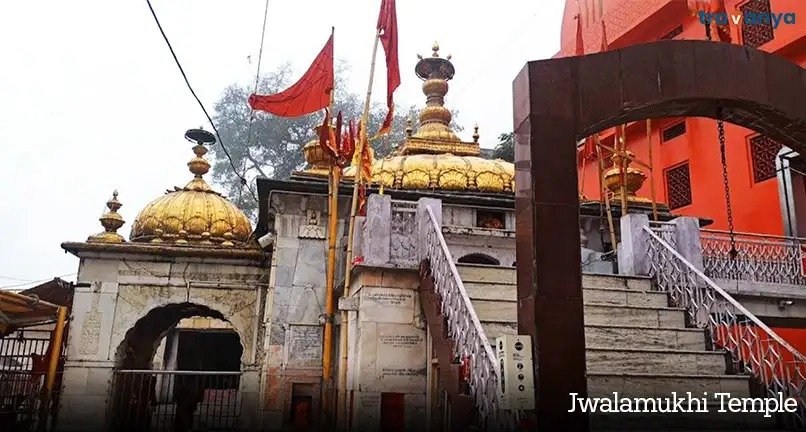
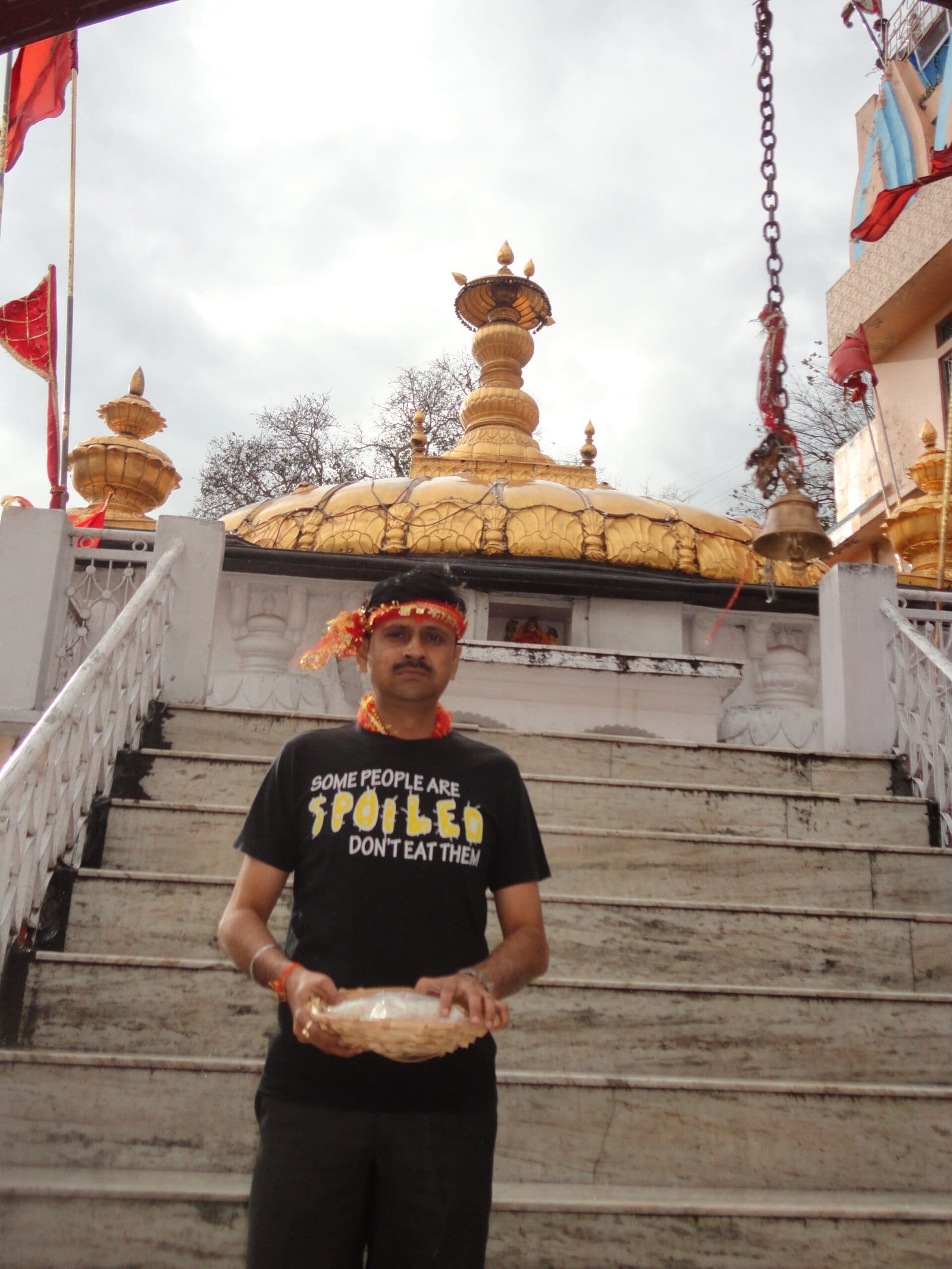
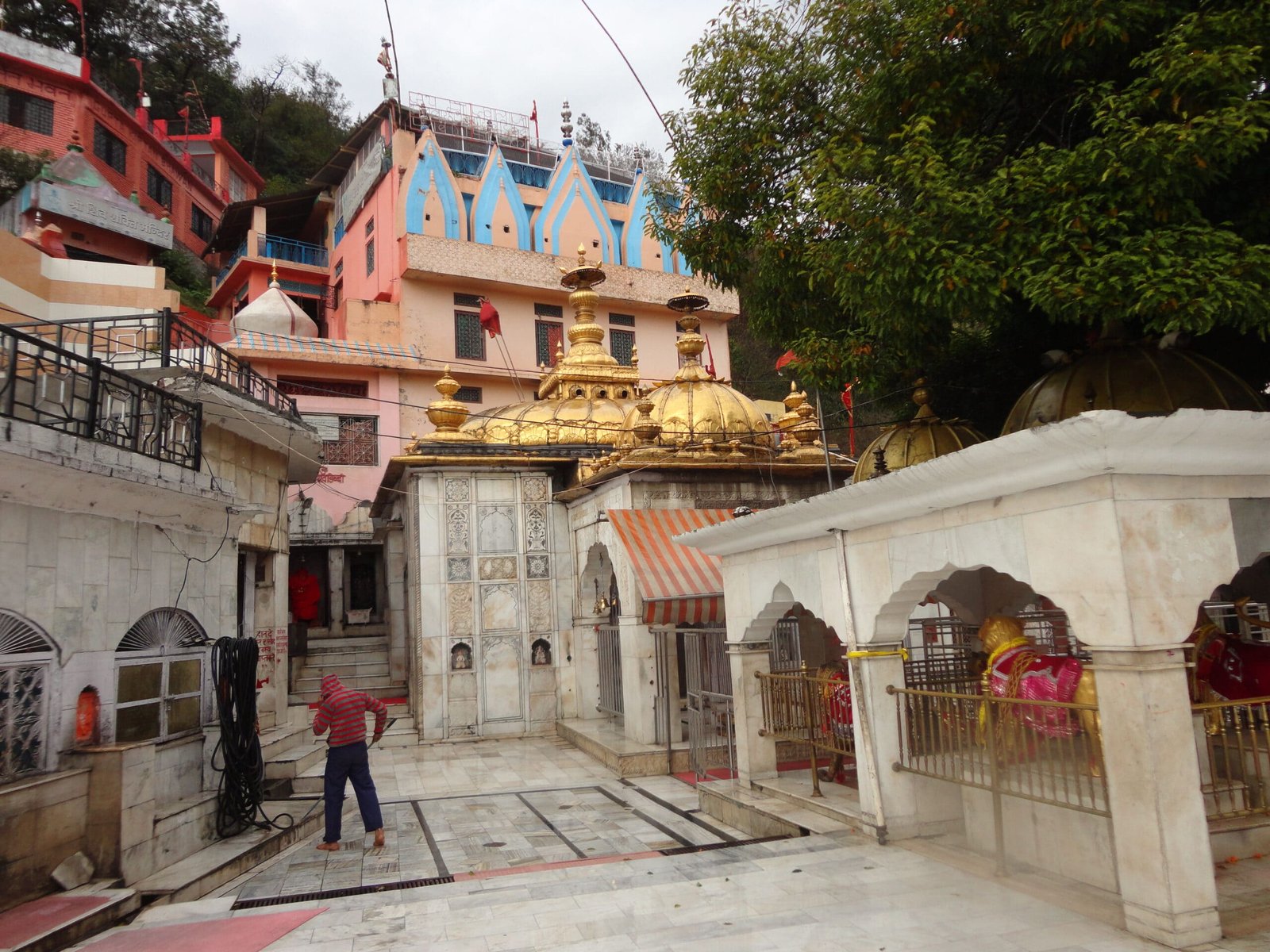
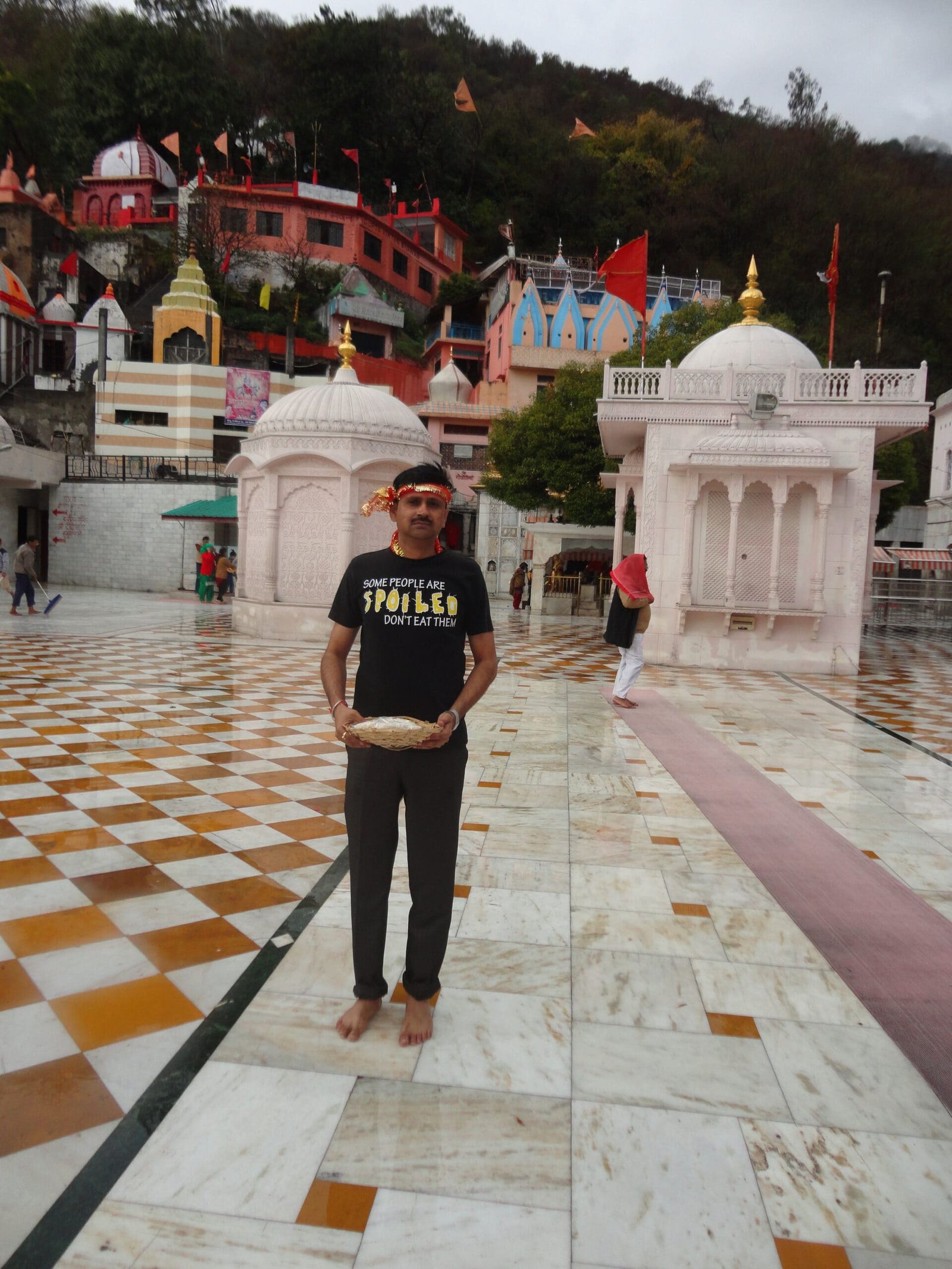
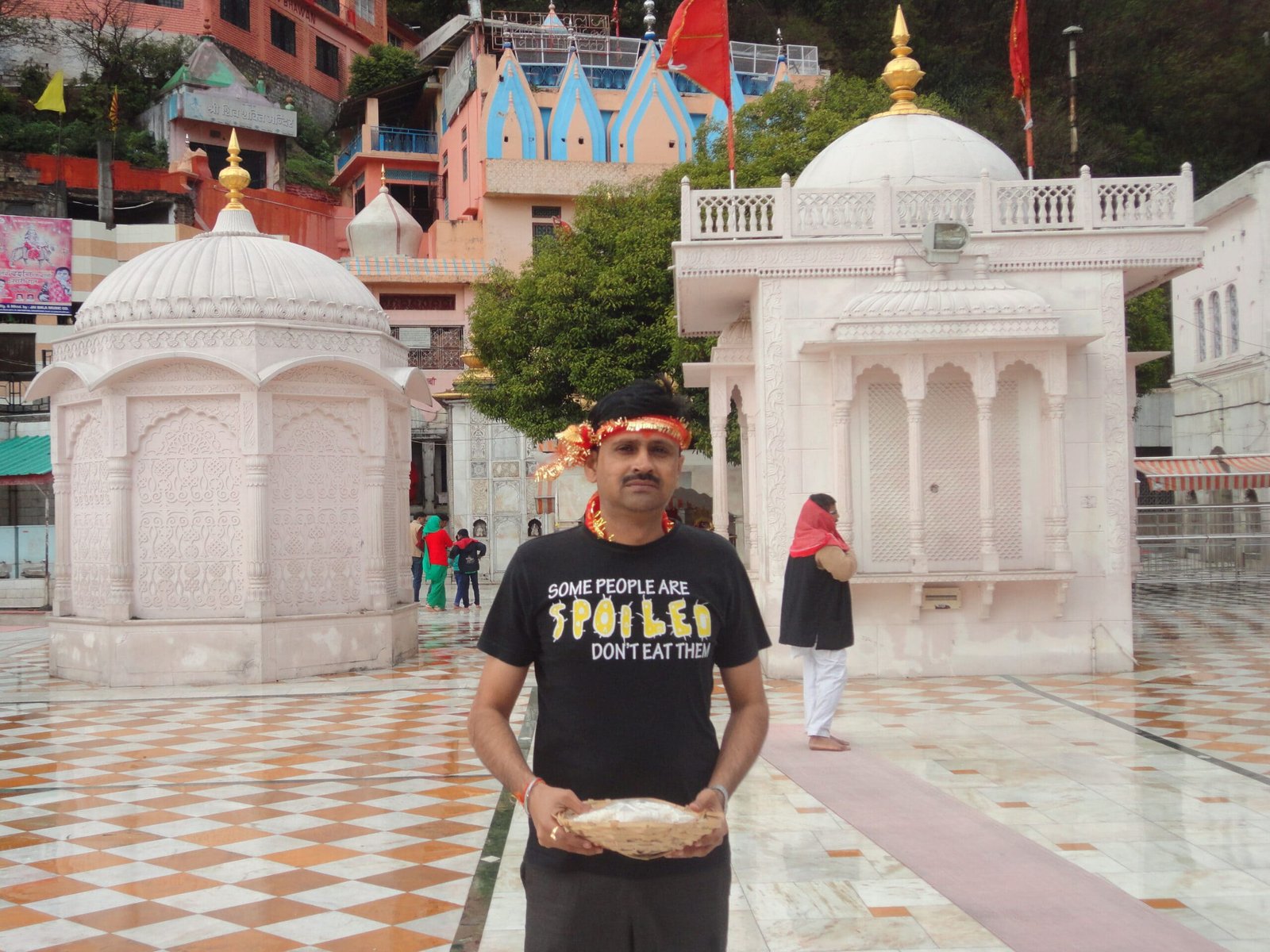
Jawala Ji or Jwala devi temple is one of the 51 Shaktipeeths of India and Jawala Ji Temple is one of the highly venerated Shakti Temples in India. It is situated in the lap of Shivalik range of Kangra valley called “Kalidhar”. This is believed to be the first ever temple built by the Pandavas. Jwala Ji is a Devi Temple Dedicated to the “GODDESS OF LIGHT”, located in Jawala Mukhi, district Kangra of Himachal Pradesh.
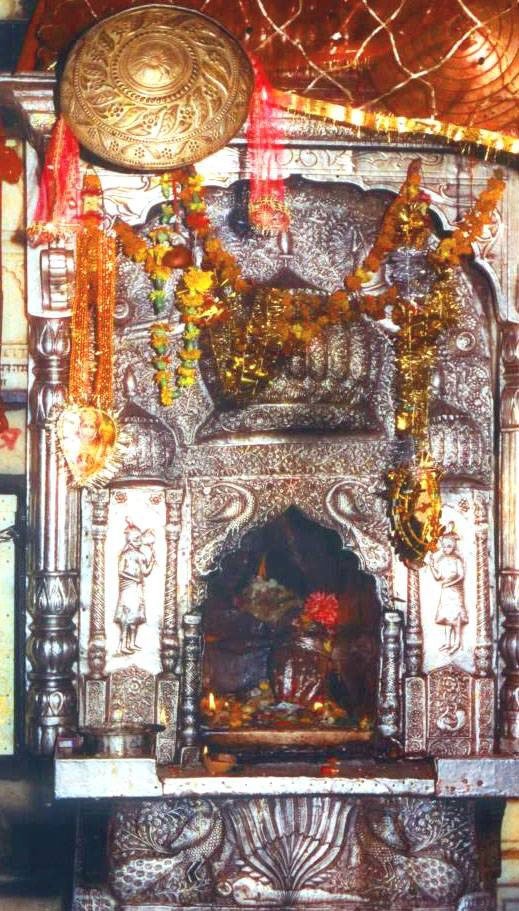
Sati’s tongue is believed to have fallen at the very place where Jwala devi Temple is now situated. The Tongue of sati is represented by Holy Flames or Jwala that is perpetually burning. Jwala devi temple as a center of faith is unparallel and unique. There is no deity or idol that is worshiped. It has the series of natural flames or Jyotis since times immemorial believed to be the symbol of Goddess. Jawala Ji is a great heritage centre for not only the people of Jawala Mukhi, Kangra or Himachal Pradesh but of the whole world. During March to April and September to October every year colourful fairs are held during the Navaratra celebration.
One of the oldest known pilgrimage destinations of Northern India, Jwala Ji Temple is around 32km South-West of Kangra and esteemed by the devoted Hindus of the country. There are several other temples dedicated to Goddess Jwala Ji, among which the one in Kangra district is believed to be the most auspicious. The temple is located in Jwalamukhi Town of Kangra. The main attraction of Jwala Ji Temple is the eternal flames representing the image of deity, Jwala Ji. The four cornered sanctum-sanctorum of the temple is set with a small dome and a square central pit where the sacred stone is found. The main flame of this temple keeps burning constantly. It is one of the 51 Shakti Peethas found in different corners of the South-East Asia. It is believed that the tongue of Goddess Sati fell on this ground. Offering coconut is a popular practice in Jwala ji Temple.
As per the legend associated with the temple, there was a cowherd who always used to find his cow without milk. One day he followed his cow till the grazing field and found that a young girl drank the cow’s milk and disappeared with the blink of an eye. Seeing this, the cowherd went to the king and described about the incident. The king tried to trace out the place with the help of the cowherd but he failed. Few years later the same cowherd informed the King about a flame burning in the mountains. This time the king could spot the flame without much fail and being blessed with the view of this mysterious flame. It is the king who built this temple of Jwala Ji.
The best-known Jwala Ji shrine is located in the town of Jawalamukhi, in the lower Himalayan area of the Kangra district, in the state of Himachal Pradesh, India. The shrine is about 56 kilometres (35 mi) kilometers from the larger town of Dharamshala.[10] The temple style is typical of Jwala Ji shrines: four-cornered, with a small dome on the top and a square central pit of hollowed stone inside where the main flame burns continuously A fair is held in the environs of the temple annually in July or August, during Navratras.
The temple had an associated library of ancient Hindu texts, many of which were translated from Sanskrit into Persian at the orders of Firuz Shah Tughlaq when the Delhi Sultanate overran the Kangra area.
According to legend, when Sati’s body was divided into 51 parts, her tongue fell in the area of Jawalamukhi and it continues to be represented by the flames (or jyotis). Along with her tongue, the flames of Sati’s yogic power also fell to the place. Some legends state that Sati’s clothes also fell here; that when they fell they were on fire and the fire has never gone out. Near this area, eternal flames continue to burn in a natural cave. Some say there are seven or nine flames for the seven divine sisters or the nine Durgas.
Besides Vaishno Devi, Jwalaji (flame) or Jwala Mukhi (flame mouth) is probably the most ancient temple mentioned by the Mahabharata and other scriptures.
Maa JwalaMukhi is the family Goddess or Kuldevi of Lakhanpals, Thakurs, Gujrals,Vasdevs, and Bhatias.
Dhyanu Bhagat or Bhakti Mein Shakti (1978), an Indian drama film, portrays the local legend of saint Dhyanu and his conflict with a Mughal emperor who is said to have visited this temple
How to Reach –
By Air : The nearest airport at Gaggal in HP is 50 km from Jwalaji. •Chandigarh Airport is about 200 Kms
By Road -If you are coming from Shimla, you can easily hire a taxi or board a bus, to cover the distance of 185 kilometers to reach Jwala Devi. If you are coming from Chandigarh, the distance that you will cover to reach Jwala Devi temple is 196 kilometers.
By Train:The nearest broad-gauged railway station is in Pathankot Junction railway station; it is 114 kilometers away from Jwala Devi. The railway station is directly connected with Delhi. You can easily get a taxi from the station to reach Jwala Devi.