

Travel - Other Places
1. Ananadpur Sahib (Punjab)
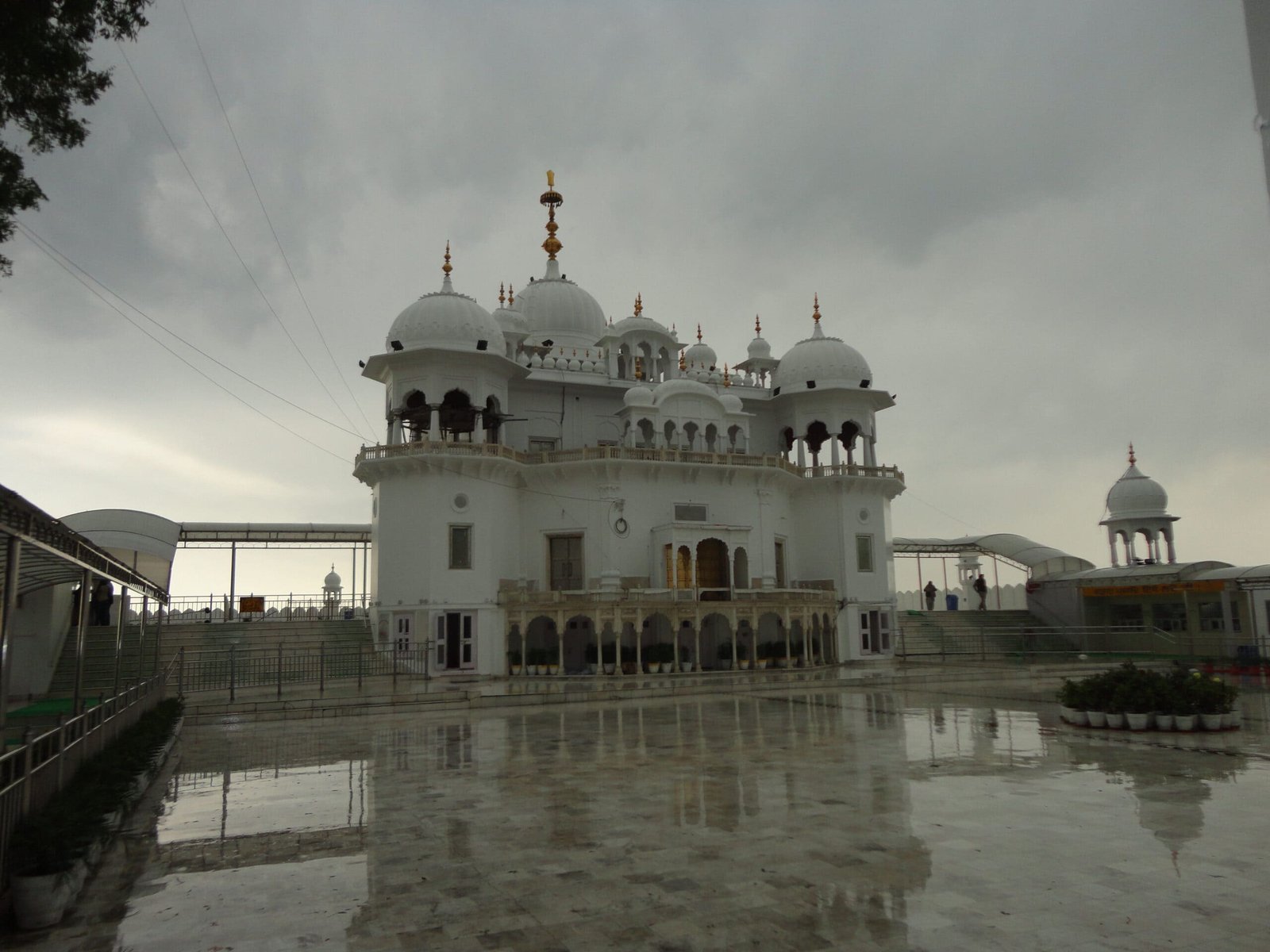
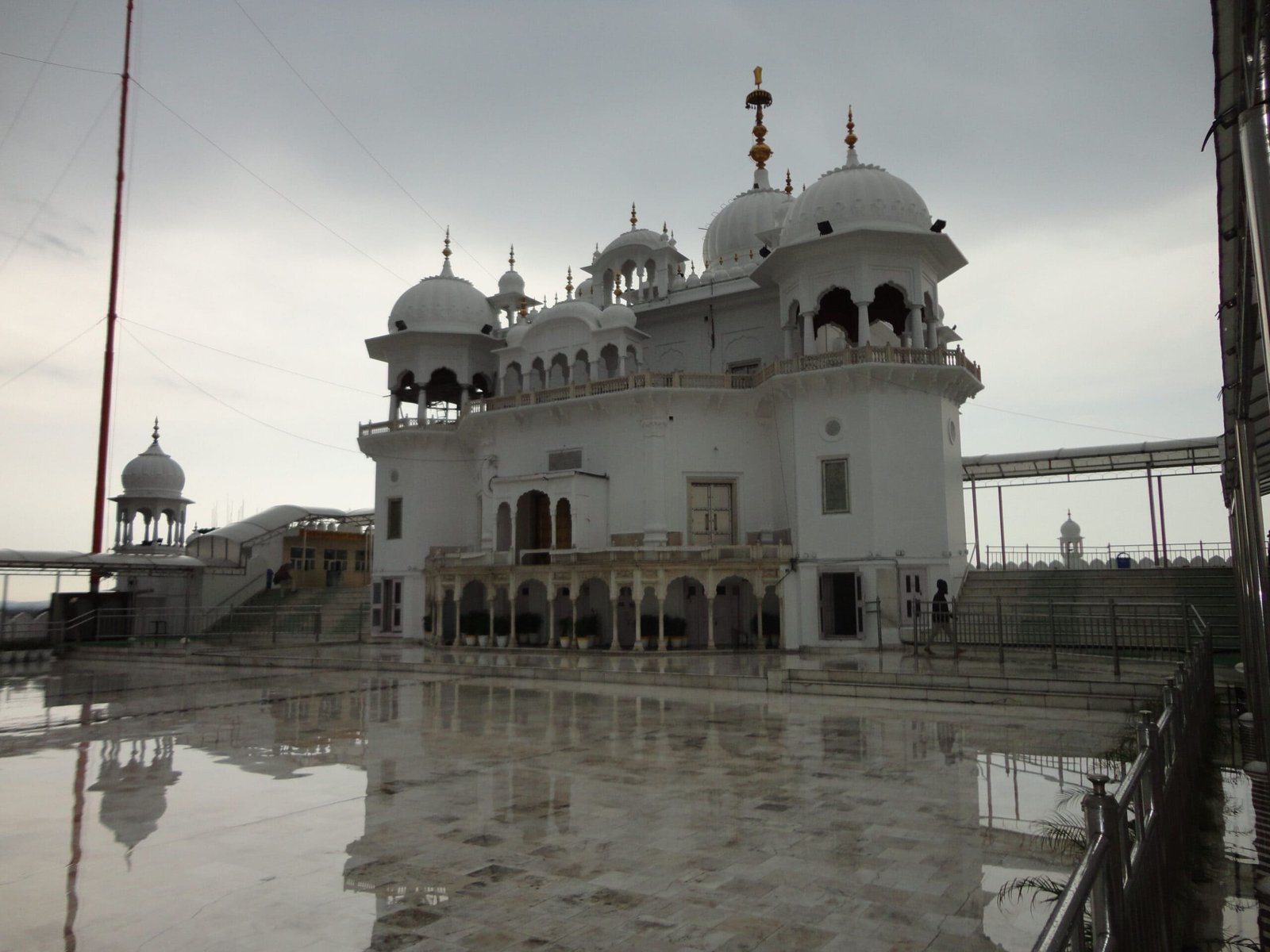
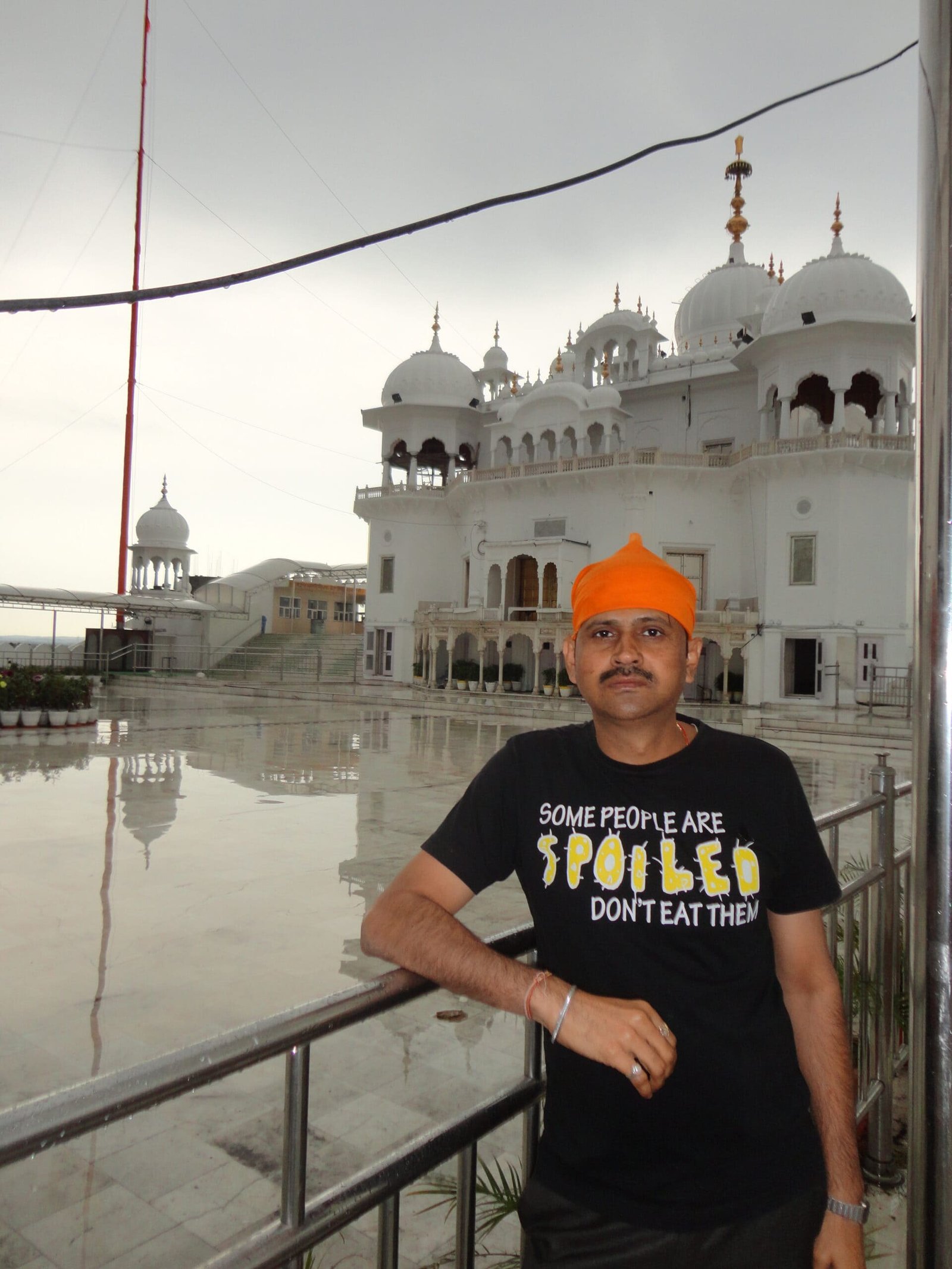
Anandpur-Sahib is located in the Rupnagar District of Punjab, close to the Pakistani border. It is one of the holiest places for Sikhs as the Khalsa Panth was founded here. The site where this sacred event took place has been commemorated by the construction of a Gurudwara.
The city of Anandpur Sahib is most famous for its multitude of Gurudwaras that were built to commemorate various Sikh Gurus. There are five forts around the town that testify to the city's military history. Today, Anandpur Sahib is one of the holiest places in the world for Sikhs, and thousands of visitors come to this city to pray and take blessings from the sacred Gurudwaras of this town. Due to a large number of visitors, the city is very tourist friendly and is well connected to other major cities in the region.
Places to Visit in Anandpur Sahib
Virasat-e-Khalsa Anandpur Sahib, Takhat Sri Kesgarh Sahib Ji, Sarovar Anandpur Sahib, Sri Guru Tegh Bahadur Sikh Museum, Jhajjar Bachauli Wildlife Sanctuary Naina Devi Temple
Best Time to Visit
Anandpur Sahib is located in the plains of northern India. The climate here is temperate through the year. Winter is the best time to visit as the temperature is cool and tourists can comfortably stroll the streets of the town. Summers are avoidable as there are hot dry winds (known as 'Loo') that make it difficult to venture outdoors.
How to Reach Anandpur Sahib
Anandpur Sahib is well-connected to most cities in North India by rail and road but does not have an airport. There are regular buses and trains to this town. Taxis are also available for hire from major cities nearby like Chandigarh, Ludhiana and Amritsar.
2. Maa Bamleshwari (Dongargarh, Rajnandgaon, Chhattisgarh)
About 2200 years ago, Dongargarh was a fairly renounced territory named Kamavati ruled by Maharaja Veersen. When his Queen gave birth to a son they named him Madansen. Since Raja Veersen considered it a blessing of Lord Shiv & Parvati, he constructed the temple of Shri Bamleshwari Mandir at Dongargarh. Now Raja Madansen had a son named Kamsen because of whom the area became famous and came to be known as Kamakhaya Nagari.
Dongargarh is a city and municipality in Rajnandgaon District in the state of Chhattisgarh, India and the site of the Bambleshwari Temple. A prominent pilgrim destination in Rajnandgaon District, the city lies about 35 kilometres west from Rajnandgaon, 67 kilometres west from Durg and 132 kilometres east from Bhandara which are situated on National Highway 6. Featuring majestic mountains and ponds, Dongargarh is derived from the words: Dongarh meaning ‘mountains’ and garh meaning ‘fort’. The Maa Bamleshwari Devi Temple, situated on a 1,600 feet high hilltop, is a popular landmark. It is of great spiritual importance and several legends are associated with this shrine too. Another prominent shrine in the vicinity is Chhoti Bamleshwari Temple. Shivji Temple and temples dedicated to Lord Hanuman are also located here. These temples are revered by lakhs of people of Chhattisgarh who flock around the shrine during the Navratris of Kavar (during Dusshera) and Chaitra (during Ram Navami). There is tradition of lighting Jyoti Kalash during Navaratris here.
The ropeway is an added attraction and is the only passenger ropeway in Chhattisgarh.. The town is known for religious Harmony and has considerable population of Buddhists, Sikhs, Christians and Jains apart from Hindus.
How to Reach:
By Air – The nearest Airport is Just 72 kms away from the city is Swami Vivekananda International Airport, Raipur, Chhattisgarh.
By Train – There are regular trains from other major cities (like New Delhi, Mumbai, Kolkata, Chennai, Banglore, Ahmedabad, Raipur etc) of the country to Rajnandgaon. Railway Station name is – Raj Nandgaon(RJN).
By Road – Rajanandgaon city is connected to the National Highway. This city is located on NH 6. It is 72 kms away from Chhattisgarh’s capital Raipur and is 212 kms away from Nagpur(Maharashtra).
3. Bhubneshwar (Odisha)
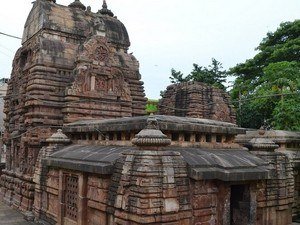
Bhubaneswar is the capital and largest city of the Indian state of Odisha. The region, especially the old town, was historically often depicted as Ekamra Khetra (area (kshetra) adorned with mango trees (ekamra)). Bhubaneswar is dubbed the “Temple City”a nickname earned because of the 700 temples which once stood thereAlthough the modern city of Bhubaneswar was formally established in 1948, the history of the areas in and around the present-day city can be traced to the 7th century BCE and earlier. It is a confluence of Hindu, Buddhist and Jain heritage and includes several Kalingan temples, many of them from 6th–13th century CE. With Puri and Konark it forms the ‘Swarna Tribhuja’ (“Golden Triangle”), one of eastern India’s most visited destinations.
Bhubaneswar replaced Cuttack as the capital on 19 August 1949, 2 years after India gained its independence from Britain. The modern city was designed by the German architect Otto Königsberger in 1946. Along with Jamshedpur and Chandigarh, it was one of modern India’s first planned cities.
Bhubaneswar stands near the ruins of Sisupalgarh, the ancient capital of the erstwhile province of Kalinga. Dhauli, near Bhubaneswar was the site of the Kalinga War (c. 262-261 BCE), in which the Mauryan emperor Ashoka invaded and annexed Kalinga. One of the most complete edicts of the Mauryan Emperor, Ashoka, dating from between 272 and 236 BCE, remains carved in rock, 8 kilometres (5.0 mi) to the southwest of the modern city. After the decline of the Mauryan empire, the area came under the rule of Mahameghavahana dynasty, whose most well-known rule is Kharavela. His Hathigumpha inscription is located at the Udayagiri and Khandagiri Caves near Bhubaneswar. The area was subsequently ruled by several dynasties, including Satavahanas, Guptas, Matharas, and Shailodbhavas.
In the 7th century, Somavamshi or Keshari dynasty established their kingdom in the area, and constructed a number of temples. After the Kesharis, the Eastern Gangas ruled Kalinga area until the 14th century CE. Their capital Kalinganagara was located in present-day Bhubaneswar City. After them, Mukunda Deva of the Bhoi dynasty – the last Hindu ruler of the area until the Marathas – developed several religious buildings in the area.[22] Most of the older temples in Bhubaneswar were built between 8th and 12th centuries, under Shaiva influence. The Ananta Vasudeva Temple is the only old temple of Vishnu in the city. In 1568, the Karrani dynasty of Afghan origin gained control of the area. During their reign, most of the temples and other structures were destroyed or disfigured.
In the 16th century, the area came under pachamani Mughal control. The Marathas, who succeeded the Mughals in the mid-18th century, encouraged pilgrimage in the region. In 1803, the area came under British colonial rule, and was part of the Bengal Presidency (until 1912), Bihar and Orissa Province (1912-1936)and Orissa Province (1936-1947). The capital of the British-ruled Orissa Province was Cuttack, which was vulnerabile to floods and suffered from space constraints. Because of this, on 30 September 1946, a proposal to move the capital to a new capital was introduced in the Legislative Assembly of the Odisha Province. After independence of India, the foundation of the new capital was laid by Prime Minister Jawaharlal Nehru on 13 April 1948.
1. Lingaraja Temple
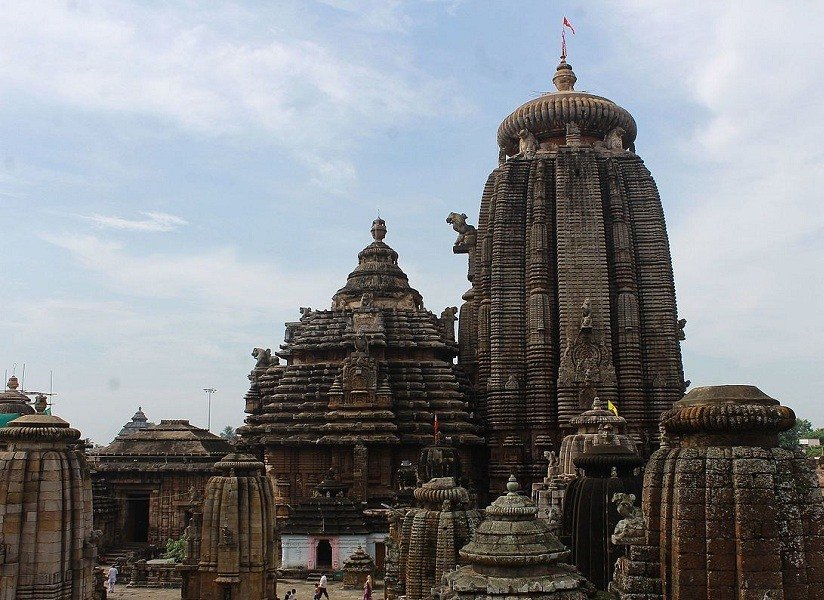
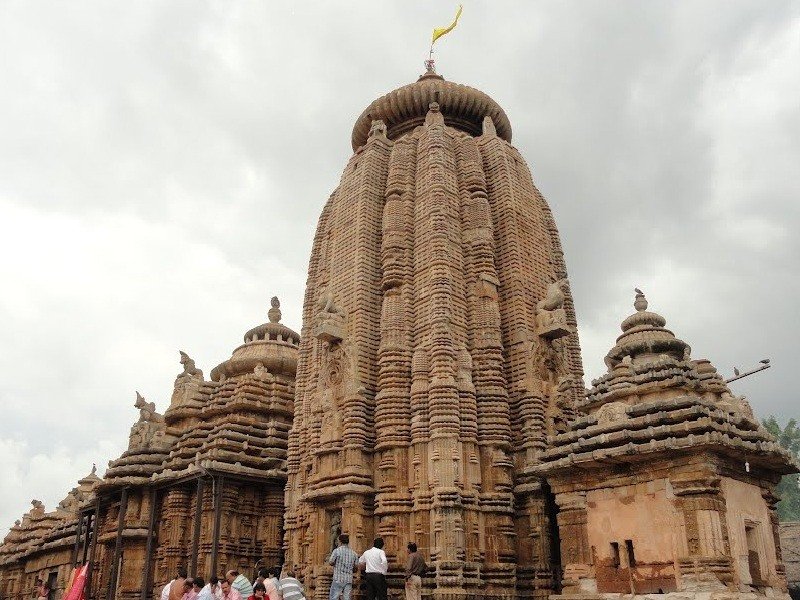
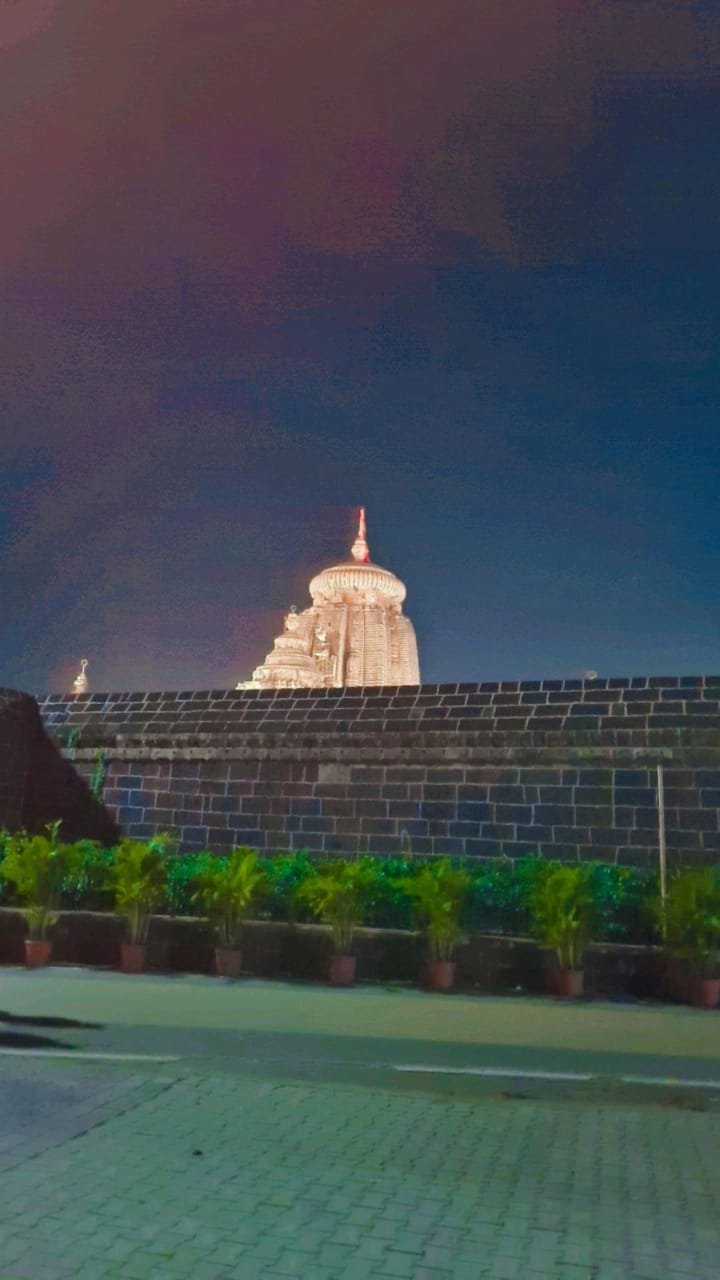
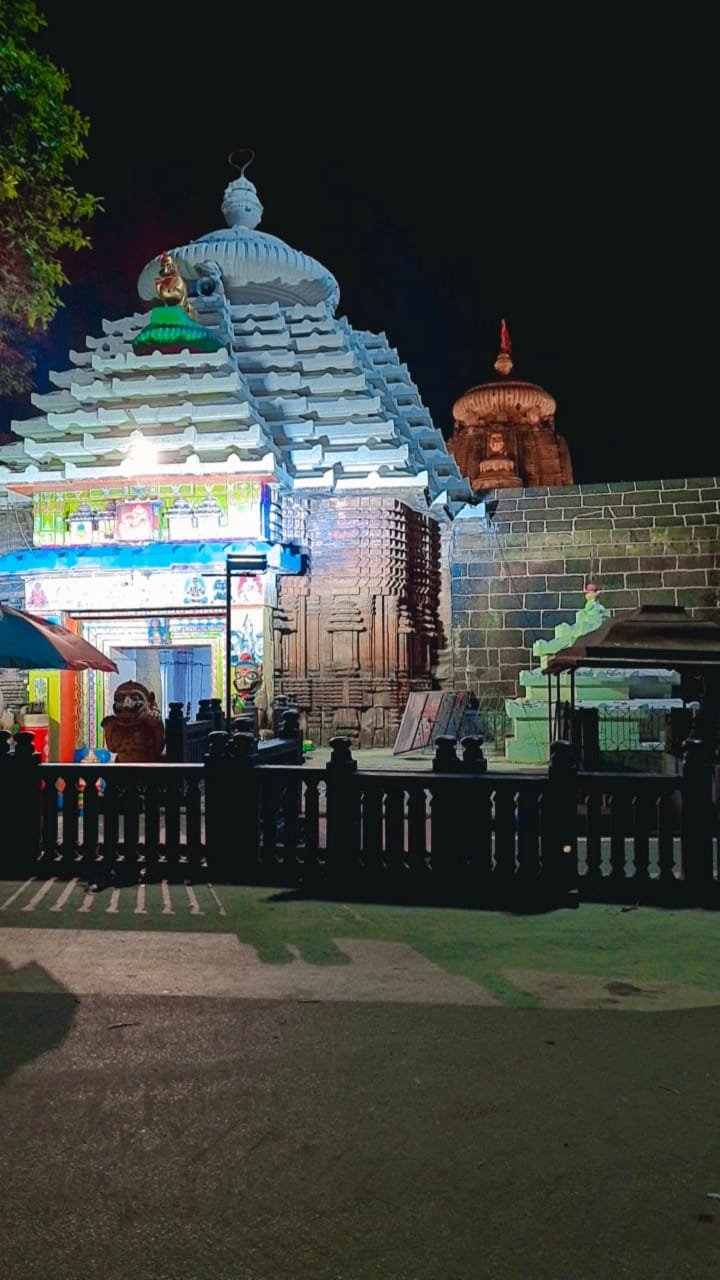
Dedicated to Harihara, a combined form of Vishnu and Shiva, Lingaraja Temple was built in 11th century CE by King Yayati Keshari of Somavanshi dynasty. He started the construction of the temple while he shifted his capital from Jaipur to Bhubaneswar. But historians believe that the temple might have been existed from 6th century CE. It is said that when the construction of Lingaraja Temple was about to complete, the Jagannath cult started growing. This belief is further empowered with the fact that Lord Vishnu and Lord Shiva are worshipped here.
According to the legend, Lord Shiva revealed to Parvati that Bhubaneshwar or Ekamra Kshetra was a resort favoured by him over Benares. In order to explore the city, she disguised herself as an ordinary cattlewoman and ventured out. While she was out exploring, she came across two demons named Kritti and Vasa, who wanted to marry her. The demons continue to pursue Parvati despite her continuous refusal. In the process of protecting herself, she destroyed the two of them. It was then that Lord Shiva descended and formed the Bindu Sagar Lake and resided there for eternity.
Built in the traditional Kalinga style of architecture, the Lingaraja Temple faces east and is built of sandstone and laterite. The temple comprises of four main components namely the vimana, the bhoga-mandapa, the natamandira and the jagamohana. The central tower of the temple is 180 feet tall. In the sanctum sanctorum, the lingam of Lord Shiva is regarded as ‘Swayambhu’ and is worshipped as both Lord Shiva and Lord Vishnu. The Shivalingam rises to a height of 8 inches above the floor level, and is 8 feet in diameter. The temple has 150 smaller shrines in its spacious courtyard and is surrounded by massive walls embellished with beautiful sculptures.
The Lingaraja Temple is one of the few ancient temples in the city which are still used for worship. The Lingaraj Temple attracts lakhs of devotees every year, especially during Shivaratri. Pilgrims from all over the country gather here to offer prayers to Lord. Chandan Yatra and Ratha Yatra are the other two important festivals celebrated at Lingaraja Temple with great pomp and fervor.
2. Brahmeswara Temple
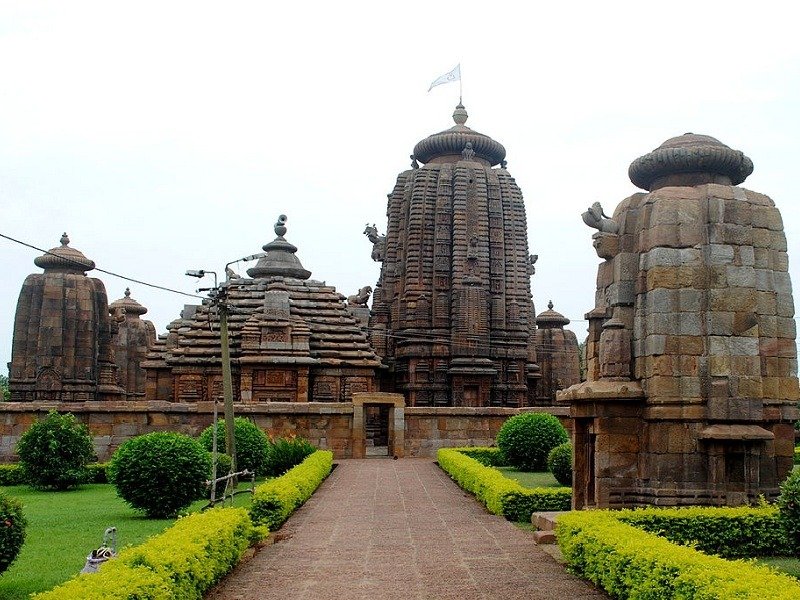
At a distance of 3 km from Lingaraja Temple, Brahmeswara Temple is a famous Hindu temple located in the temple city of Bhubaneswar. It is one of the holy places to visit in Bhubaneswar and among the best places of heritage in Orissa.
Dedicated to Lord Shiva, Brahmeswara Temple stands in a courtyard flanked by four smaller temples. The temple belongs to late 11th century according to an inscription carried to Calcutta from Bhubaneswar. The inscription indicates that the temple was built in 1058 AD by King Udyotakesari’s mother Kolavati Devi during the Somavamsi king’s 18th ruling year.
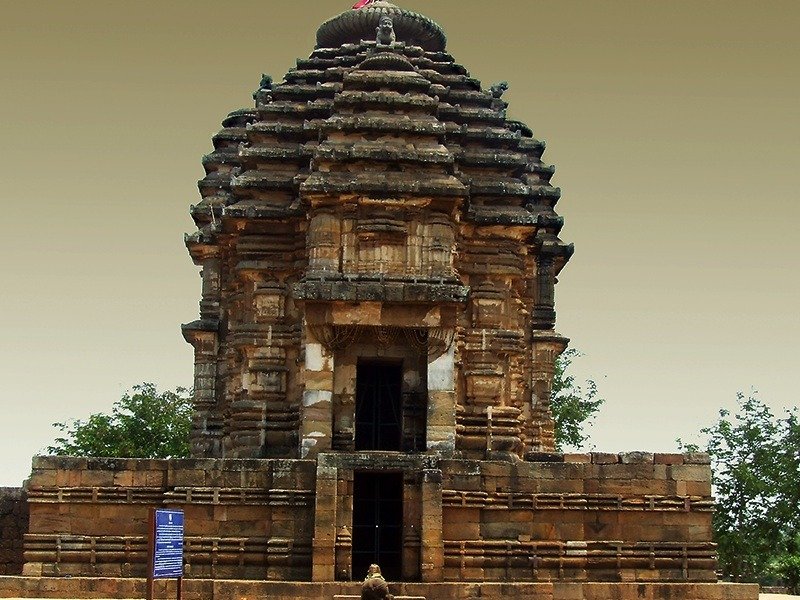
The temple is built in the traditional Kalinga architecture style by using of stones. The temple is classified as a panchatanaya temple where four subsidiary shrines situated in the four corners of the main shrine. This pyramid shape temple has two parts namely the Vimana and Jagamohana. The Vimana of the temple is around 18.96 m. It was during the construction of this temple that iron beams were used by the builders. The Jagamohana is famous for the lion head idols that were first found at the Mukteswar Temple. The sandstone walls and the wooden structures of the interior are worth mentioning.
Brahmeswara Temple is renowned for its artistic sculptures, especially for the sculptures in the tower and porch of the temple. Tantric related images are also placed inside this temple. The exterior walls of the temple are adorned with the figures of several gods and goddesses, carvings of birds, animals and some religious scenes. Exquisite of the carvings is Lord Shiva in the form of Nataraja, playing a veena above a bull and voluptuous female figures elaborately bedecked with ornaments.
3. Ananta Vasudeva Temple
Ananta Vasudeva Temple is a famous Hindu Temple located on the eastern bank of Bindu Sarovar in Bhubaneswar. Situated near Lingaraja Temple, Ananta Vasudeva Temple is one of the few aishnavite temples in Bhubaneswar and also one of the top Bhubaneswar Tourist Places.
Dating back to 13th century AD, Ananta Vasudeva Temple is the worship place of the complete idols of Lord Krishna, Lord Balarama and Goddess Subhadra. According to the legends, Lord Vishnu was worshiped at the place where Ananta Vasudeva Temple stands at present. The new temple was built in the 13th century by Queen Chandrika, the daughter of Anangabhima III, during the reign of the king Bhanudeva. The Marathas, who extended their empire up to river Mahanadi, were responsible for renovating the Vishnu Temple at Bhubaneswar in the late 17th Century.
The architecture of this temple looks like Lingaraja Temple and has Vaishnavite sculptures. It has longitudinal shikharas with beautiful carvings. The temple contains a three-chambered frontal adjunct consisting of Jagamohana, the Natamandira and the Bhogamandapa. It has longitudinal bands of miniature shrines carved with ornaments. It is positioned in a walled compound along with abundant structures. An image on the wall of the temple displays legend of Lord Vishnu who appears as Varaha avatar.
The idols found in the sanctum sanctorum of the temple have complete structure unlike the images of the Puri Jagannath Temple. Here the deities are made of black granite stone, rather than wood, as seen in the Puri temple. Balarama stands under a seven hooded serpent and Subhadra holds Jewels pot and lotus in her two hands keeping her left foot over another jewel pot, while Krishna holds a mace, chakra, lotus and a conch.
Janmastami is the most auspicious day for the Ananta Vasudeva Temple. Thousands of devotees visit the temple to worship Lord Krishna. Devotees offer sweet, butter, milk, curd, incense, new clothes and flowers to the Lord.
4. Udayagiri & Khandagiri Caves
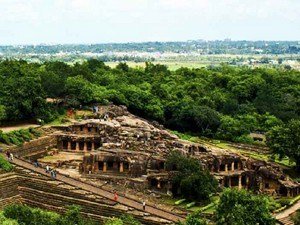
Udayagiri and Khandagiri Caves have derived their names, owing to their location on two hills, Udayagiri and Khandagiri. Mentioned as Kumari & Kumara Parvatas in Hathi Gumpha inscription, the two caves face each other across the road. These two hills represent one of the earliest groups of Jaina rock-cut architecture in eastern India in the field of architecture, art and religion. The caves of Udayagiri and Khandagiri, called Lena in the inscriptions, were dug out mostly during the reign of Kharavela for the abode of Jaina monks during 1st century BC. These caves were first brought to the notice by A. Stirling in 1825 AD.
There are total 33 rock-cut caves on both the hills out of which 18 caves are excavated on Udayagiri hill while 15 are on the Khandagiri hill. The name Udayagiri means Hill of Sunrise. The Rani Gumpha or the Queen’s Cave is the largest and the architectural marvel of the entire complex. It is a two storied monastery supported by many columns and terraces. The cave contains beautiful sculptures of dancing women, royal entourage, and musical instruments. In Udayagiri, Hathi Gumpha (Cave 14) and Ganesha Gumpha (Cave 10) are especially well known due to their sculptures and reliefs as well as due to their historical importance. Hathi Gumpha contains carved chronicles of King Kharavela’s reign – the famous Hathi Gumpha inscription.
Of the 15 Caves in Khandagiri, Ananta Gumpha (Cave 3) is the most impressive one. The cave is named after carvings of two serpents on the entrance. The carvings on the walls of the cave depict figures of women and children, athletes, lions, bulls and many other animals. The Navamuni Gumpha (Cave 7) carries sculptures depicting 9 Jain Tirthankaras while the Barabhuji Gumpha has two relief images of twelve armed Sasana Devis. There are few Tirthankara sculptures also found in this cave. Khandagiri offers a fine view of Bhubaneswar from its summit.
5. Dhauli Giri
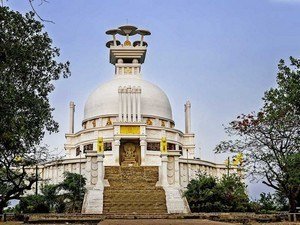
8km from Bhubaneswar. Looking down on the plains that bore witness to the gruesome war waged on Kalinga by the Mauryan emperor Ashoka, stand the rock edicts of Dhauli. It was here that King Ashoka, full of remorse after the Kalinga War in 261 BC, renounced his blood-thirsty campaign and turned to Buddhism. The edicts are a living testimony to the King’s change of heart. He urges his administrators to rule the land with justice and compassion. The edicts are so remarkable that they have been excellently preserved, despite the fact that they date back to the 3rd century BC. A sculpted elephant, the symbol of the boundless powers of Lord Buddha, tops the rock edicts. The Shanti Stupa or the peace pagoda, built through the Indo-Japanese collaboration, is located on the opposite hill.
6.Mukteshwara Temple
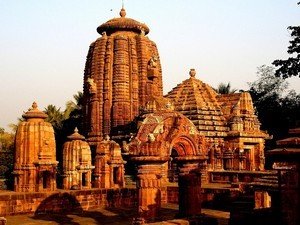
Dating back to 10th century this temple marks an important transition point between the early and the later phases of the Kalinga architecture. The highlight is the magnificent torana – the decorative gateway, an arched masterpiece, reminiscent of Buddhist influence in Odisha. This temple is considered to be the gem of Odishan architecture. The beautiful sculptures eloquently speak of the sense of proportion and perspective of the sculptor and their unique ability in the exact depiction of the minutest objects. Mukteswara means “Lord of freedom”.
7.Rajarani Temple
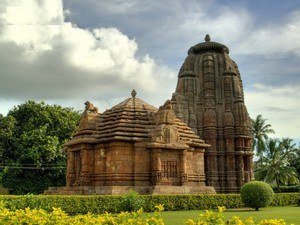
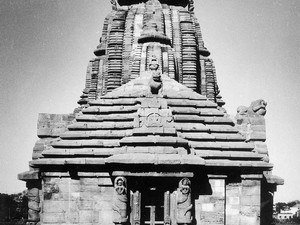
This temple got its name from a red-gold sandstone used, which is called Rajarani locally. It has no presiding deity but many intricately carved figurines in various stages of daily chores.
8. Bhaskareswara Temple
The temple was built by Gangas during 13th – 14th century CE. This temple is quite different from the other temples of Bhubaneswar in terms of its architecture. Built in the traditional architectural style of the temples of Orissa, Bhaskareswara temple is a double storied temple. The bada that is built in two tiers is a unique feature. The presiding deity of the temple is Lord Shiva worshiped as Bhaskareswara. The unique feature of the west facing temple is the 9 feet tall Shivalingam located in the sanctum sanctorum. It can be seen from both the floors. The lingam has been described in the local sacred texts as Vrihalingam. The local people believe that the idol is growing day by day.
9.Odisha State Museum
Housing a rich collection of sculptures, coins, copper plates, stone inscriptions, lithic and bronze age tools, rare manuscripts written on palm leaves, traditional and folk musical instruments. Rare epigraphic records are preserved in the Epigraphy Gallery.
10. Sri Sri Krishna Balarama Mandir
ISKCON, on NH5 (ask the autorickshaw drivers, about Rs40 from town). Non-Hindus and foreigners who desire to visit a Hindu temple can go to this temple – the devotees are friendly and there is a cheap and clean vegetarian restaurant.
11.Nandankanan Zoo
About 15km outside of Bhubaneswar (large numbers of buses ply from Acharya Vihar Square or by auto-rickshaw). The zoo has some rare species of animals and is particularly well known for white tigers. There is a nice lake inside for boating, a ropeway, also the Botanical Garden is adjacent to the zoo. Avoid visiting the park on weekends when it gets pretty crowded. Open 8 am – 5 pm. Every Monday closed.
12. Museum of Tribal Art & Artefacts, CRPF Square
The museum gives an impressive insight into the culture of the many different tribals living in and around Odisha. Tools, clothes and artwork is presented over several halls. In every area a guide of the museum will take care of you and give you extensive explanations – you really get to know something about the things you see. Anyway there is no entry fee.
13. Parashurameswar Temple
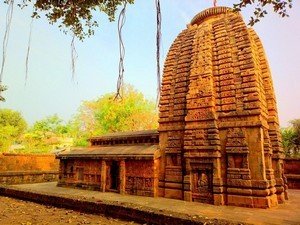
Built in 650 AD, Parashurameswar Temple is a small but marvelously decorated shrine of Lord Shiva dated to the Shailodbhava period. The temple is considered one among the Parashurameswara group of temples. The temple is an excellent specimen of the Kalinga architectural style. The temple contains a vimana and a jagamohana. The vimana is square in plan and the walls have sections called rathas or pagas. The vimana has a curvilinear tower (called bada) in the form of a pyramid composed of horizontal planes. Amalaka, a stone disk with ridges on the rim, is placed over the bada of the temple.
Though the temple is dedicated to Lord Shiva, there are images of Lord Vishnu, Surya, Indra, Yama and a group of seven mother Goddesses. The temple is the first in Bhubaneswar to contain depictions of Saptamatrikas, namely, Chamunda, Varahi, Indrani, Vaishnavi, Kaumari, Shivani and Brahmi. The spectacular identity and uniqueness of the temple is the one thousand lingams, placed in the North -West corner of the temple. The walls of the temple are adorned with verdant sculptures of animals and birds, amorous couples, floral designs, beautifully carved Hindu Gods etc.
14. Vaital Temple
The Vaital Temple is an 8th century temple of typical Khakara style of Kalinga School of architecture. This is one of the rare temples in India that was used as a shrine devoted to tantric cult. The temple is dedicated to Goddess Chamundi, the tantric form of Goddess Durga. The temple is one of the most highly revered ones among the Hindus and a large number of devotees come to offer their prayers on some auspicious occasions.
The deul or tower of the temple is the most striking feature of the temple. The semi-cylindrical shape of its roof bears an affinity to the Dravidian gopuram of the South India temples. The plan of the deul is oblong and the jagamohana is a rectangular structure, but embedded in each angle is a small subsidiary shrine. The facade of the deul above the left of the jagamohana is dominated by two chaitya windows. The lower one having a beautifully carved figure of sun god Surya noted for its facial expression, with Usha and Pratyusha shooting arrows on either side. The upper chaitya-window is adorned with a 10-armed Nataraja.
In front of the flat roofed jagamohana is a stone post relieved with two Buddha like figures seated in dharma-chakra-pravartana mudra. The temple is appreciated for its sculpture and architectures. The entrance is decorated with a four-faced linga with remarkable carvings. The outer walls are covered with panels of Hindu deities, mostly Shiva and his consort Parvati in her Shakti form, hunting processions, capturing of wild elephants and the occasional erotic couples.
15. Mohini Temple
The temple is dedicated to ten armed Chamundi Devi. The temple was built by Mohini Devi, the Queen of Bhauma King Sivakara Deva II, in 687 CE, hence the name Mohini Temple. Standing to a height of about 9.45 m, the Mohini Temple architectural feature bears a close resemblance to the Parasurameswar Temple. The sanctum sanctorum has rekha type vimana and Jagamohana is pidha type. The damaged Jagamohana has been renovated recently. The temple is tri ratha on plan and tri anga bada in elevation.
The presiding deity image is terrific and is depicted in tantric form in sunken belly, wearing garlands of skulls and standing on a corpse. In the same sanctum there is an idol of a six-armed image of Mahishasuramardini lying on the floor. In Jagamohana there are some idols such as eight armed Durga and others are found.
16. Chausath Yogini Temple
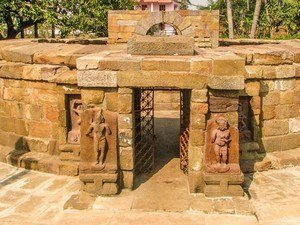
HaripurAlso known as Mahamaya Temple, the temple is believed to be built by the Queen Hiradevi of Bhauma dynasty during the 9th century. The Hirapur Temple is the smallest of the Yogini temples in India. It measures only thirty feet in diameter, and is hardly eight feet high. It is built in a circular fashion with blocks of sand stone. The Yogini traditions are tantric in nature and therefore have strong connections to rural and tribal traditions.
Adorned in red cloth and vermilion, Mahamaya is the presiding deity of the temple. The interior walls of the temple contain 60 niches, one each for the Yogini statues, two feet tall, sculpted from fine grey chlorite stone. Three yoginis adorn the central pillar or Chandi Mandap along with four Bhairavas. While three of the Bhairavas are sculpted in sitting posture, one of them is standing and is termed as Ekapada Bhairav. The Chandi Mandap by design contained a statue of Lord Shiva as dancing Nataraja, but is currently missing.
The Hirapur Yoginis are extraordinary beautiful figures with exquisite features and sensuously formed bodies. All the 64 yoginis have been depicted wearing necklaces, garlands, armlets, bangles, anklets, earrings and other ornaments. Some of the Yoginis of the temple have also been portrayed as huntresses with bows and arrows, whereas others balancing on a pair of wheels, or playing a drum. The deities of the temple are still worshipped by the locals of Hirapur.
How to Reach
By Air – Located around 6 km away from the city-centre, the Bhubaneswar Airport or Biju Patnaik International Airport connects the city with rest of the country by air. There are daily flights for Bhubaneswar from cities like New Delhi, Chennai, Mumbai, Kolkata, Hyderabad, Bangalore and Visakhapatnam. From the airport, taxi/bus services are available to reach any part of the city.
By Road – Baramunda bus stand, located around 5 km away from the city centre connects Bhubaneswar to all other major India cities by road. Regular bus services are available for the cities like Konark, Puri, Hyderabad, Raipur, Ranchi and Kolkata.
By Rail – Bhubaneswar Railway Station is the main railhead connecting the city with several Indian cities. There are regular superfast trains available from Kolkata, Mumbai, Delhi, Chennai, Hyderabad, Bangalore etc. From the station, you can take private cabs or taxis to reach anywhere in the city.
4. Maa Ghanteshwari ( Chipilima, Sambalpur, Odisha)
Ghanteshwari temple is a temple located in Chiplima which is 30 km from Sambalpur city via NH 6 in Odisha, India as of now. A bridge is constructed (called Chaurpur bridge) at Mundoghat a strategically important place between Sambalpur and Chiplima. As of December 2018, it is fully functional. It has halved the distance between Maa Ghanteswari Temple and Sambalpur. As the name suggests there are bells everywhere.[1] People offer bells to the goddess Ghanteswari or the Deity of Bells, after fulfillment of their wishes. Many pilgrims from across the state visit the temple. It is known as the ‘lighthouse without light’, built by the early sailors, for whom the bells served as warning against heavy winds. The special significance of this place lies in the great number of small bells hanging all around.
Seated in the city of Sambalpur, this temple is visited time and again by pilgrims who come and offer wish fulfilling bells to the Goddess Ghanteswari.
How to Reach – Maa Ghanteshwari Temple is situated 33 kilometres (21 mi) southwest of the district capital Sambalpur on the bank of Mahanadi River. The Chipilima Hydro Powerplant (CHEP) is located near the temple on the same river bank.
5. Maa Hingula (Angul /Talcher, Odisha)
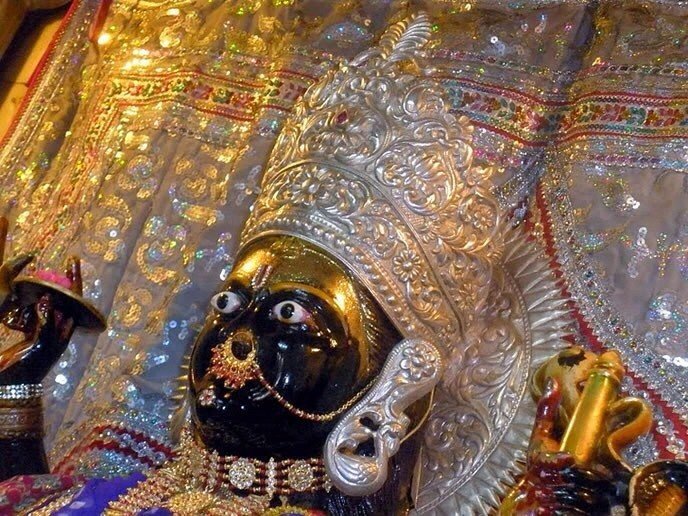
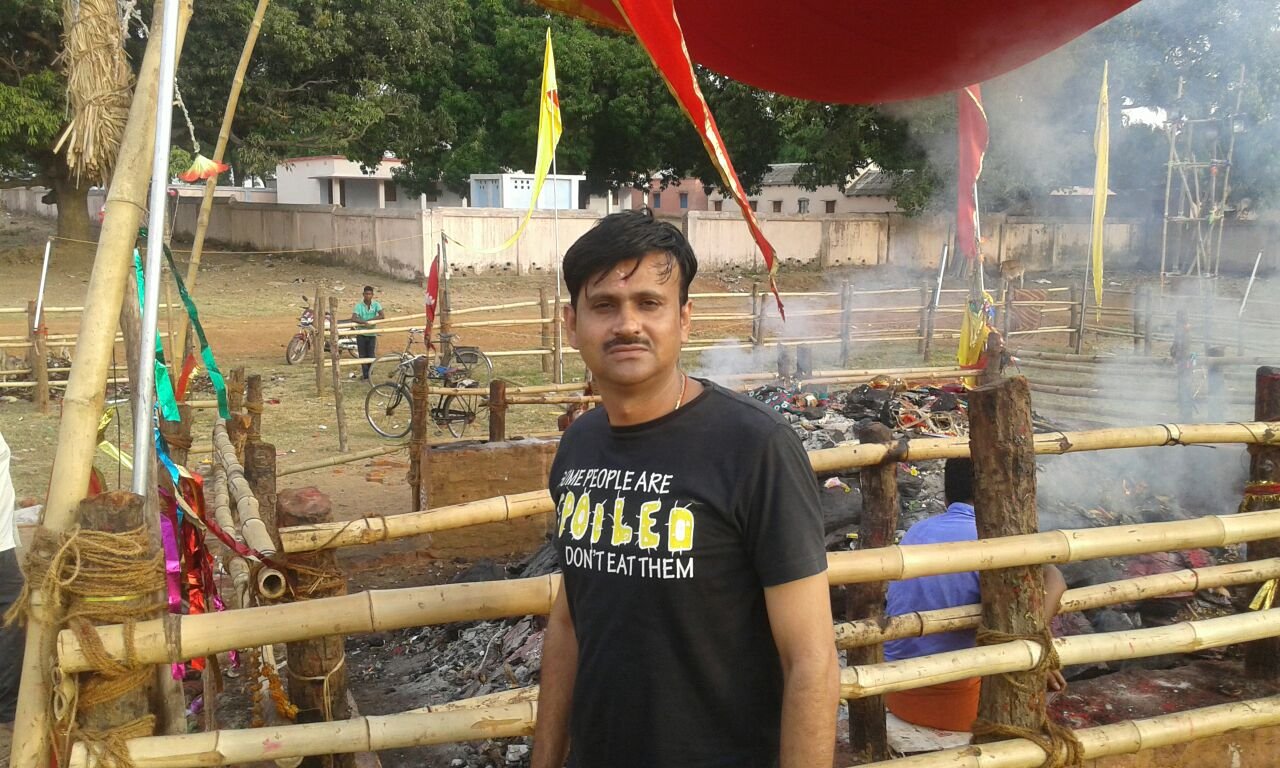
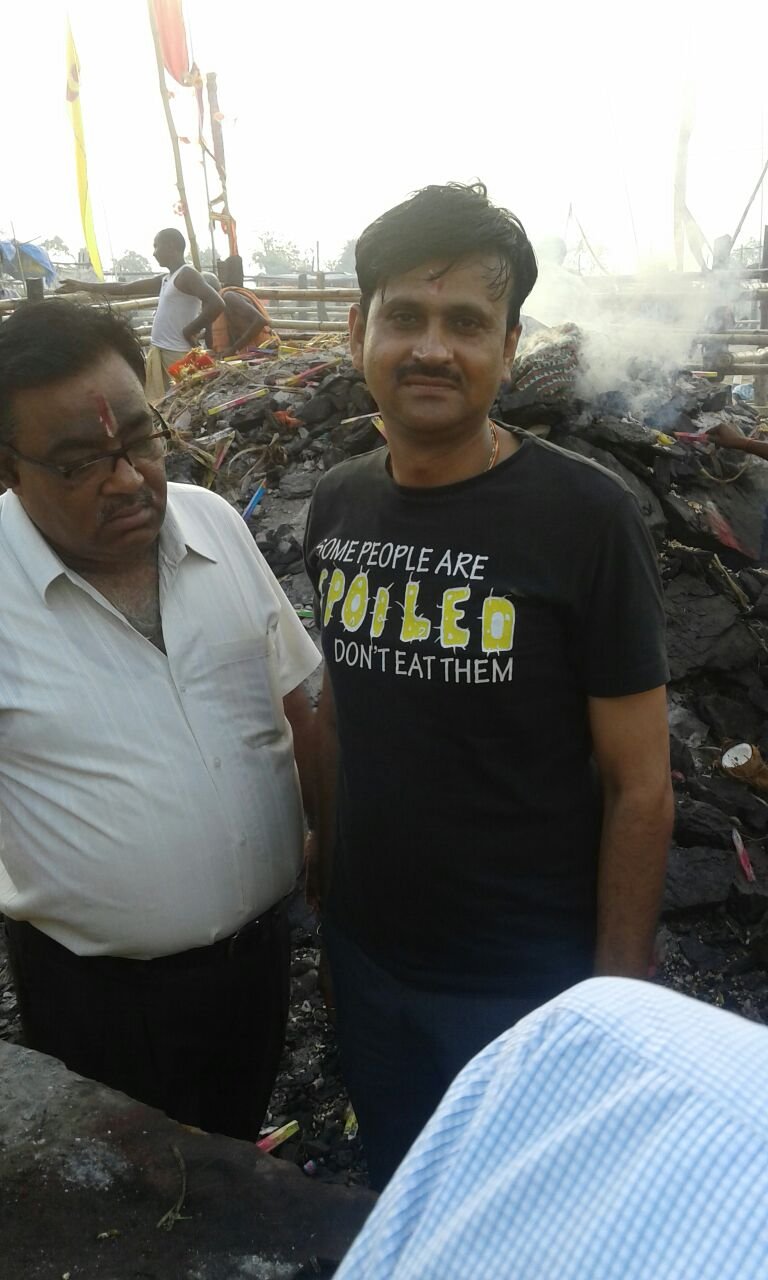
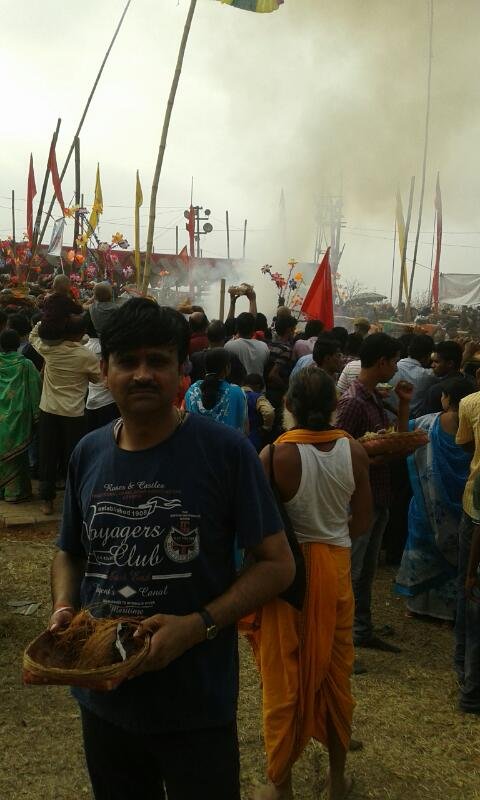
Mother Hingula is worshiped as agni (fire) in the kitchen of Lord Jagannath at Shree Mandir Puri. Goddess Hingula is worshiped at a distance of 14 from Talcher. It is believed that one can achieve his desired object if they worship or meditates on Goddess Hingula. It is also believe that cooking foods become delicious through the blessings of the Goddess. The tribal Kandha Goddess Hingula is worshiped as an integrated Goddess of the Aryans and the Non-Aryans through the process of historical evolution. Since the Goddess is still worshiped by Sabari versus the palm leaf manuscript which is being worshiped here needs further research, which may reveal important socio cultural factors of the ancient tribal life. It is described in the Mahabharata that Goddess Hingula was worshiped by King Nala of Suryavanshi. It is by her grace that king Nala was able to prepare Gouri-Sauri Paka . Thus the name of Goddess Hingula is associated with cooking with perfection. The earlier practice of animal sacrifice is no more. Now only vegetable and sweets are offered as Bhog. Hingula represents fire and every year appears in the form of flame at different places. The goddess is being worshipped in two sites, one in the Hinglaj Mata Temple and the other on a raised platform with a big applique atop tied to four wooden poles around. The platform is fenced off. On the platform, a heap of coal is set on fire. The fire stands for the goddess. The devotees after having done their Darshan of Goddess Hingula in her temple (Hinglaj Mata Temple), return to worship her at the fireplace. The offerings are thrown into the flames. In the nearby site, thousands of kids sit in tandem and a handful of barbers shave their heads.
Hinglaj Mata Temple History
- Once Dakhya, the father-in-law of Lord Shiva was organizing a ceremony of sacrifice (Yagnya). He had invited many gods, goddesses, kings of repute, saints and seers to attend the ceremony. However, he did not care to invite his daughter Parvati (Sati) and son-in-law Siva. Knowing about celebration of Yagnya, she pleaded with Siva to go to her paternal home. Siva however denied on the ground that she has not been invited.
- Though her husband denied, Parvati attended the ceremony. At the ceremony site, she was laughed at, for having married to a nude man, living in graveyard. Parvati being unable to bear humiliation of her revered husband, threw herself in the flames of the Jagnya and killed herself.
- When Siva got this news, raged in anger he dashed off Prajapati’s palace. He recovered the half burnt body of Parvati from the fire and was about to kill everybody there and destroy the whole creation. Lord Vishnu came to the place and saw that the dead body of Parvati was fueling the anger of Siva and ordered his Chakra to destroy the body.
- The weapon cut the body into 51 pieces. Wherever each piece fell down, there Mother Goddess appeared in one name or the other. Goddess Hingula is one of the 51 forms of the Goddess.This is the origin of Goddess Hingula at Talcher.
- A piece identified as Brahmandreya fell at Baluchistan of present Pakistan where shakti appeared in burning fire state. In course of time Nala Raja of Vidarbha region of western India has became the devotee Of Maa, who resided in his kingdom. In Puri When Raja decide to start ‘anna prasad’ Lord Jagannath responding to his prayer asked him to bring Hingula to manage his kitchen.
- Accordingly, Puri Raja went to Vidarbha and requested him to pray Maa to come to Puri. Nala Raja on the request of Puri Raja brought the Goddess on his wrapper in form of fire and in course of his journey reached at Gopalgarh where he took rest.
Hingula Yatra:
There is a popular belief among the local people that on this day of Visuba Sankranti Goddess Hingula appears and propitiation to her removes all evil forces. She is worshipped in the village street on her imaginary stride to the village. Offering to her includes spitted new cloth, Pana(sweet-water), butter lamp and green mangoes. Those who observe fasting, especially women are called ‘Osati’. Prior to the day of worship, the fasting worshippers (mostly men) move from village to village with the sacred-pitcher symbolising the Goddess. Their religious procession is always accompanied by singing and dancing. These worshippers are called Patuas. The man who dances with the holy-pitcher on his head wears a black skirt, a red blouse and a long piece of black cloth tightly covering the head and having equal length on both sides to flow. Those who walk on fire are known as Nian Patua and those on thorns are called Kanta Patua. Some worshippers stand on edged swords and are carried on open palanquins. They are caned Khanda Patua. Some of them show some feats in deep water. They are called Pani Patuas. Especially all these festivals are celebrated a Shiva or Shakti Shrine
How to Reach
- By Air: Biju Pattanaik Airport at Bhubaneswar is the nearest airport to Hinglaj Mata Temple. This airport is well connected to Delhi, Kolkata, Mumbai, Vishakhapatnam, Raipur, Chennai and Hyderabad. Talcher is 154 km Away from Bhubaneswar (Via Banarpal).
- By Rail: There is no direct train network to Maa Hingula’s Temple but one can reach up to Talcher (TLHR), Talcher Road(TLHD) and Angul(ANGL) station. Bhubaneswar, Puri, Angul, Talcher and Sambalpur are the major rail heads for the state.
By Road: The National Highways 23, 42, 55 and 200 pass through the state Odisha which are connected with Angul and Talcher, the two nearest places to Gopal Prasad. Regular Bus services are available to Angul and Talcher from major cities of Odisha throughout the day. Talcher is 60 km away from Dhenkanal, 154 km Away from Bhubaneswar (Via Banarpal), 182 km from sambalpur, and 200kms from Rourkela.
6. Jagannath Temple (Puri, Odisha)
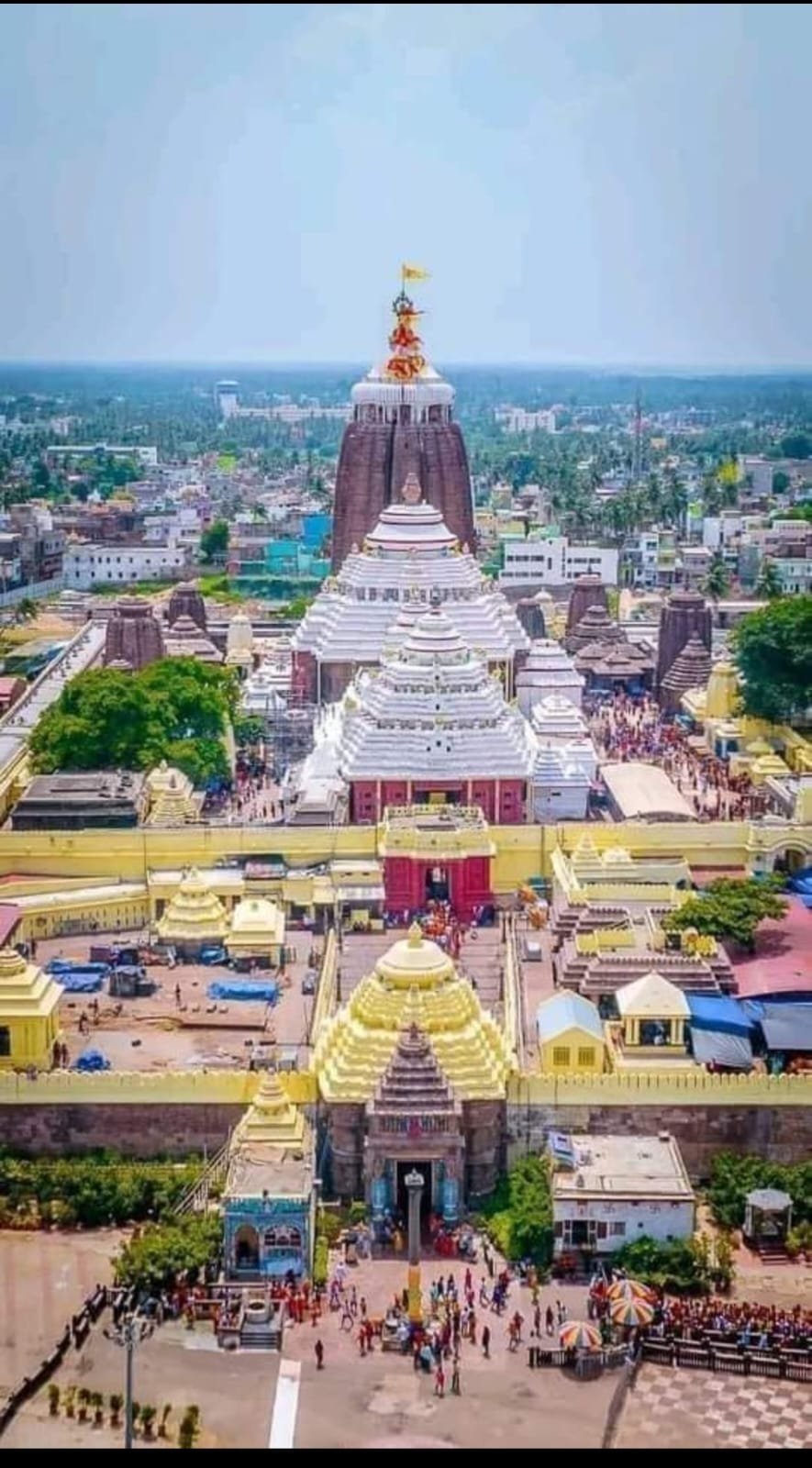
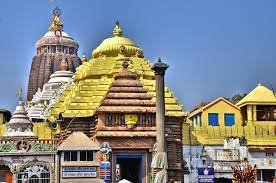
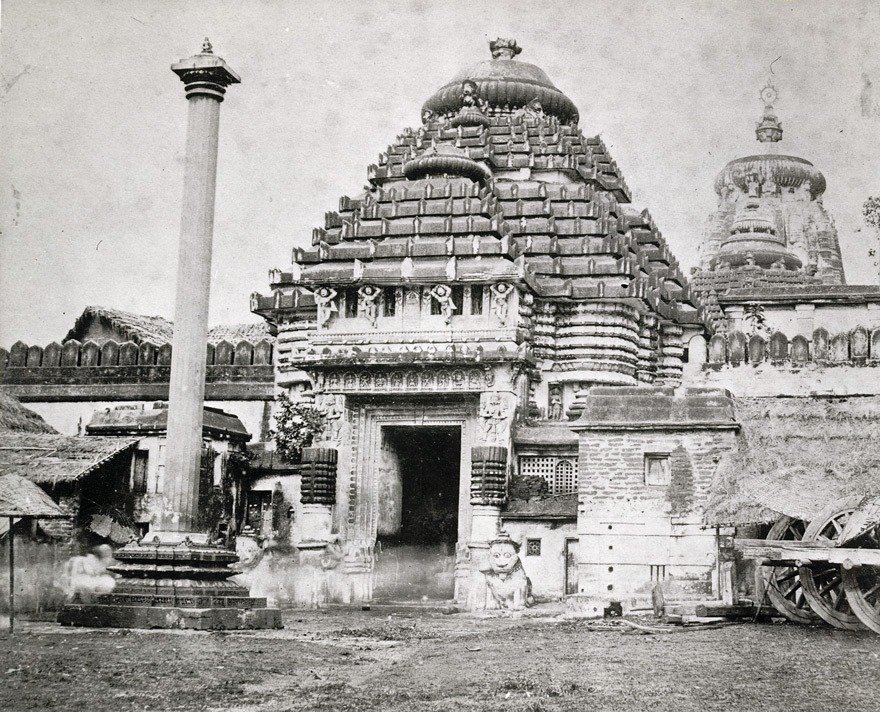
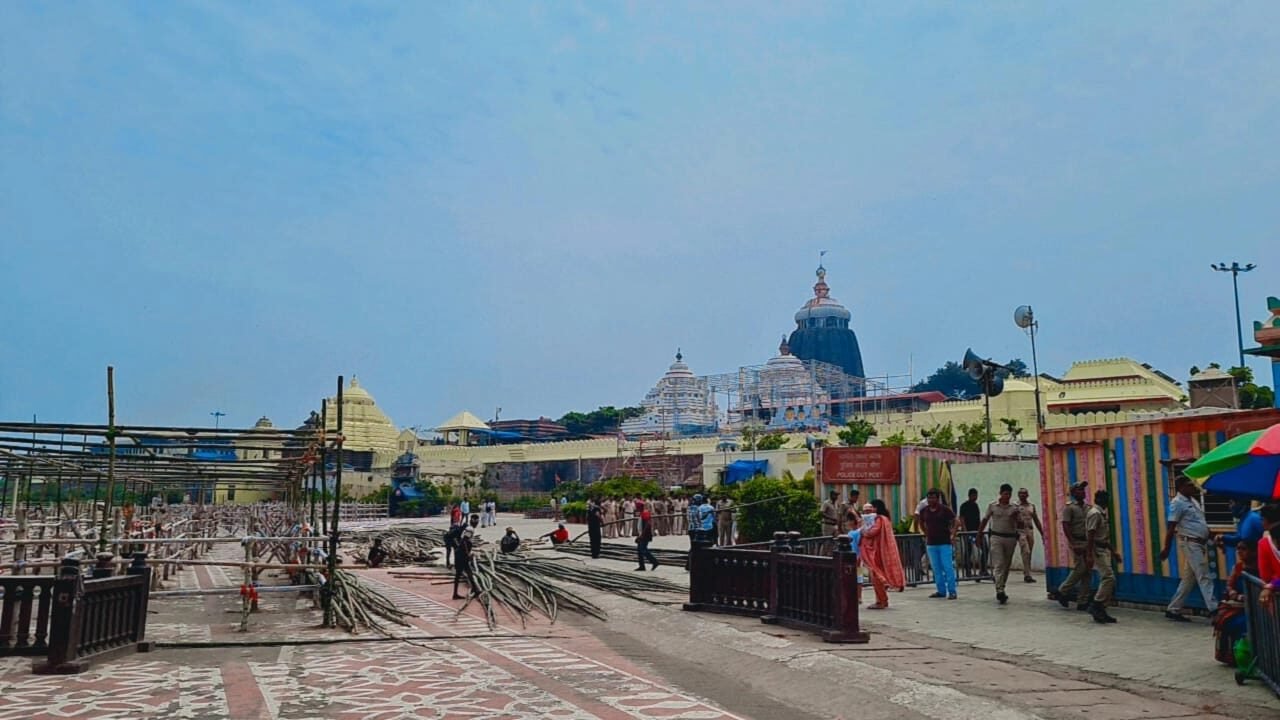
Odisha is known as the land of Lord Jagannath (literally meaning the Lord of the Universe). The Jagannath Temple is an important Hindu temple dedicated to Jagannath, a form of Krishna, in Puri in the state of Odisha on the eastern coast of India. The temple was built by the Ganga dynasty king Anantavarman Chodaganga in the 12th century CE, as suggested by the Kendupatna copper-plate inscription of his descendant Narasimhadeva II.[7] Anantavarman was originally a Shaivite, and became a Vaishnavite sometime after he conquered the Utkala region (in which the temple is located) in 1112 CE. A 1134–1135 CE inscription records his donation to the temple. Therefore, the temple construction must have started sometime after 1112 CE.
According to a story in the temple chronicles, it was founded by Anangabhima-deva II: different chronicles variously mention the year of construction as 1196, 1197, 1205, 1216, or 1226. This suggests that the temple’s construction was completed or that the temple was renovated during the reign of Anantavarman’s son Anangabhima. The temple complex was further developed during the reigns of the subsequent kings, including those of the Ganga dynasty and the Suryvamshi (Gajapati) dynasty. Pilgrims flocking the temple town of Puri from all corners of the world throughout the year.
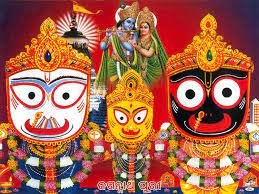
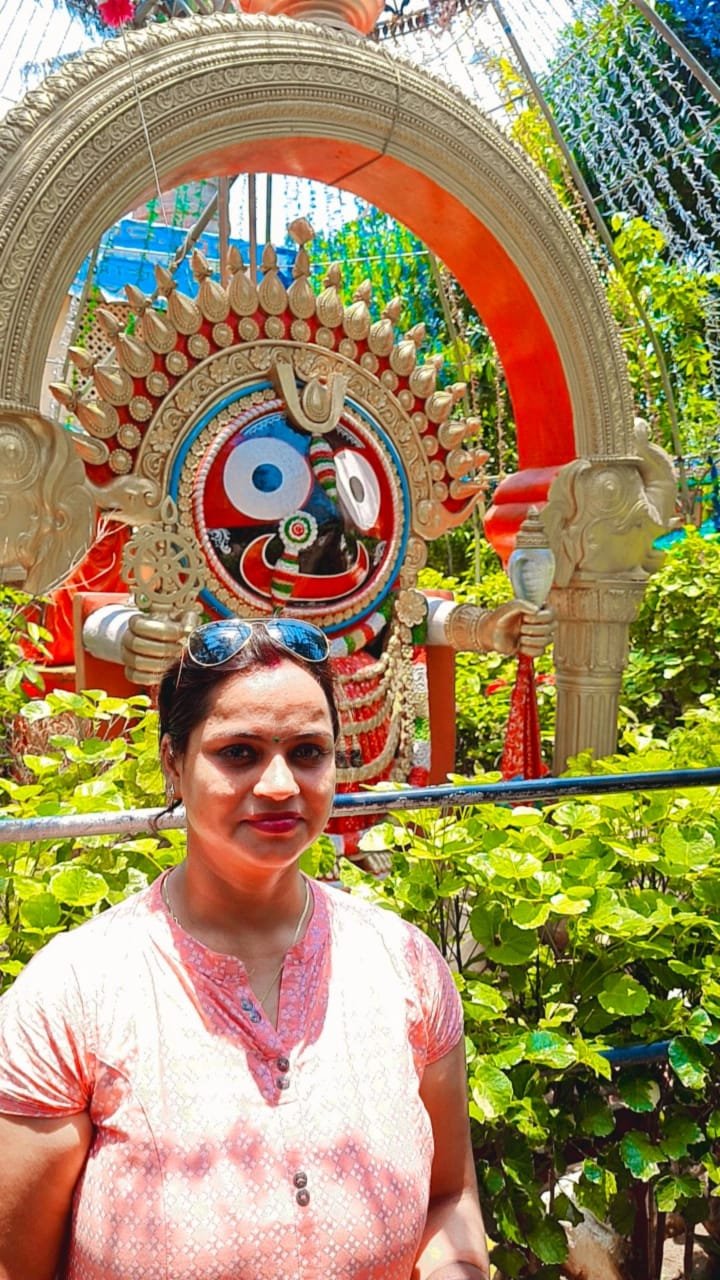
Jagannath, Balabhadra and Subhadra are a trio of deities worshipped at the temple. The inner sanctum of the temple contains statues of these three Gods carved from sacred neem logs known as daru sitting on the bejewelled platform or ratnabedi, along with statues of Sudarshana Chakra, Madanmohan, Sridevi and Vishwadhatri.]The deities are adorned with different clothing and jewels according to the season. Worship of these deities pre-dates the building of the temple and may have originated in an ancient tribal shrine.
According to legend, the construction of the first Jagannath temple was commissioned by King Indradyumna, son of Bharata and Sunanda, and a Malava king, mentioned in the Mahabharata and the Puranas.
The legendary account as found in the Skanda-Purana, Brahma Purana and other Puranas and later Odia works state that Lord Jagannath was originally worshipped as Lord Neela Madhaba by a Savar king (tribal chief) named Viswavasu. Having heard about the deity, King Indradyumna sent a Brahmin priest, Vidyapati to locate the deity, who was worshipped secretly in a dense forest by Viswavasu. Vidyapati tried his best but could not locate the place. But at last he managed to marry Viswavasu’s daughter Lalita. At repeated request of Vidyapti, Viswavasu took his son-in-law blind folded to a cave where Lord Neela Madhaba was worshipped.
Vidyapati was very intelligent. He dropped mustard seeds on the ground on the way. The seeds germinated after a few days, which enabled him to find out the cave later on. On hearing from him, King Indradyumna proceeded immediately to Odra desha (Odisha) on a pilgrimage to see and worship the Deity. But the deity had disappeared. The king was disappointed. The Deity was hidden in sand. The king was determined not to return without having a darshan of the deity and observed fast unto death at Mount Neela, Then a celestial voice cried Thou shalt see him. Afterward, the king performed a horse sacrifice and built a magnificent temple for Vishnu. Narasimha Murti brought by Narada was installed in the temple. During sleep, the king had a vision of Lord Jagannath. Also an astral voice directed him to receive the fragrant tree on the seashore and make idols out of it. Accordingly, the king got the image of Lord Jagannath, Balabhadra, Subhadra and Chakra Sudarshan made out of the wood of the divine tree and installed them in the temple.
King Indradyumna put up for Jagannath the tallest monument of the world. It was 1,000 cubits high. He invited Lord Brahma, the cosmic creator, consecrate the temple and the images. Brahma came all the way from Heaven for this purpose. Seeing the temple, he was immensely pleased with him. Brahma asked Indradyumna as to in what way can he (Brahma) fulfill the king’s desire, since was very much pleased with him for his having put the most beautiful Temple for Lord Vishnu. With folded hands, Indradyumna said, “My Lord if you are really pleased with me, kindly bless me with one thing, and it is that I should be issueless and that I should be the last member of my family.” In case anybody left alive after him, he would only take pride as the owner of the temple and would not work for the society.
Legend surrounding the Temple origin
The traditional story concerning the origins of the Lord Jagannath temple is that here the original image of Jagannath (a deity form of Vishnu) at the end of Dvapara yuga manifested near a banyan tree, near seashore in the form of an Indranila mani or the Blue Jewel. It was so dazzling that it could grant instant moksha, so the God Dharma or Yama wanted to hide it in the earth and was successful. In Kali Yuga King Indradyumna of Malwa wanted to find that mysterious image and to do so he performed harsh penance to obtain his goal. Vishnu then instructed him to go to the Puri seashore and find a floating log to make an image from its trunk.
The King found the log of wood. He did a yajna from which God Yajna Nrisimha appeared and instructed that Narayana should be made as fourfold expansion, i.e. Paramatma as Vasudeva, his Vyuha as Samkarshana, Yogamaya as Subhadra, and his Vibhava as Sudarsana. Vishwakarma appeared in the form of an artisan and prepared images of Jagannath, Balabhadra and Subhadra from the tree.
When this log, radiant with light was seen floating in the sea, Narada told the king to make three idols out of it and place them in a pavilion. Indradyumna got Visvakarma, the architect of Gods, to build a magnificent temple to house the idols, and Vishnu himself appeared in the guise of a carpenter to make the idols on condition that he was to be left undisturbed until he finished the work.
But just after two weeks, the Queen became very anxious. She took the carpenter to be dead as no sound came from the temple. Therefore, she requested the king to open the door. Thus, they went to see Vishnu at work at which the latter abandoned his work leaving the idols unfinished. The idol was devoid of any hands. But a divine voice told Indradyumana to install them in the temple. It has also been widely believed that in spite of the idol being without hands, it can watch over the world and be its lord.
All of the renowned acharyas including Madhvacharya have been known to visit this kshetra. Adi Shankara established his Govardhana matha here. There is also evidence that Guru Nanak, Kabir, Tulsidas, Ramanujacharya, Srimanta Sankardev,and Nimbarkacharya had visited this place. Sri Chaitanya Mahaprabhu of Gaudiya Vaishnavism stayed here for 24 years, establishing that the love of God can be spread by chanting the Hare Krishna mantra. Srimad Vallabhacharya Mahaprabhu visited Jagannath Puri and performed a 7-day recitation of Srimad Bhagvat. His sitting place is still famous as his “baithakji”, roughly literally translating to his seat. It confirms his visit to Puri.
A famous incident took place when JagadGuru Acharya Srimad Vallabhacharya Mahaprabhu visited. There was a Shastrartha being held between the Brahmins before the king himself and 4 questions were asked. Who is the highest of Gods, What is the highest of mantras, What is the highest scripture and What is the highest service. The discourse went on for many days with many schools of thought. Very young teen Vallabhacharyaji Mahaprabhu also joined the debated and answered all the questions at once. His answers were accepted and appreciated by all except few opposition scholars, they challenged the answers. The debate then resumed for a long period.
Finally, Shri Vallabhacharya said to ask Lord Jagannath to confirm Shri Vallabh’s answers. It was mutually decided between all scholars and king that whatever Lord Jagannath would write, it would be considered as the final and correct answer.
A pen, inkpot and the paper were left alone in the inner sanctum before the deity to write the answers. After some time, the doors were opened and 4 answers were found to be written.
1) The Son of Devaki (Krishna) is the God of Gods
2) His name is the highest of mantras
3) Highest of all scriptures is Devki Putra’s Bhagavat Geeta
4) Service to Him is the Highest service.The king along with all other scholars were shocked and declared Shri Vallabh the winner of the discourse.
Some of the pandits who participated became jealous of young Shri Vallabh and wanted to test Him. The next day was Ekadashi, a fasting day where one must fast from grains. The pandits gave Shri Vallabh rice Prasad of Shri Jagannathji (The temple is famous for this). If Shri Vallabh ate it, He would break His vow of fasting but if He did not take it, He would disrespect Lord Jagannath. Shri Vallabh with all honor and respect accepted the prasad in his hand. He stood there in the temple, spent the rest of the day and night explaining shlokas of the greatness of Prasad and ate the rice the next morning after sunrise.
The Sikh Aarti Gagan mai thaal was recited by first guru, Guru Nanak in 1506 or 1508 during his journey (called “udaasi”) to east India, at the revered Jagannath Temple, Puri. This arti is sung (not performed with platter and lamps etc.) daily after recitation of Rehraas Sahib and Ardās at the Harmandir Sahib, Amritsar and at most Gurudwara sahibs.
Gupta Vrindavan, Puri
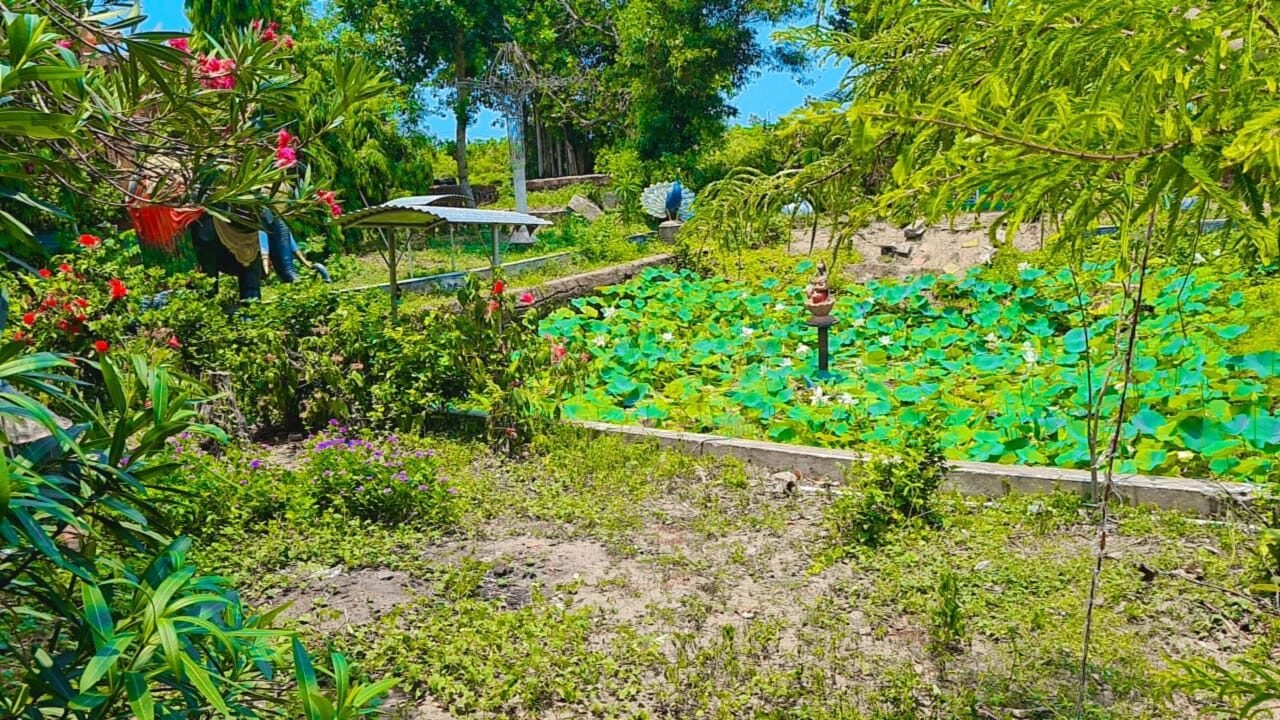
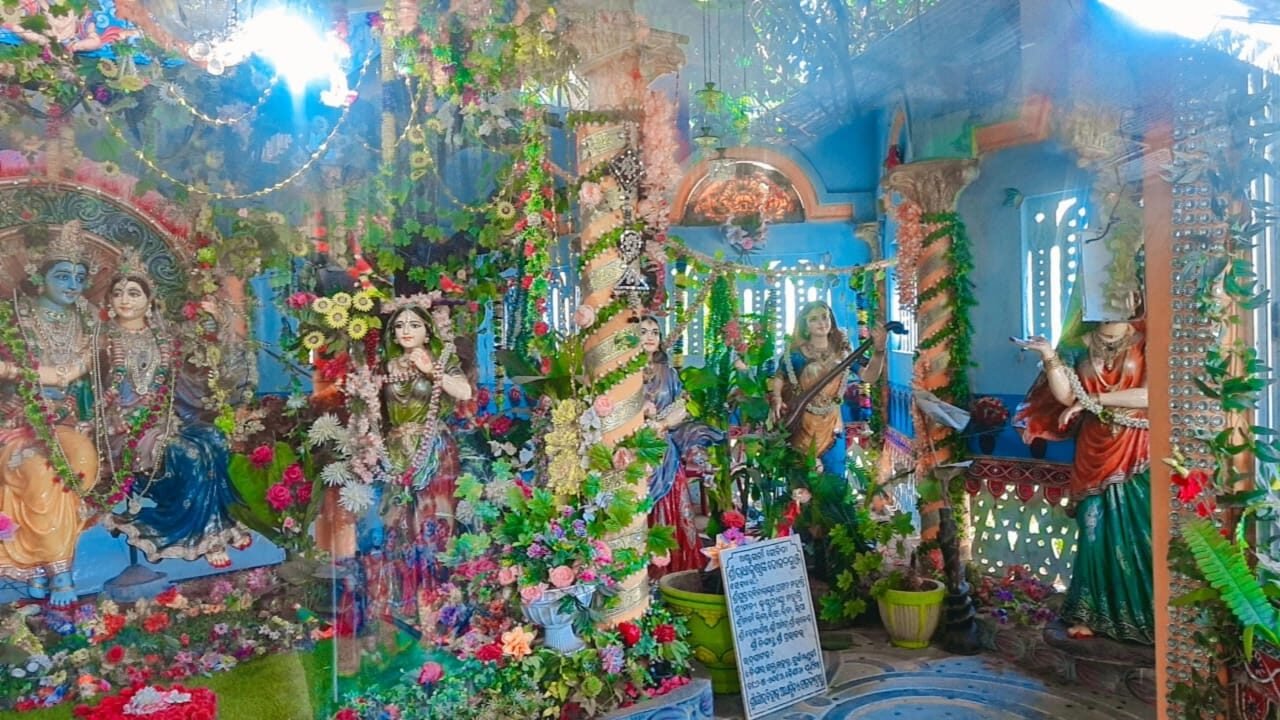
Truly a great place to give you the feel and feel of being in Vrindavan. Many idols and idols of Lord Krishna and Shri Radha are here with their blessing smiles and the biggest devotee of Lord Krishna and Shri Radha, Mahaprabhu is also present here. The place is beautiful with its small ponds, flowers, gardens and obviously the serenity of the place but simply unforgettable.Char Dham
The temple is one of the holiest Vaishnava Hindu Char Dham (four divine sites) sites also including Rameswaram, Badrinath, Puri and Dwarka. Though the origins are not clearly known, the Advaita school of Hinduism propagated by Sankaracharya, who created Hindu monastic institutions across India, attributes the origin of Char Dham to the seer. The four monasteries lie across the four corners of India and their attendant temples are Badrinath Temple at Badrinath in the North, Jagannath Temple at Puri in the East, Dwarakadheesh Temple at Dwarka in the West and Ramanathaswamy Temple at Rameswaram in the South. Though ideologically the temples are divided between the sects of Hinduism, namely Saivism and Vaishnavism, the Char Dham pilgrimage is an all Hindu affair.] There are four abodes in Himalayas called Chota Char Dham (Chota meaning small): Badrinath, Kedarnath, Gangotri and Yamunotri – all of these lie at the foothills of Himalayas.The name Chota was added during the mid of 20th century to differentiate the original Char Dhams. The journey across the four cardinal points in India is considered sacred by Hindus who aspire to visit these temples once in their lifetime. Traditionally the trip starts at the eastern end from Puri, proceeding in clockwise direction in a manner typically followed for circumambulation in Hindu temples
The most significant ritual associated with the Ratha-Yatra is the chhera pahara. During the festival, the Gajapati King wears the outfit of a sweeper and sweeps all around the deities and chariots in the Chera Pahara (sweeping with water) ritual. The Gajapati King cleanses the road before the chariots with a gold-handled broom and sprinkles sandalwood water and powder with utmost devotion. As per the custom, although the Gajapati King has been considered the most exalted person in the Kalingan kingdom, he still renders the menial service to Jagannath. This ritual signified that under the lordship of Jagannath, there is no distinction between the powerful sovereign Gajapati King and the most humble devotee. Chera pahara is held on two days, on the first day of the Ratha Yatra, when the deities are taken to garden house at Mausi Maa Temple and again on the last day of the festival, when the deities are ceremoniously brought back to the Shri Mandir.
As per another ritual, when the deities are taken out from the Shri Mandir to the Chariots in Pahandi vijay. In the Ratha Yatra, the three deities are taken from the Jagannath Temple in the chariots to the Gundicha Temple, where they stay for nine days. Thereafter, the deities again ride the chariots back to Shri Mandir in bahuda yatra. On the way back, the three chariots halt at the Mausi Maa Temple and the deities are offered Poda Pitha, a kind of baked cake which are generally consumed by the Odisha people only. The observance of the Rath Yatra of Jagannath dates back to the period of the Puranas. Vivid descriptions of this festival are found in Brahma Purana, Padma Purana, and Skanda Purana. Kapila Samhita also refers to Rath Yatra. In Moghul period also, King Ramsingh of Jaipur, Rajasthan has been described as organizing the Rath Yatra in the 18th Century. In Orissa, Kings of Mayurbhanj and Parlakhemundi were organizing the Rath Yatra, though the most grand festival in terms of scale and popularity takes place at Puri.
Moreover, Starza notes that the ruling Ganga dynasty instituted the Rath Yatra at the completion of the great temple around 1150 AD. This festival was one of those Hindu festivals that was reported to the Western world very early. Friar Odoric of Pordenone visited India in 1316–1318, some 20 years after Marco Polo had dictated the account of his travels while in a Genoese prison. In his own account of 1321, Odoric reported how the people put the “idols” on chariots, and the King and Queen and all the people drew them from the “church” with song and music.
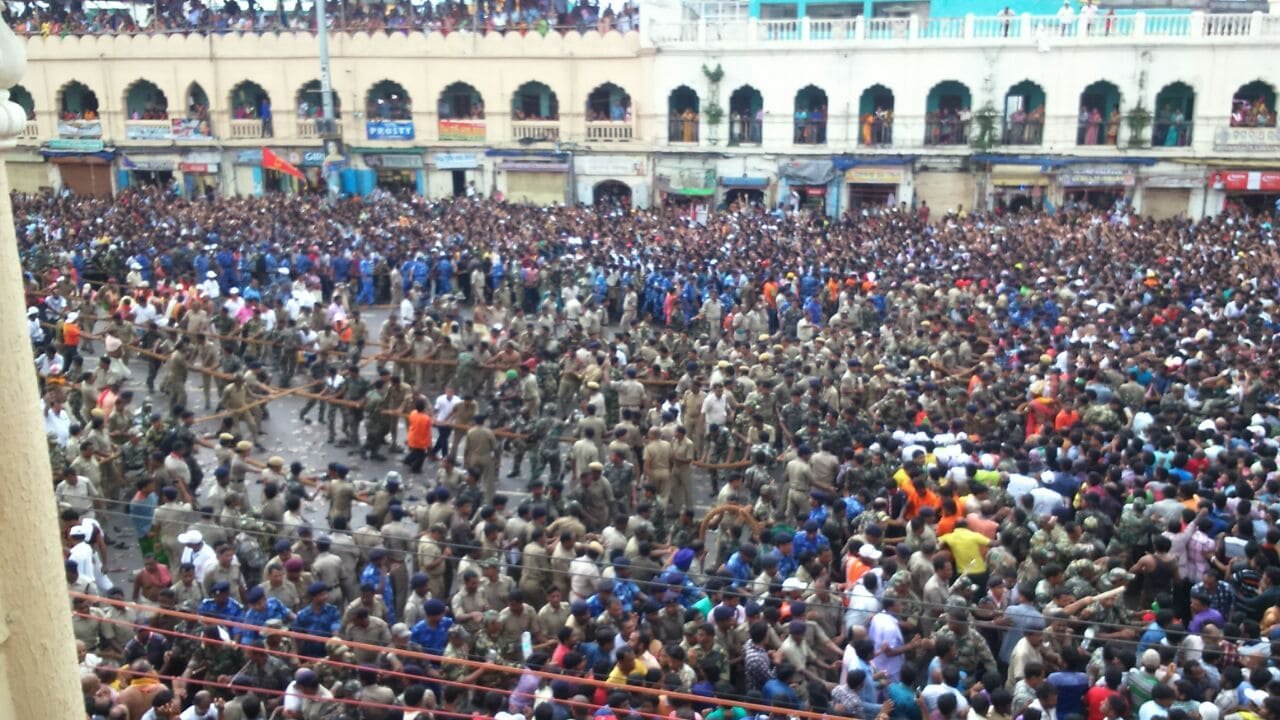
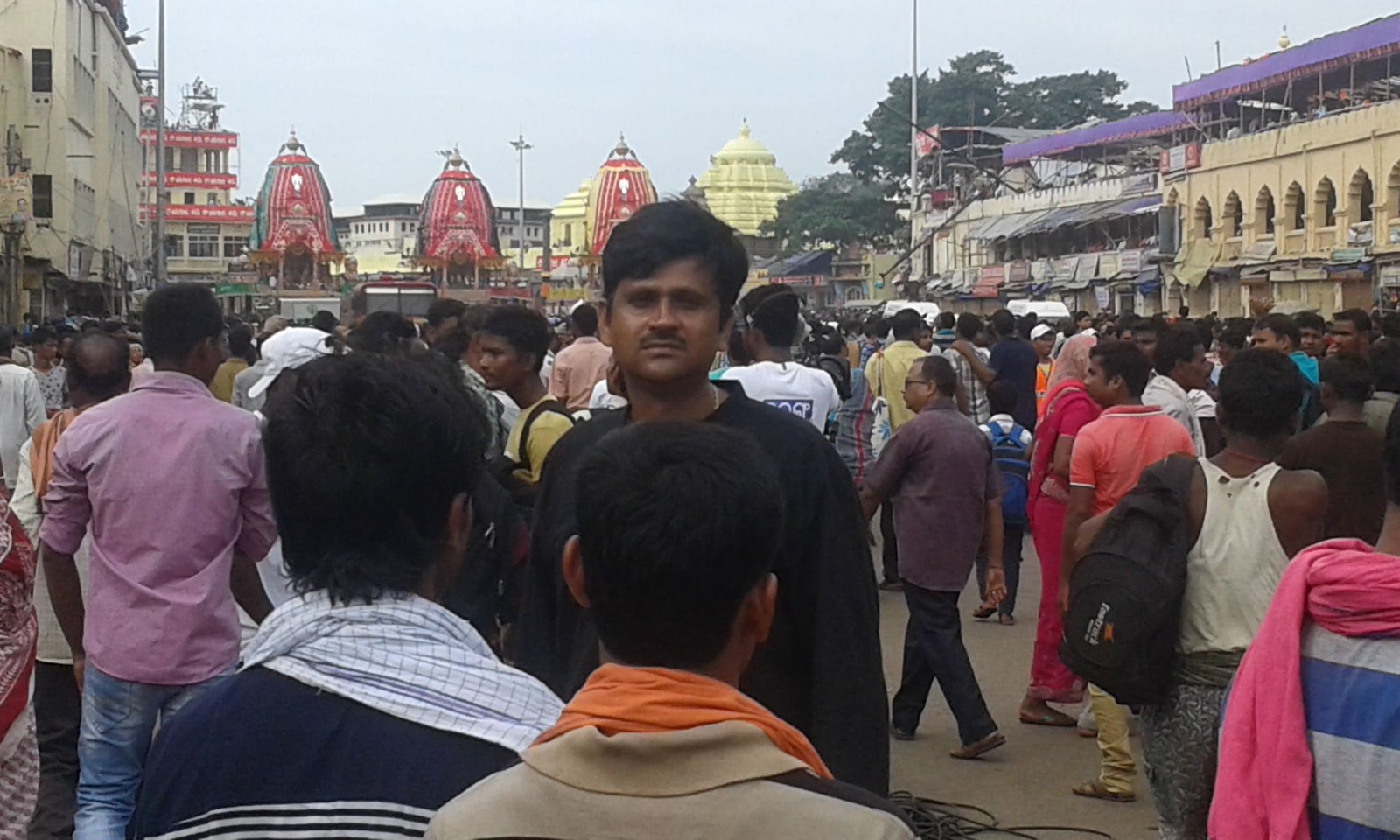
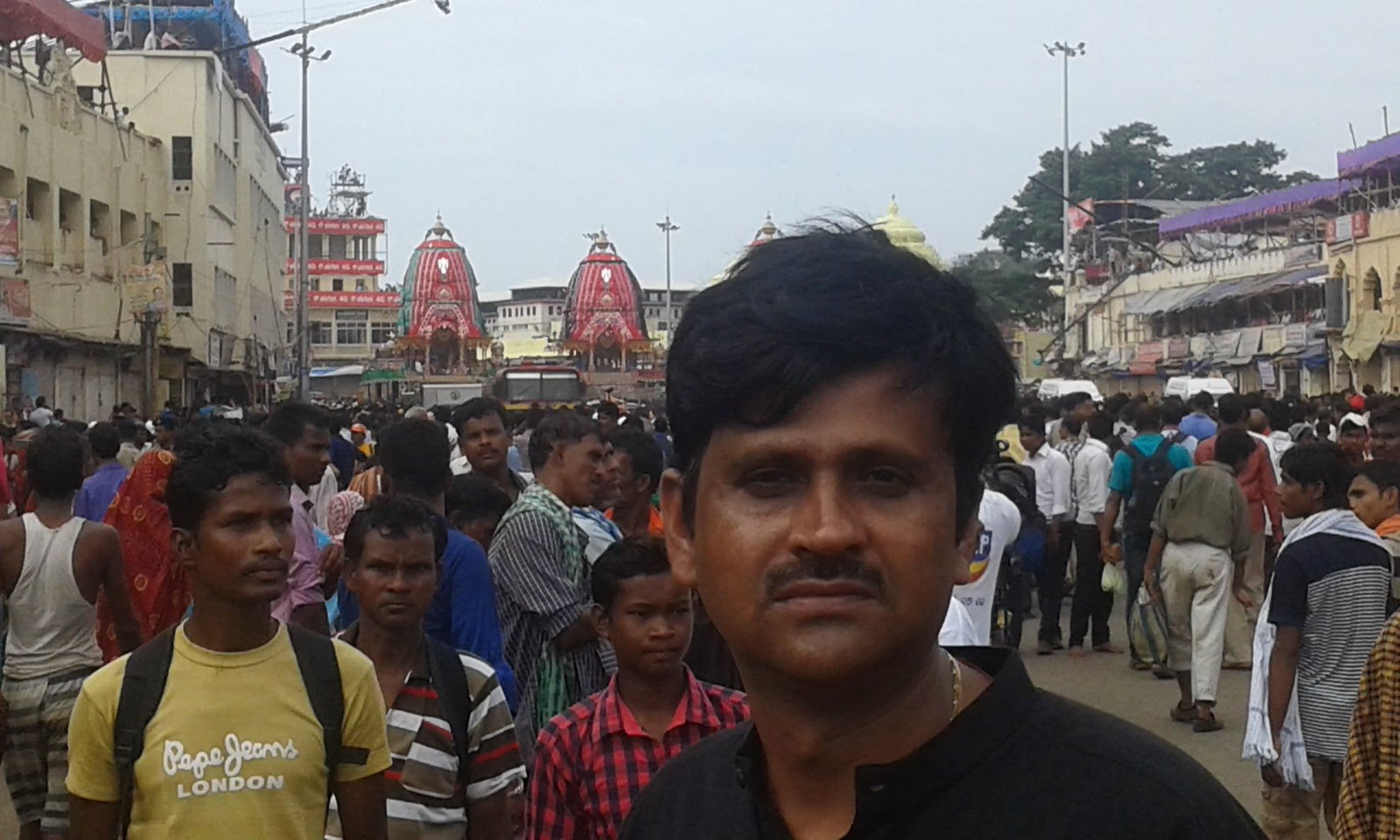
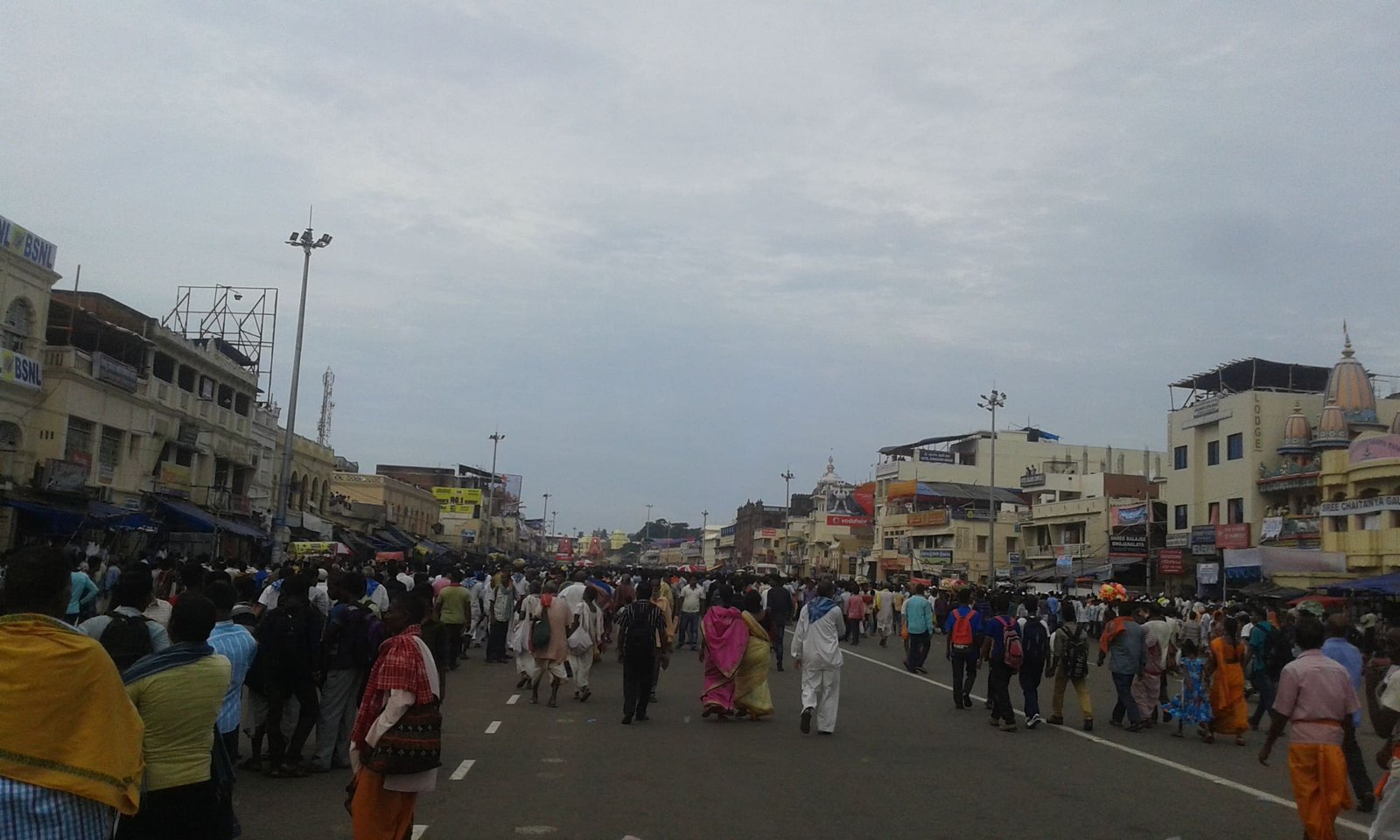
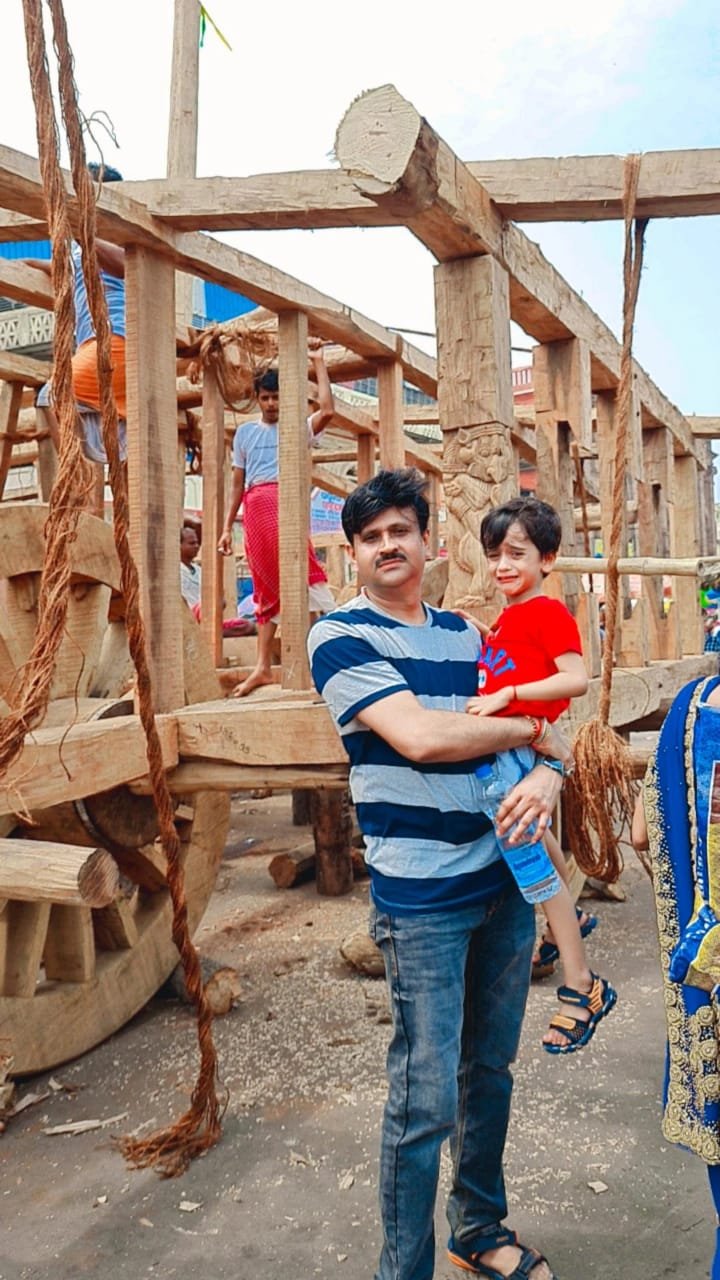
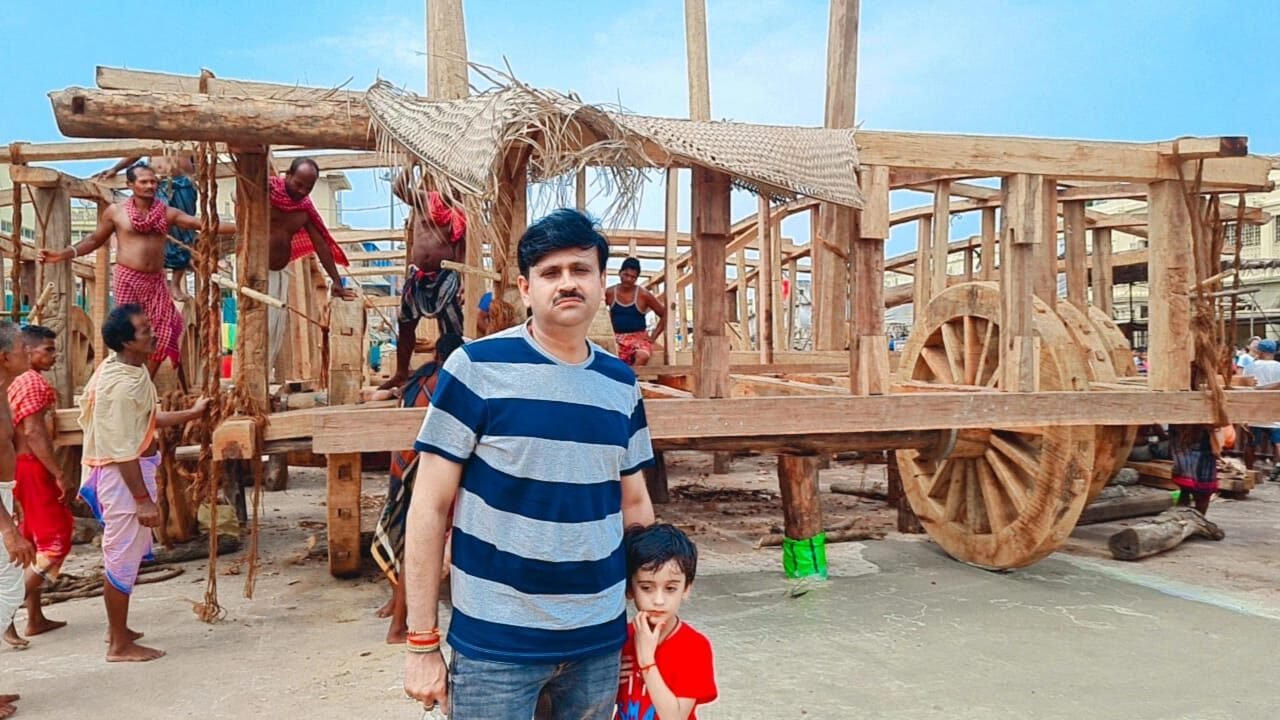
The Jagannath triad are usually worshiped in the sanctum of the temple at Puri, but once during the month of Asadha (Rainy Season of Orissa, usually falling in month of June or July), they are brought out onto the Bada Danda (main street of Puri) and travel (3 km) to the Shri Gundicha Temple, in huge chariots (ratha), allowing the public to have darśana (Holy view). This festival is known as Rath Yatra, meaning the journey (yatra) of the chariots (ratha). The Rathas are huge wheeled wooden structures, which are built anew every year and are pulled by the devotees. The chariot for Jagannath is approximately 45 feet high and 35 feet square and takes about 2 months to construct. The artists and painters of Puri decorate the cars and paint flower petals and other designs on the wheels, the wood-carved charioteer and horses, and the inverted lotuses on the wall behind the throne. The huge chariots of Jagannath pulled during Rath Yatra is the etymological origin of the English word Juggernaut. The Ratha-Yatra is also termed as the Shri Gundicha yatra
The most significant ritual associated with the Ratha-Yatra is the chhera pahara. During the festival, the Gajapati King wears the outfit of a sweeper and sweeps all around the deities and chariots in the Chera Pahara (sweeping with water) ritual. The Gajapati King cleanses the road before the chariots with a gold-handled broom and sprinkles sandalwood water and powder with utmost devotion. As per the custom, although the Gajapati King has been considered the most exalted person in the Kalingan kingdom, he still renders the menial service to Jagannath. This ritual signified that under the lordship of Jagannath, there is no distinction between the powerful sovereign Gajapati King and the humblest devotee. Chera pahara is held on two days, on the first day of the Ratha Yatra, when the deities are taken to garden house at Mausi Maa Temple and again on the last day of the festival, when the deities are ceremoniously brought back to the Shri Mandir.
As per another ritual, when the deities are taken out from the Shri Mandir to the Chariots in Pahandi vijay.
In the Ratha Yatra, the three deities are taken from the Jagannath Temple in the chariots to the Gundicha Temple, where they stay for nine days. Thereafter, the deities again ride the chariots back to Shri Mandir in bahuda yatra. On the way back, the three chariots halt at the Mausi Maa Temple and the deities are offered Poda Pitha, a kind of baked cake which are generally consumed by the Odisha people only.
The observance of the Rath Yatra of Jagannath dates back to the period of the Puranas. Vivid descriptions of this festival are found in Brahma Purana, Padma Purana, and Skanda Purana. Kapila Samhita also refers to Rath Yatra. In Moghul period also, King Ramsingh of Jaipur, Rajasthan has been described as organizing the Rath Yatra in the 18th Century. In Orissa, Kings of Mayurbhanj and Parlakhemundi were organizing the Rath Yatra, though the most grand festival in terms of scale and popularity takes place at Puri.
Some of the architectural feats of the temple
The main temple is constructed in such a way that no shadow of the temple falls on the ground at any time of the day.
The Nilachakra – Or the Blue wheel perched on top of the temple is made of eight metals or asta dhatu. It is believed that if you see the Nilachakra it is as good as seeing the Lord himself.
The flag or the Patitapabana flows in the opposite direction of the wind and is changed every day at sunset and is changed every day. The feet of changing the flag’s rests with a family appointed by the King. They have been doing this ritual for over 800 years, climbing 165 meters, bare feet without any support.
The Mahaprasad or the offering to the Lord is prepared on fire lit by wood charcoal and rice and vegetables, cereals etc. are put in earthen pots and placed on the fire one on top of the other. The pot on the top cooks first.
The Aruna stambha- the 33 ft monolith structure pillar in front of the Singhadwar or the main entrance of the temple was originally located at the Sun Temple, Konark.
Another unique feature of the temple is that the idols of the holy trinity are carved out of wood rather than stone or metal idols. They are also the only deity with the trappings of mortality.
How to Reach:
By Air – Biju Patnaik airport at Bhubaneswar is the nearest airport, which is nearly 56 km from the heart of the Puri city. The airport is connected to Delhi and Mumbai. …
By Train – Puri is a major railway junction. …
By Road – Puri is connected with the neighbouring cities through well-constructed roads.
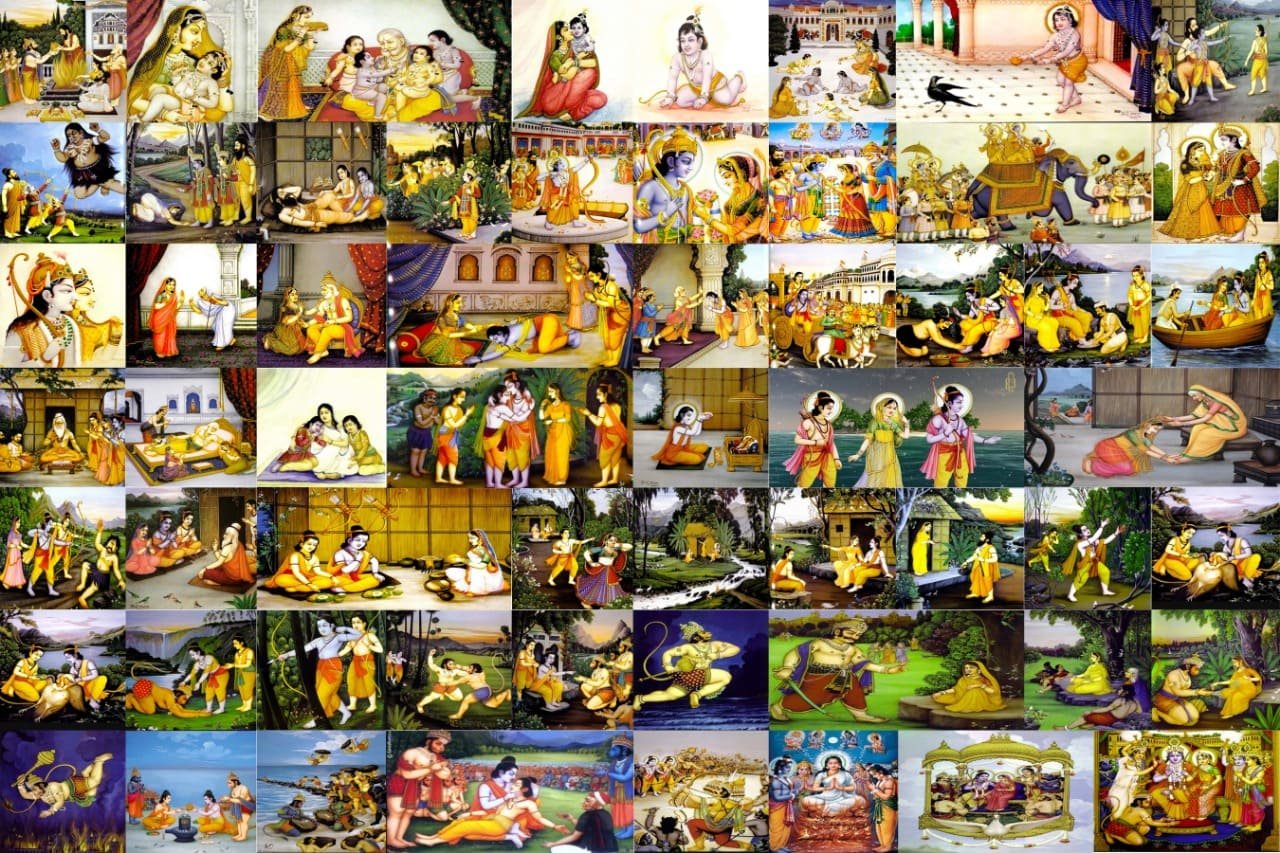
7. Journey of Ramayana through pictures
The Rāmāyana a Sanskrit epic from ancient India. Ramayana is one of the two important legends of Hinduism, known as the Itihasas, the other being the Mahābhārata.
The epic, traditionally ascribed to the Maharishi Valmiki, narrates the life of Rama, a legendary prince of Ayodhya city in the kingdom of Kosala. The epic follows his fourteen-year exile to the forest urged by his father King Dasharatha, on the request of Rama’s stepmother Kaikeyi; his travels across forests in the Indian subcontinent with his wife Sita and brother Lakshmana, the kidnapping of Sita by Ravana – the king of Lanka, that resulted in war; and Rama’s eventual return to Ayodhya to be crowned king amidst jubilation and celebration.
The Ramayana is one of the largest ancient epics in world literature. It consists of nearly 24,000 verses (mostly set in the Shloka/Anustubh meter), divided into seven kāṇḍas, the first and the seventh being later additions. It belongs to the genre of Itihasa, narratives of past events (purāvṛtta), interspersed with teachings on the goals of human life. Scholars’ estimates for the earliest stage of the text range from the 7th to 4th centuries BCE, with later stages extending up to the 3rd century CE.
There are many versions of Ramayana in Indian languages, besides Buddhist, Sikh and Jain adaptations. There are also Cambodian (Reamker), Indonesian, Filipino, Thai (Ramakien), Lao, Burmese and Malay versions of the tale. Retellings include Kamban’s Ramavataram in Tamil (c. 11th–12th century), Champu Ramayanam[ of Bhoja (c. 11th century), Kumudendu Muni’ s Kumudendu Ramayana (a Jain version) (c. 13th century) and Narahari’s Torave Ramayana in Kannada (c. 16th-century), Gona Budda Reddy’s Ranganatha Ramayanam in Telugu (c. 13th century), Madhava Kandali’s Saptakanda Ramayana in Assamese (c. 14th century), Krittibas Ojha’s Krittivasi Ramayan (also known as Shri Ram Panchali) in Bengali (c. 15th century), Sarala Das’ Vilanka Ramayana (c. 15th century) and Balarama Dasa’s Jagamohana Ramayana (also known as the Dandi Ramayana) (c. 16th century) both in Odia, sant Eknath’s Bhavarth Ramayan (c. 16th century) in Marathi, Tulsidas’ Ramcharitamanas (c. 16th century) in Awadhi (which is an eastern form of Hindi) and Thunchaththu Ezhuthachan’s Adhyathmaramayanam in Malayalam (c. 17th century).
The Ramayana was an important influence on later Sanskrit poetry and the Hindu life and culture. The characters Rama, Sita, Lakshmana, Bharata, Hanuman, and Ravana are all fundamental to the cultural consciousness of the South Asian nations of India, Bangladesh, Nepal, Sri Lanka and the South-East Asian countries of Cambodia, Indonesia, Malaysia and Thailand. Its most important moral influence was the importance of virtue, in the life of a citizen and in the ideals of the formation of a state or of a functioning society.
Rama, the prince of Ayodhya, is the eldest son of King Dasharatha and his wife Kaushalya. Although Rama is his father’s choice to succeed him, the king’s second wife, Kaikei, wants her own son on the throne. She schemes to send Rama and his wife Sita into exile, where they remain for 14 years.
While living in the forest, Sita is kidnapped by the demon king Ravana, the 10-headed ruler of Lanka. Rama pursues her, aided by his brother Lakshmana and the mighty monkey general Hanuman. They attack Ravana’s army and succeed in killing the demon king, freeing Sita after a fierce battle and reuniting her with Rama.
Rama and Sita return to Ayodhya and are warmly welcomed back by the citizens of the kingdom, where they rule for many years and have two sons. Eventually, Sita is accused of being unfaithful, and she must undergo a trial by fire to prove her chastity. She appeals to Mother Earth and is saved, but she vanishes into immortality.
8. Kolkata (West Bengal )
Kolkata also known as Calcutta the official name until 2001, is the capital of the Indian state of West Bengal. Located on the eastern bank of the Hooghly River, the city is approximately 80 km (50 mi) west of the border with Bangladesh. It is the primary business, commercial, and financial hub of Eastern India and the main port of communication for North-East India. According to the 2011 Indian census, Kolkata is the seventh-most populous city in India, with a population of 45 lakh (4.5 million) residents within the city limits, and a population of over 1.41 crore (14.1 million) residents in the Kolkata Metropolitan Area. It is the third-most populous metropolitan area in India. In 2021, Kolkata metropolitan area crossed 1.5 crore (15 million) registered voters. The Port of Kolkata is India’s oldest operating port and its sole major riverine port. Kolkata is regarded as the Cultural Capital of India.
In the late 17th century, the three villages that predated Calcutta were ruled by the Nawab of Bengal under Mughal suzerainty. After the Nawab granted the East India Company a trading licence in 1690, the area was developed by the Company into an increasingly fortified trading post known as Fort William. Nawab Siraj ud-Daulah occupied Calcutta in 1756, and the East India Company retook it the following year. In 1793 the East India company was strong enough to abolish native rule, and assumed full sovereignty of the region. Under the company rule and later under the British Raj, Calcutta served as the capital of British-held territories in India until 1911. In that year, after assessing its geographical location, combined with growing nationalism in Bengal (Calcutta became the centre for the Indian independence movement), the British moved the capital to the relatively more centrally located New Delhi.
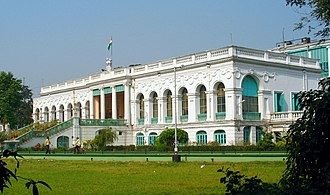
Following independence in 1947, Kolkata, which was once the premier centre of Indian commerce, culture, and politics, suffered many decades of political violence and economic stagnation before it rebounded. A demographically diverse city, the culture of Kolkata features idiosyncrasies that include distinctively close-knit neighbourhoods (paras) and freestyle conversations (adda). Kolkata is home to eastern India’s film industry, known as Tollywood, and cultural institutions, such as the Academy of Fine Arts, the Victoria Memorial, the Asiatic Society, the Indian Museum, and the National Library of India. Among scientific institutions, Kolkata hosts the Agri Horticultural Society of India, the Geological Survey of India, the Botanical Survey of India, the Calcutta Mathematical Society, the Indian Science Congress Association, the Zoological Survey of India, the Institution of Engineers, the Anthropological Survey of India and the Indian Public Health Association. Four Nobel laureates and two Nobel Memorial Prize winners are associated with the city. Though home to major cricketing venues and franchises, Kolkata stands out in India for being the country’s centre of association football and also having strong culture in other sports less widespread elsewhere.
Places to Visit in Kolkata
• Sundarbans – Admire Wildlife In Their Natural Habitat
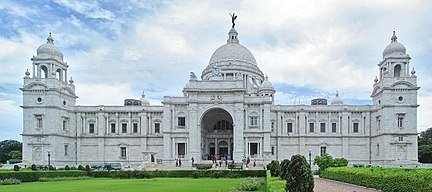
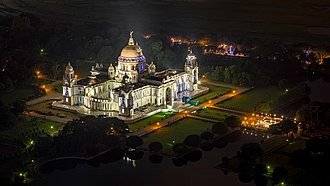
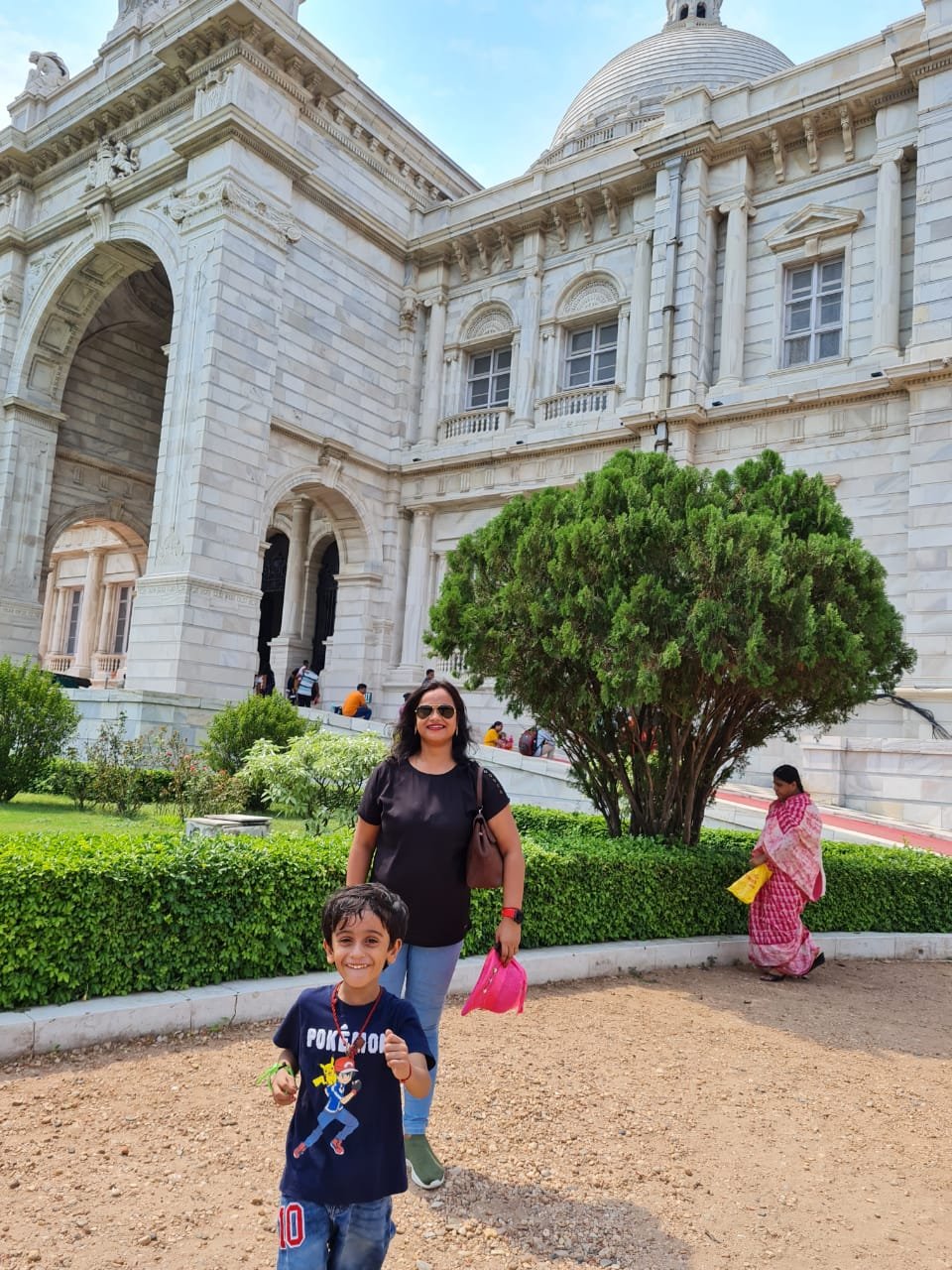
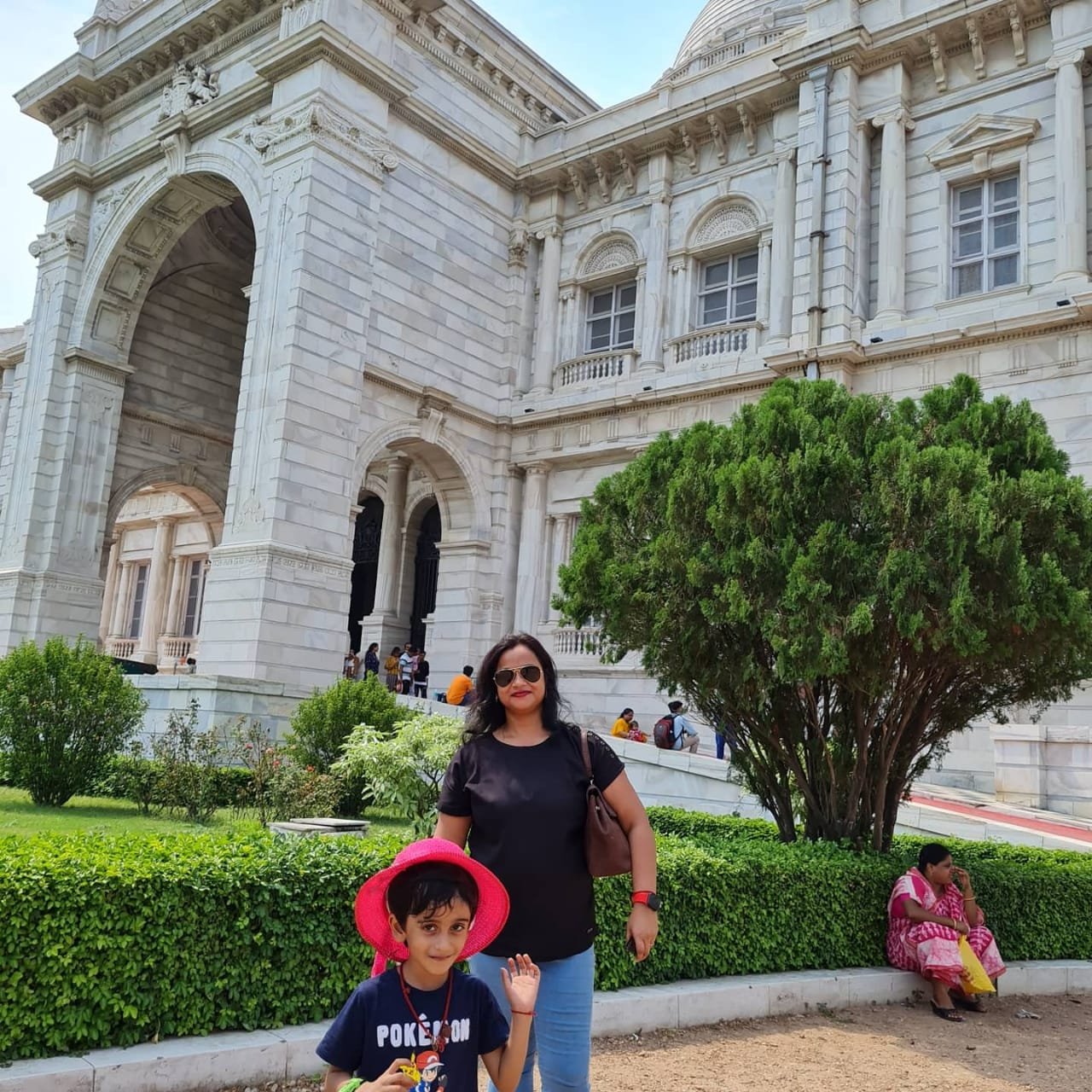
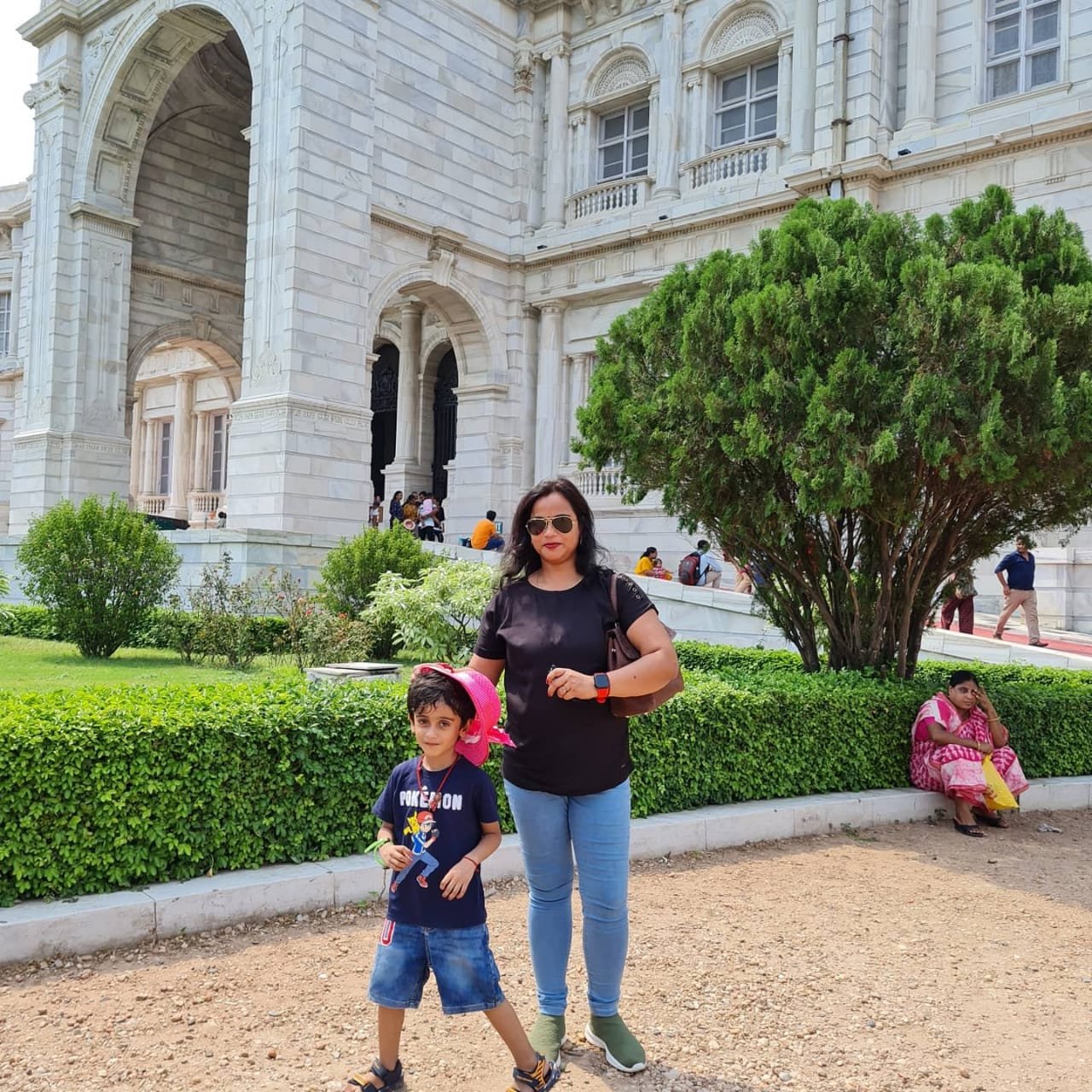
• Victoria Memorial Palace – Marvel At The Architecture
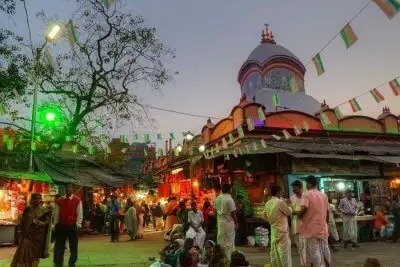
• Dakshineswar And Kalighat Temple – Take Blessings
• Science City – Enhance Your Knowledge
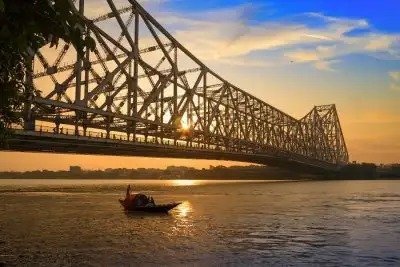
• Howrah Bridge – Capture The Beautiful Landscape
• Nicco Park – Have Some Fun Time
• Park Street – Shop Your Heart Out
• Eden Garden – Take A Plunge Into History
• St. Paul Cathedral – Treat The History Buff In You
• State Archaeological Gallery – Gaze At The Artifacts
• Princep Ghat – Watch The Sun Go Down
• Birla Planetarium – Treat Your Adventurous Soul
• The Marble Palace – Peep Into The 19th Century
• The Indian Museum – Take A Glance At Antiques
• Mother’s Wax Museum – Meet Realistic Wax Figures
• Salt Lake – Enjoy A Boat Ride
• The Academy Of Fine Arts – Appreciate The Art
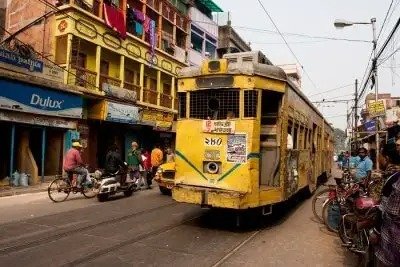
• Tram Ride – Explore The City Like Bengalis Do
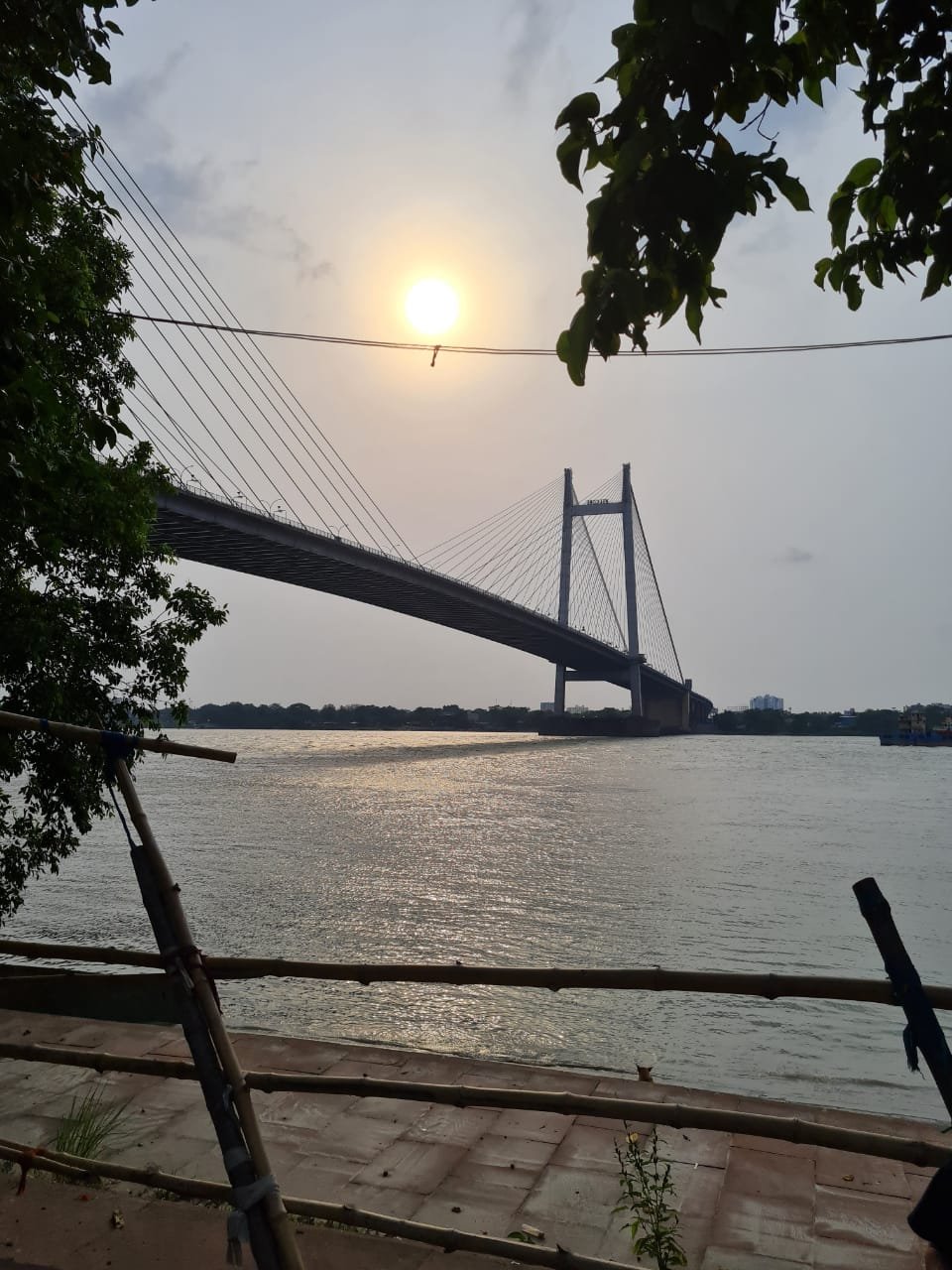
• Vidyasagar Setu – Gape At The Panoramic View
• The New Town Eco Park – Relax At This Picnic Spot
• Kolkata Restaurants – Relish Bengali Dishes
• Mallick Ghat Flower Market – Flower Shopping
• Mother Teresa House – Explore The Place
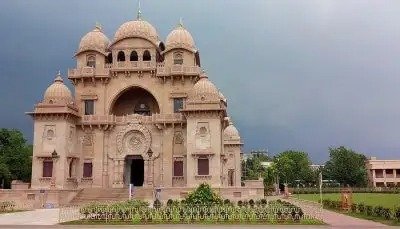
• Belur Math – Calm Your Senses
• Terreti Morning Market – Gorge On Tasty Dishes
• Fort William – Spectate The Birtish Inspired Structure
• Birla Temple – Offer Homage To Lord Krishna
• Chowringhee – For All The Recreational Activities
• South Park Street Cemetery – For Haunted Escapades
• Acharya Jagadish Chandra Bose Indian Botanic Garden – To Get Closer To Nature
• Ferry Ride – Enjoy A Night At The Waters
• Rabindra Sarobar – A Paradise For Birdwatchers
• Nightlife – Call It A Day With Some Fun
How to Reach
Kolkata being a major metropolis and the second largest city in India is connected via its own domestic and international airports, railway station and the roadways. Taxis outside the airport and railway station are easily available for pick-up and drop.
By Flight – Netaji Subhash Chandra Bose International Airport connects Kolkata to Southeast Asia and some countries of Europe. The domestic terminal is one of the best in the country and is connected to all the major towns and cities
By Train – Kolkata has two main railway stations- Howrah and Sealdah. It is connected to all the big stations in India and is a gateway to North Eastern India
By Road – There are regular bus services for Kolkata from almost any part of India. From Delhi, via NH 19, it takes almost a day to reach Kolkata
9. Konark Sun Temple ( Odisha )
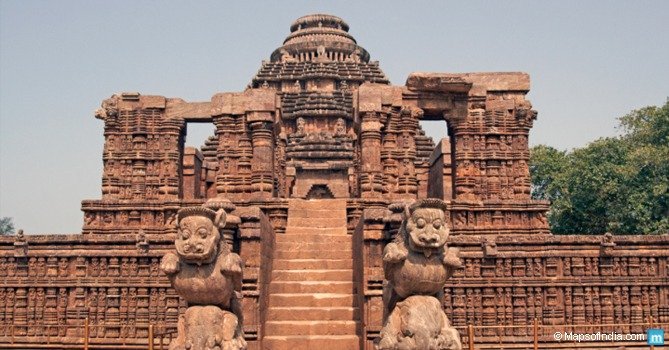
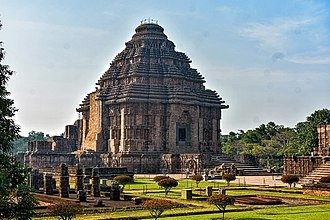
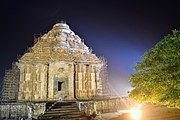
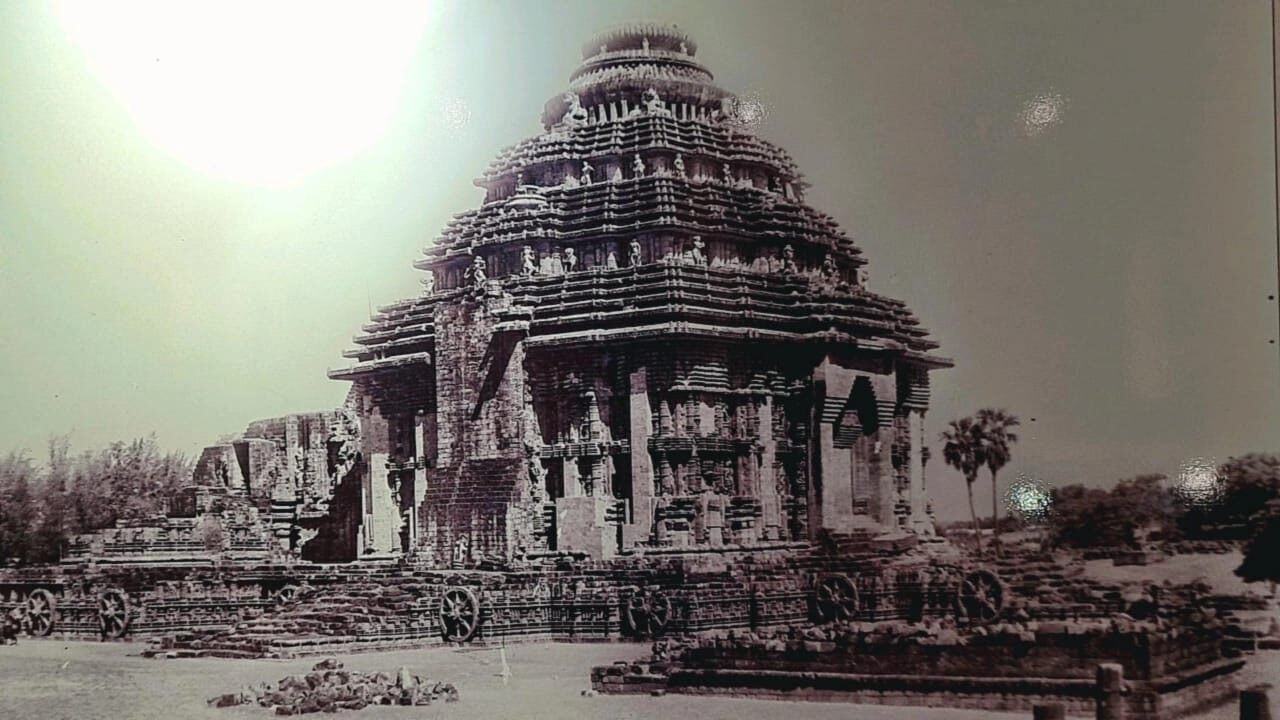
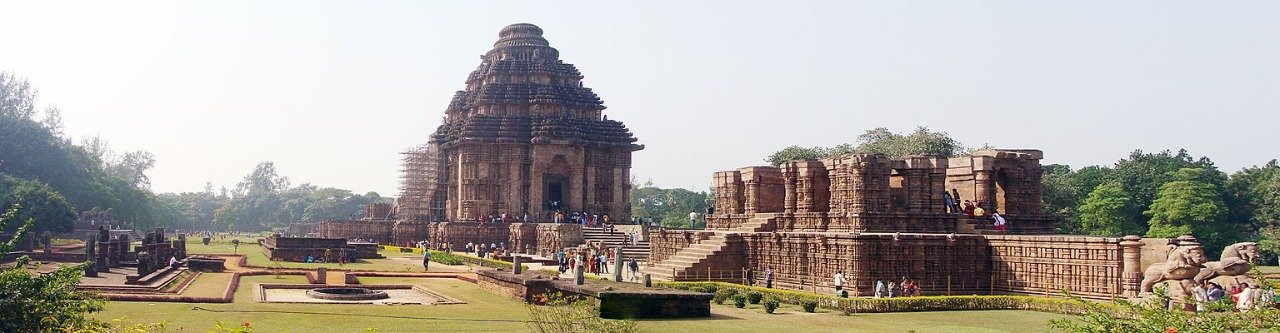
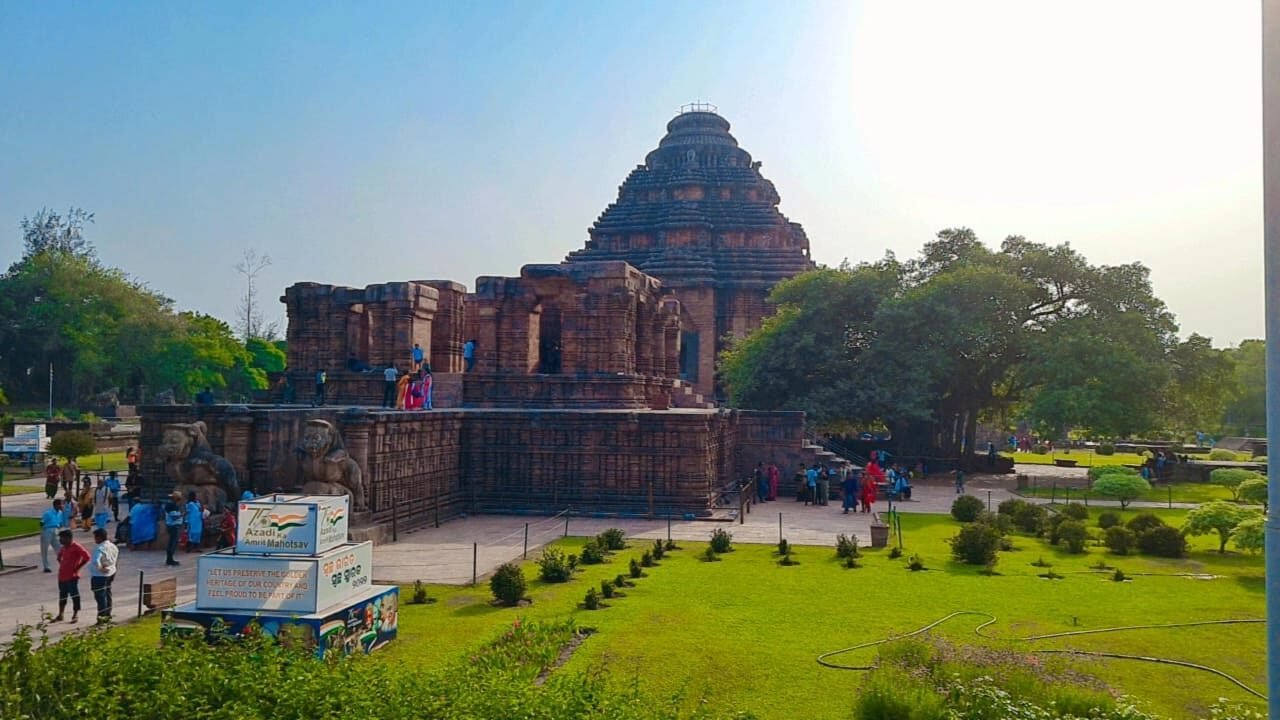
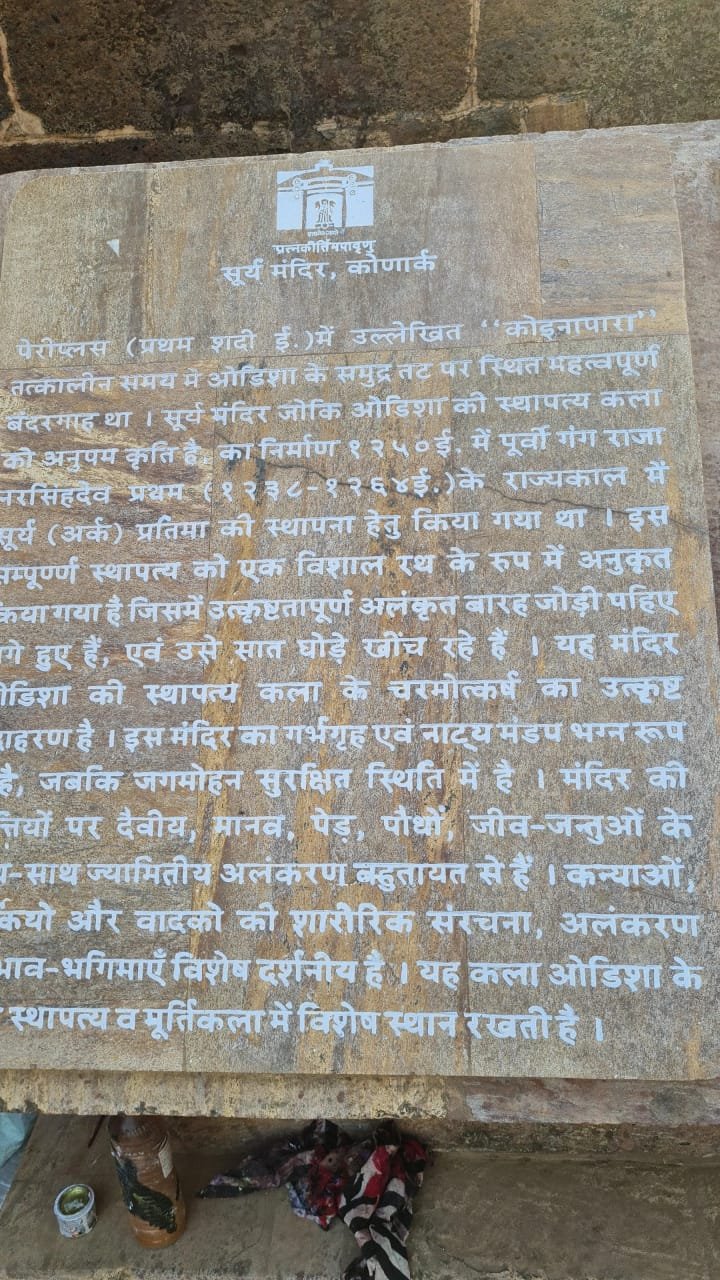
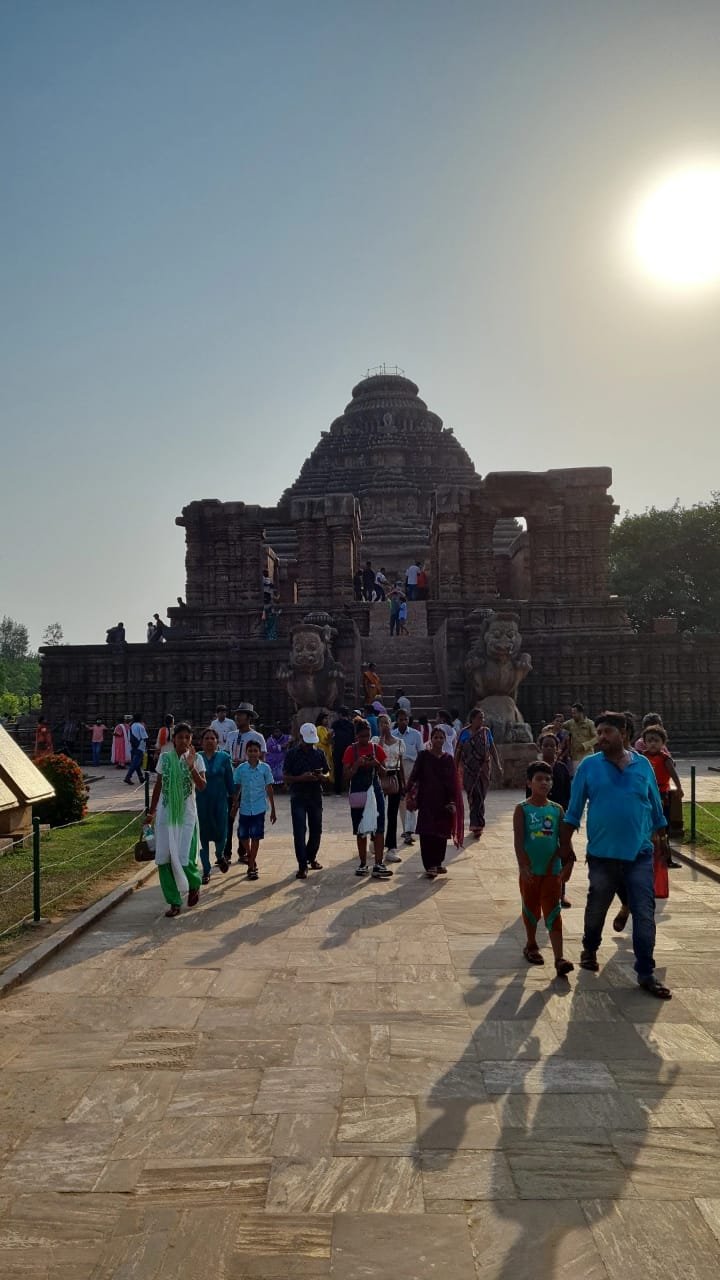
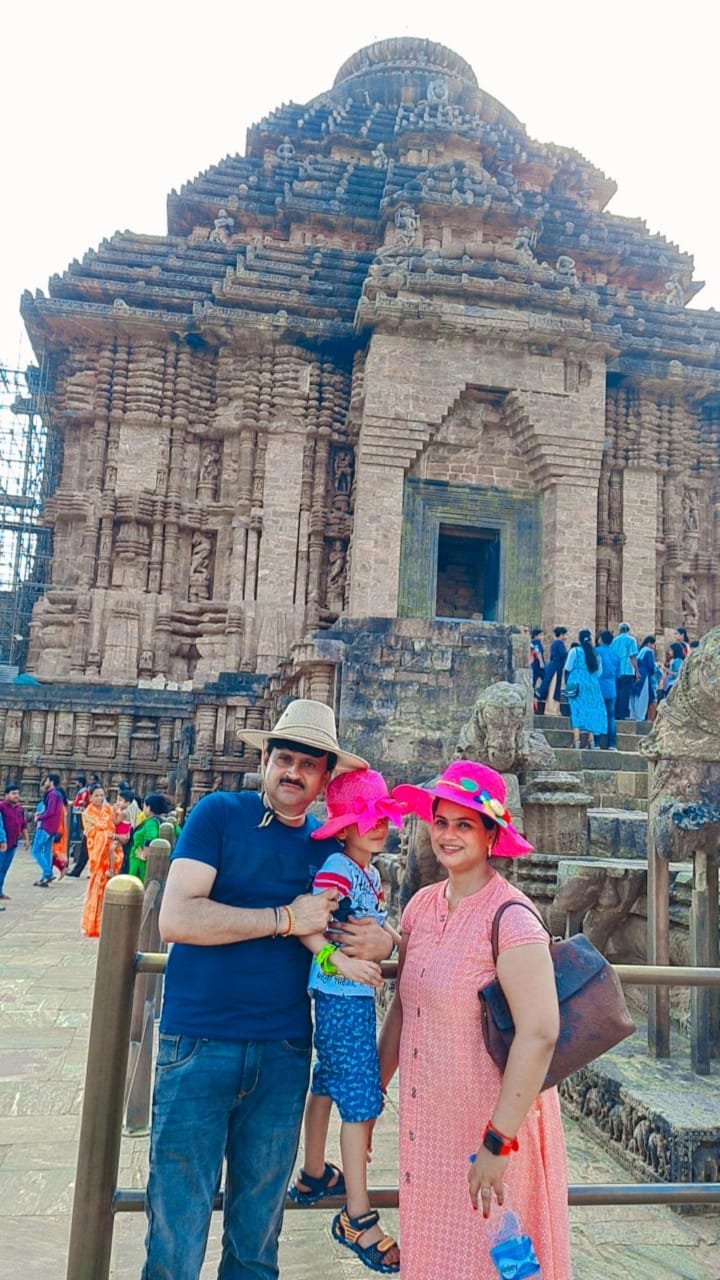
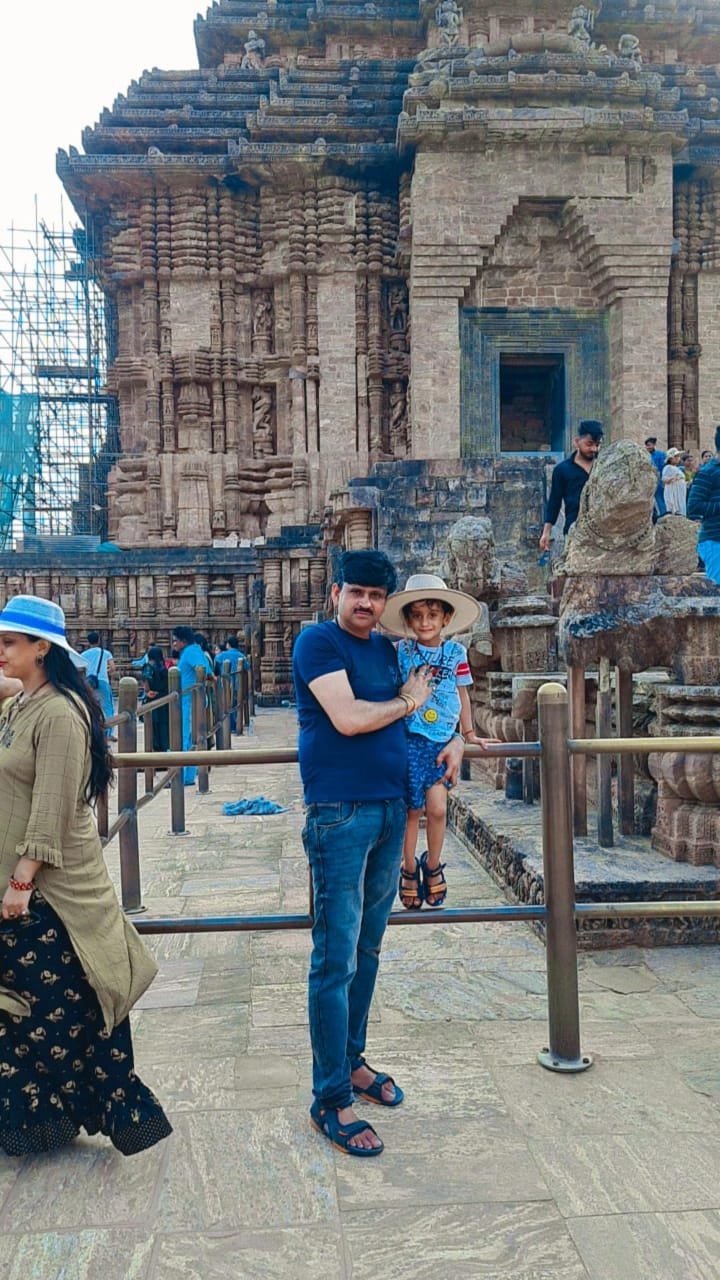
Konark Sun Temple is a 13th-century CE (year 1250) Sun temple at Konark about 35 kilometres (22 mi) northeast from Puri city on the coastline in Puri district, Odisha, India. The temple is attributed to king Narasimhadeva I of the Eastern Ganga dynasty about 1250 CE.
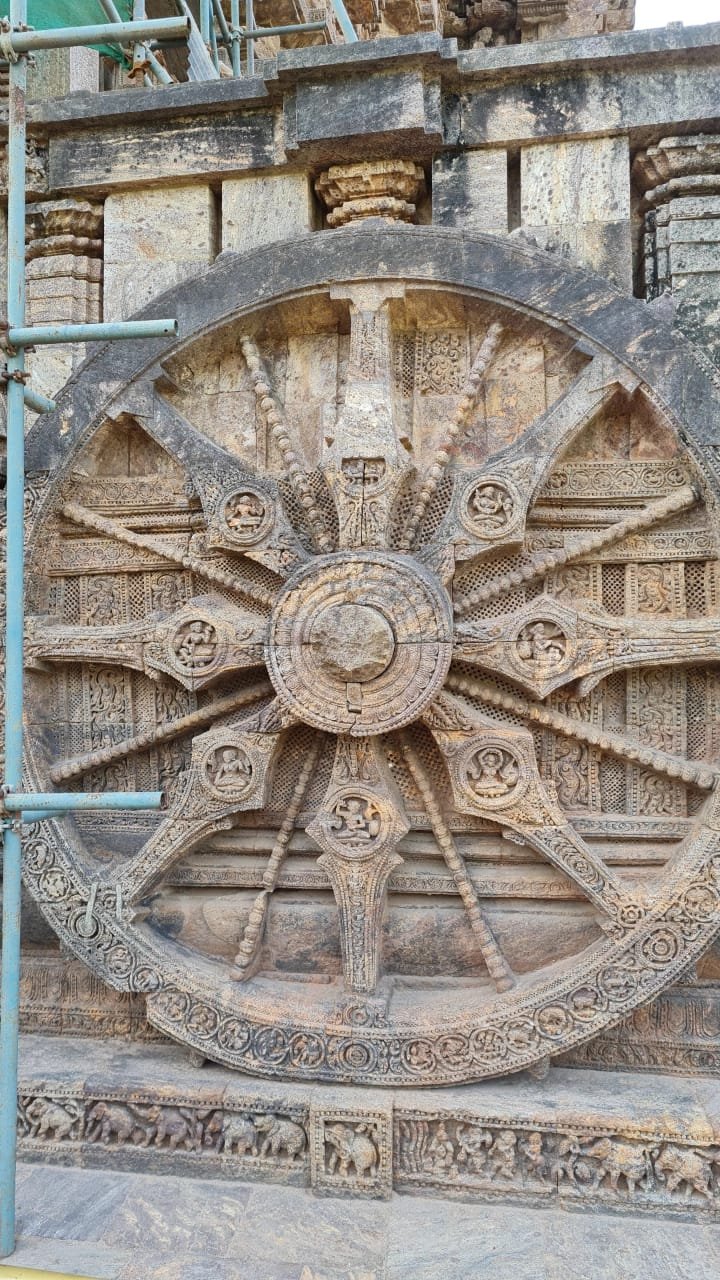
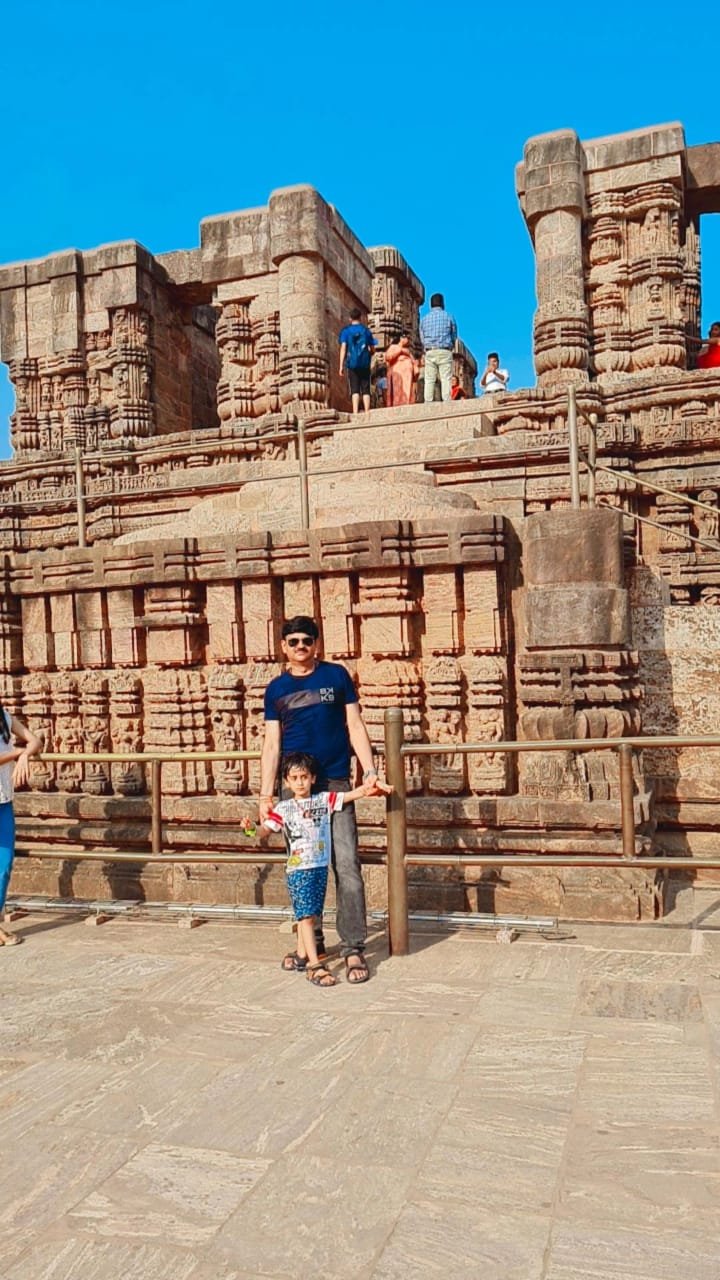
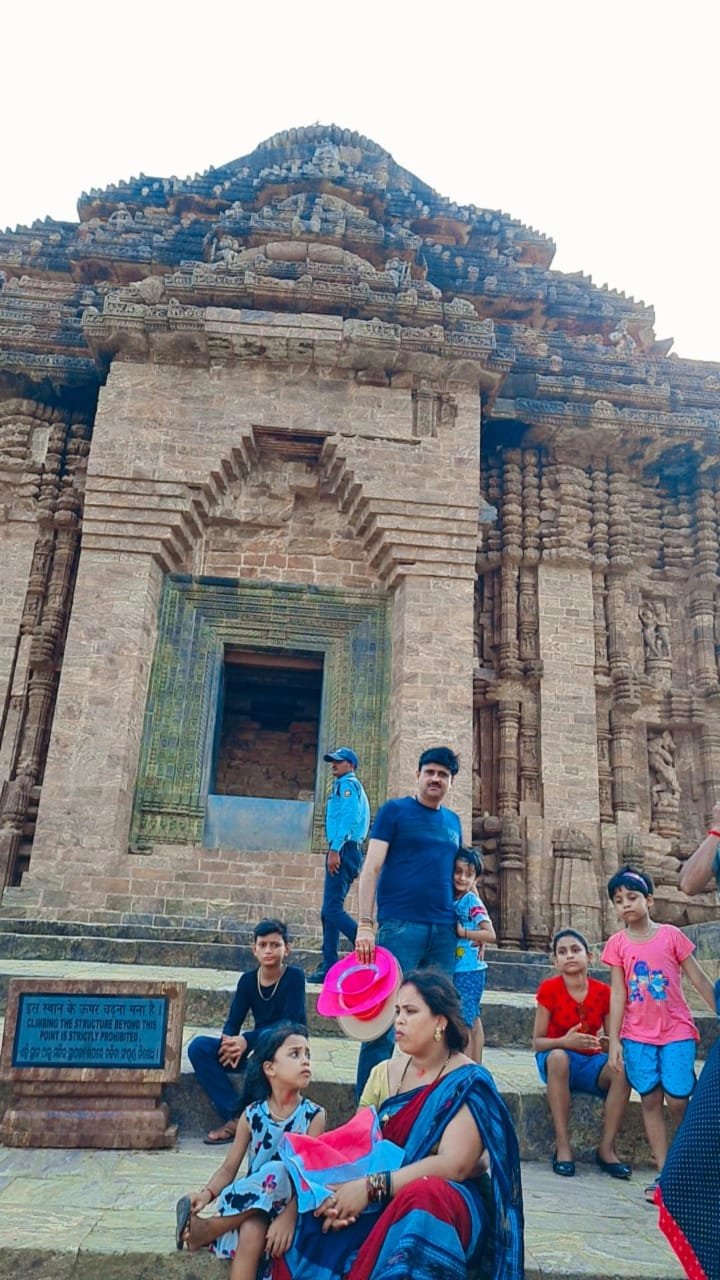
Dedicated to the Hindu Sun God Surya, what remains of the temple complex has the appearance of a 100-foot (30 m) high chariot with immense wheels and horses, all carved from stone. Once over 200 feet (61 m) high, much of the temple is now in ruins, in particular the large shikara tower over the sanctuary; at one time this rose much higher than the mandapa that remains. The structures and elements that have survived are famed for their intricate artwork, iconography, and themes, including erotic kama and mithuna scenes. Also called the Surya Devalaya, it is a classic illustration of the Odisha style of Architecture or Kalinga architecture.
The cause of the destruction of the Konark temple is unclear and still remains a source of controversy. Theories range from natural damage to deliberate destruction of the temple in the course of being sacked several times by Muslim armies between the 15th and 17th centuries. This temple was called the “Black Pagoda” in European sailor accounts as early as 1676 because it looked like a great tiered tower which appeared black. Similarly, the Jagannath Temple in Puri was called the “White Pagoda”. Both temples served as important landmarks for sailors in the Bay of Bengal. The temple that exists today was partially restored by the conservation efforts of British India-era archaeological teams.
Declared a UNESCO world heritage site in 1984, it remains a major pilgrimage site for Hindus, who gather here every year for the Chandrabhaga Mela around the month of February
Konark Sun Temple is depicted on the reverse side of the Indian currency note of 10 rupees to signify its importance to Indian cultural heritage.
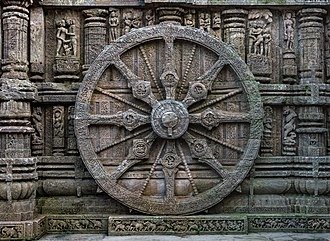
The Konark Sun Temple was built in 1250 CE during the reign of the Eastern Ganga King Narsimhadeva-1 from stone in the form of a giant ornamented chariot dedicated to the Sun god, Surya. In Hindu Vedic iconography Surya is represented as rising in the east and traveling rapidly across the sky in a chariot drawn by seven horses. He is described typically as a resplendent standing person holding a lotus flower in both his hands, riding the chariot marshaled by the charioteer Aruna. The seven horses are named after the seven meters of Sanskrit prosody: Gayatri, Brihati, Ushnih, Jagati, Trishtubha, Anushtubha, and Pankti. Typically seen flanking Surya are two females who represent the dawn goddesses, Usha and Pratyusha. The goddesses are shown to be shooting arrows, a symbol of their initiative in challenging the darkness. The architecture is also symbolic, with the chariot’s twelve pairs of wheels corresponding to the 12 months of the Hindu calendar, each month paired into two cycles (Shukla and Krishna).
The Konark temple presents this iconography on a grand scale. It has 24 elaborately carved stone wheels which are nearly 12 feet (3.7 m) in diameter and are pulled by a set of seven horses. When viewed from inland during the dawn and sunrise, the chariot-shaped temple appears to emerge from the depths of the blue sea carrying the sun.
The temple plan includes all the traditional elements of a Hindu temple set on a square plan. According to Kapila Vatsyayan, the ground plan, as well the layout of sculptures and reliefs, follow the square and circle geometry, forms found in Odisha temple design texts such as the Silpasarini. This mandala structure informs the plans of other Hindu temples in Odisha and elsewhere.
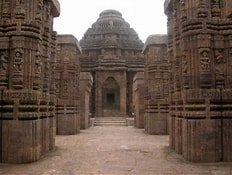
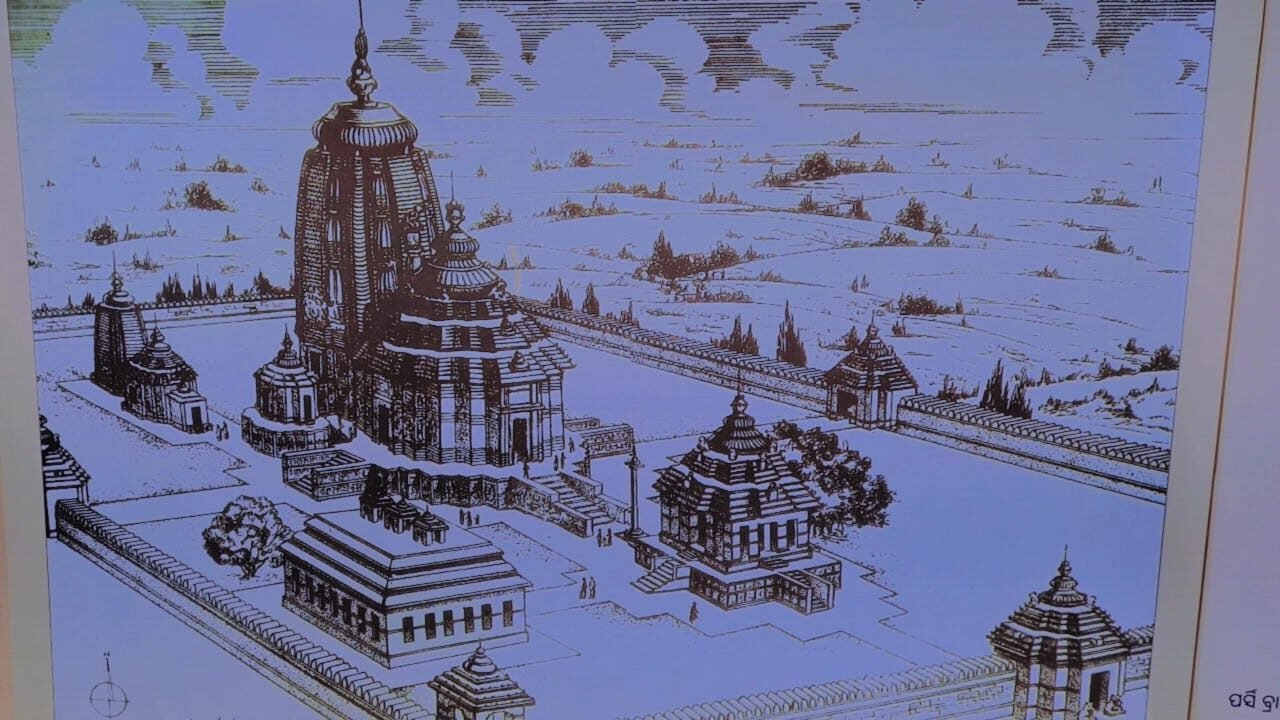
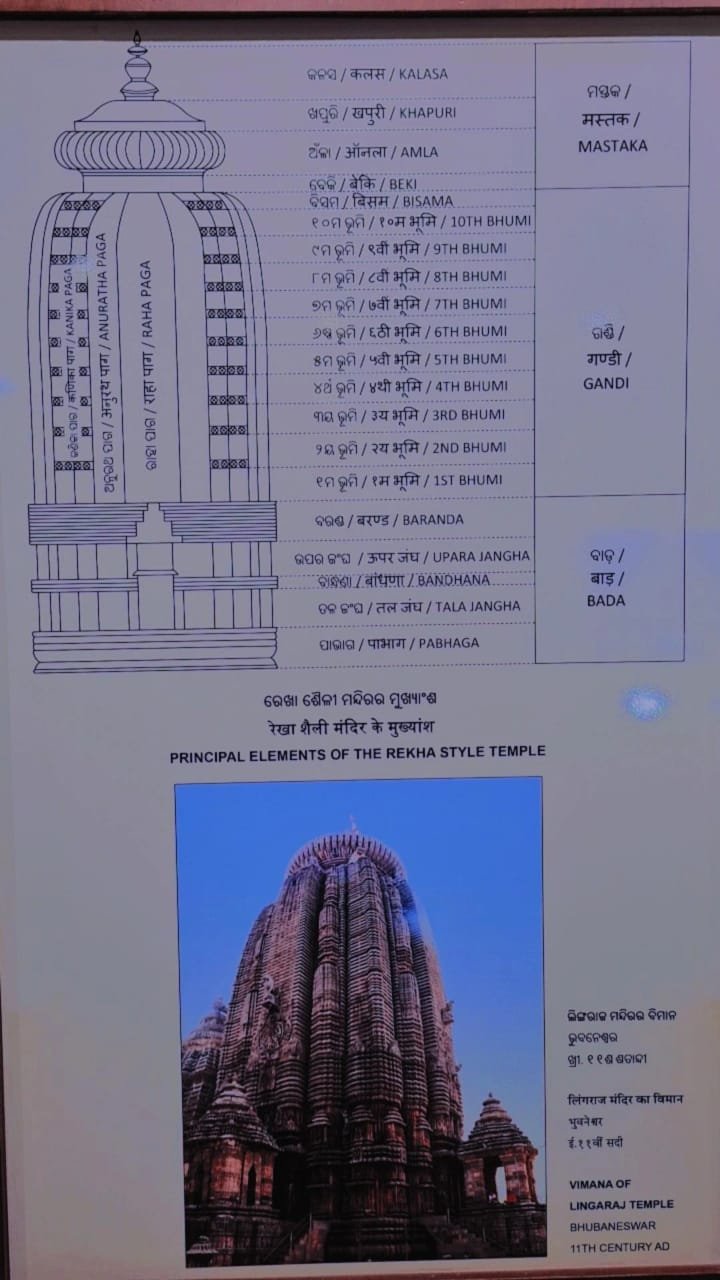
The main temple at Konark, locally called the deul, no longer exists. It was surrounded by subsidiary shrines containing niches depicting Hindu deities, particularly Surya in many of his aspects. The deul was built on a high terrace. The temple was originally a complex consisting of the main sanctuary, called the rekha deul, or bada deul (lit. big sanctum).] In front of it was the bhadra deul (lit. small sanctum), or jagamohana (lit. assembly hall of the people) (called a mandapa in other parts of India. The attached platform was called the pida deul, which consisted of a square mandapa with a pyramidal roof. All of these structures were square at their core, and each was overlain with the pancharatha plan containing a variegated exterior. The central projection, called the raha, is more pronounced than the side projections, called kanika-paga, a style that aims for an interplay of sunlight and shade and adds to the visual appeal of the structure throughout the day. The design manual for this style is found in the Silpa Sastra of ancient Odisha.
Konark, also referred to in Indian texts by the name Kainapara, was a significant trading port by the early centuries of the common era. The current Konark temple dates to the 13th century, though evidence suggests that a sun temple was built in the Konark area by at least the 9th century. Several Puranas mention Surya worship centers in Mundira, which may have been the earlier name for Konark, Kalapriya (Mathura), and Multan (now in Pakistan). The Chinese Buddhist pilgrim and traveler Hiuen-tsang (also referred to as Xuanzang) mentions a port city in Odisha named Charitra. He describes the city as prosperous, with five convents and “storeyed towers that are very high and carved with saintly figures exquisitely done”. Since he visited India in the 7th century, he could not have been referring to the 13th-century temple, but his description suggests either Konark or another Odisha port city already featuring towering structures with sculptures.
According to the Madala Panji, there was at one time another temple in the region built by Pundara Kesari. He may have been Puranjaya, the 7th-century ruler of the Somavasmi Dynasty.
The current temple is attributed to Narasimhadeva I of the Eastern Ganga dynasty, r. 1238–1264 CE– . It is one of the few Hindu temples whose planning and construction records written in Sanskrit in the Odia script have been preserved in the form of palm leaf manuscripts that were discovered in a village in the 1960s and subsequently translated. The temple was sponsored by the king, and its construction was overseen by Siva Samantaraya Mahapatra. It was built near an old Surya temple. The sculpture in the older temple’s sanctum was re-consecrated and incorporated into the newer larger temple. This chronology of temple site’s evolution is supported by many copper plate inscriptions of the era in which the Konark temple is referred to as the “great cottage”.
According to James Harle, the temple as built in the 13th century consisted of two main structures, the dance mandapa and the great temple (deul). The smaller mandapa is the structure that survives; the great deul collapsed sometime in the late 16th century or after. According to Harle, the original temple “must originally have stood to a height of some 225 feet (69 m)”, but only parts of its walls and decorative mouldings remain.
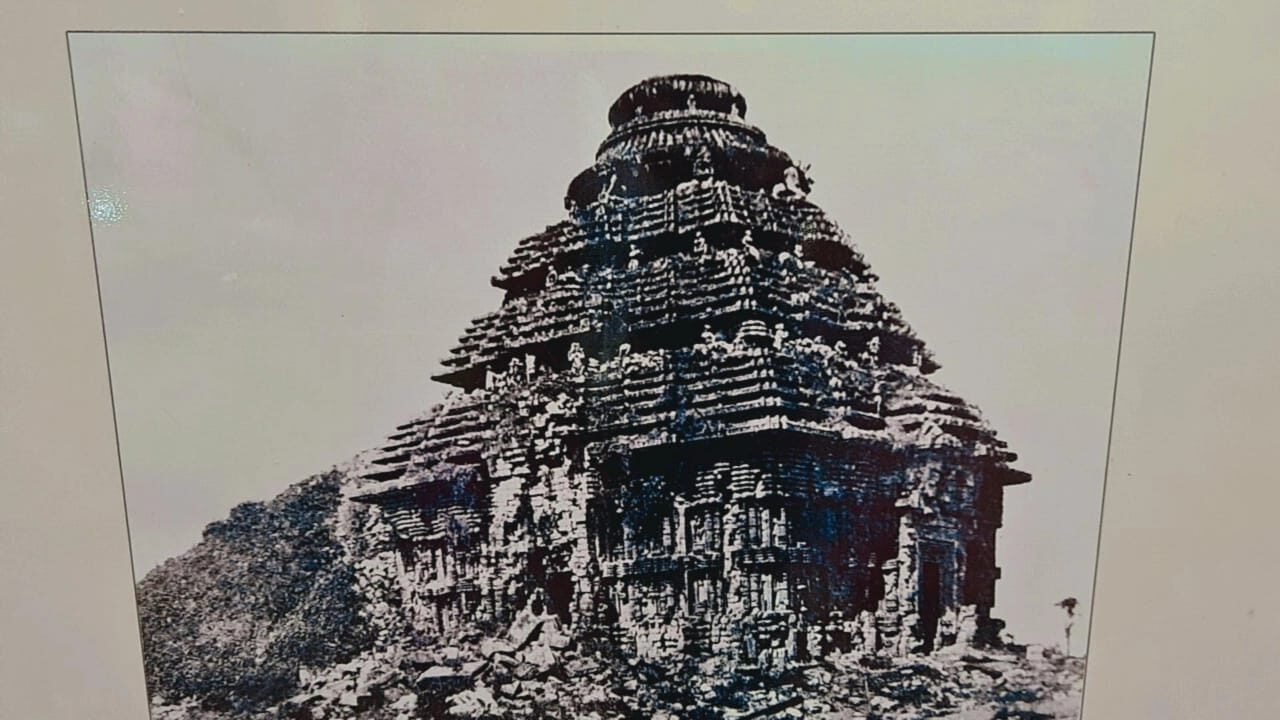
The temple was in ruins before its restoration. Speculation continues as to the cause of the destruction of the temple. Early theories stated that the temple was never completed and collapsed during construction. This is contradicted by textual evidence and evidence from inscriptions. The Kenduli copper plate inscription of 1384 CE from the reign of Narasimha IV seems to indicate that the temple was not only completed but an active site of worship. Another inscription states that various deities in the temple were consecrated, also suggesting that construction of the temple had been completed. A non-Hindu textual source, the Akbar-era text Ain-i-Akbari by Abul Fazl dated to the 16th century, mentions the Konark temple, describing it as a prosperous site with a temple that made visitors “astonished at its sight”, with no mention of ruins. 200 years later, during the reign of the Marathas in Odisha in the 18th century, a Maratha holy man found the temple abandoned and covered in overgrowth. The Marathas relocated the temple’s Aruna stambha (pillar with Aruna the charioteer seated atop it) to the Lion’s Gate entrance of the Jagannath Temple in Puri.
The Konark Sun Temple complex has ruins of many subsidiary shrines and monuments around the main temple. Some of these include
- Mayadevi Temple – Located west- been dated to the late 11th century, earlier than the main temple
- Vaishnava Temple – Located southwest of the so-called Mayadevi Temple, it was discovered during excavations in 1956. This discovery was significant because it confirmed that the Konark Sun Temple complex revered all the major Hindu traditions, and was not an exclusive worship place for the saura cult as previously believed
- Kitchen – This monument is found south of the bhoga mandapa (feeding hall). It, too, was discovered in excavations in the 1950s.
- Well 1 – This monument is located north of the kitchen, towards its eastern flank ,was probably built to supply water to the community kitchen and bhoga mandapa. Near the well are a pillared mandapa and five structures, some with semi-circular steps whose role is unclear.
- Well 2 – This monument and associated structures are in the front of the northern staircase of the main temple, with foot rests, a washing platform, and a wash water drain system. It was probably designed for the use of pilgrims arriving at the temple.
Texts from the 19th century do mention ruins, which means the temple was damaged either intentionally or through natural causes sometime between 1556 and 1800 CE. After the Sun Temple ceased to attract faithful, Konark became deserted, left to disappear in dense forests for years.
According to Thomas Donaldson, evidence suggests that the damage and the temple’s ruined condition can be dated to between the late 16th century and the early 17th century from the records of various surveys and repairs found in early 17th-century texts. These also record that the temple remained a site of worship in the early 17th century. These records do not state whether the ruins were being used by devotees to gather and worship, or part of the damaged temple was still in use for some other purpose.
Fall of the Konark Sun Temple
Many theories explain the fall of the temple in their own way.
As per one theory, part of the Konark temple collapsed because of its incomplete structure. The Konark Sum Temple was not completed because of the early death of the king Langula Narasimha Dev who initiated the construction of the temple.
Next is the theory of lodestone (piece of the mineral magnetite that is naturally magnetized) located at the top of the temple. The lodestone’s placement caused a huge damage to the temple as many vessels passing through the Konark Sea were attracted towards it. Also, this magnet used to disturb the compass of almost all the ships in the sea. So, to remove the cause of the trouble, Portuguese voyagers stole the lodestone. The displacement of the lodestone led to total imbalance and so the Konark temple fell down. But there is no historical record either of this event or presence of such a great lodestone at Konark.
As per another very popular theory, the temple was destroyed by Kalapahad (Kalapahad was the title given to a Muslim governor Sultan Sulaiman Karrani of Bengal) who invaded Orissa in 1508. He had also destroyed many other Hindu temples in Orissa along with the Konark Sun Temple. In 1568, Muslims started ruling Orissa and destroyed many Hindu temples.
How to reach
By Air -Reaching Konark is not difficult as this town is well connected to all the major parts of India by road, rail as well as air. Bhubaneswar airport is the nearest airport that is well linked and has regular flights from all parts of the country. This airport is at a distance of 64 km from Konark.
By Rail –The railway stations closest to Konark are there in the twin cities of Puri and Bhubaneswar.
By Road -An extensive road network connects Konark with the rest of the India via National as well as State Highways
10. Kalyaneshwari Temple (Asansol, West Bengal)
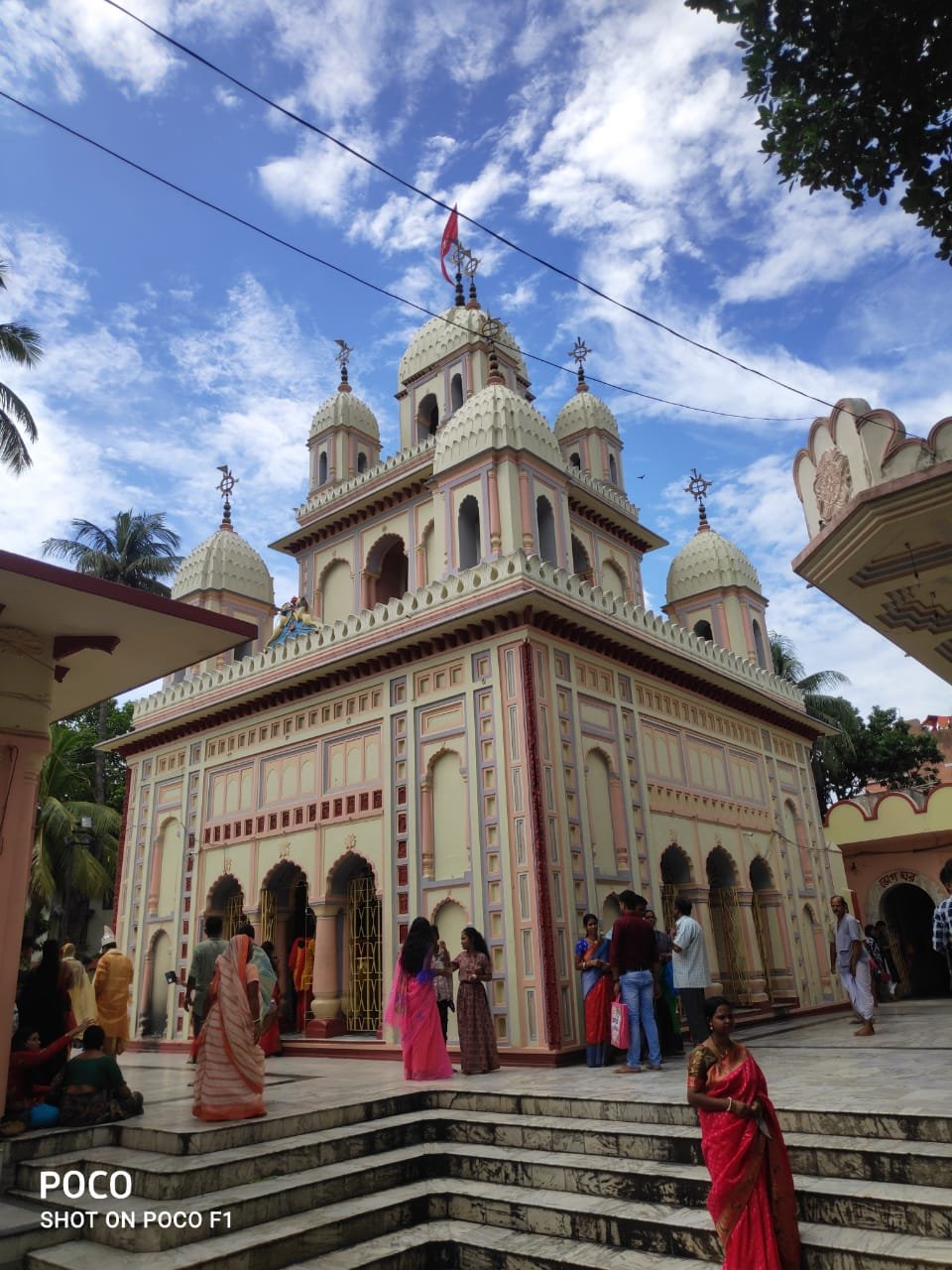
Kalyaneshwari is a 500-year-old centre of Shakti worship. Legend has it that human sacrifices were offered at Kalyaneshwari in the remote past. The present temple, however, is not very old and was constructed by Sri Gurudin Prasad Pal. The temple of Goddess Kalyaneshwari is believed to fulfill the wishes of childless women
The temple, located on the banks of Barakar River, is about 5 kilometres (3.1 mi) downstream from Maithon Dam of Damodar Valley Corporation.
According to history, the Kalyaneshwari temple was built in the 3rd century by the king of Panchkot. It is believed that the foremost structure of this Hindu temple was originally constructed by Maharaja Hari Gupt who was fleeing from the Kushanas in the 3rd century AD. However, the old temple started getting ruined. Later, some five centuries back it was renovated by the king of Panchkot which took him nearly five years to restore the temple completely.
Various myths and legends revolve around the actual origin of this temple. Some believe that the temple was constructed on the site where one of the body parts of Goddess Parvati fell when it was slashed into pieces by Lord Vishnu’s Sudarshan Chakra while anguished Lord Shiva was carrying her on his shoulder.
Another legend says that once there had been a delay in offering food to the goddess by a priest who used to worship the goddess and perform puja on a regular basis in the temple. The priest left his daughter in the temple and kept some rituals incomplete in order to arrange the Bhog or the Prasad and after his return the priest found the goddess has killed his daughter and accepted to take her as a sacrifice.
The grief-stricken and shocked priest condemned the deity for her thoughtlessness towards his sincere dedication. Realizing the truth, the goddess apologized for her mistake and blessed the priest with another child. It is said that from that time onwards the goddess also promised to bless all the unfruitful ladies who visit this place of worship with their prayers, great devotion and pious mind. Besides this story, some other historical legends also say that this temple was the dwelling place of dacoits in the dense forest. Several years back, those dacoits used to kill humans and offer them to the Goddess as a form of sacrifice.
The villagers strictly observe the sacred ritual of offering animal sacrifice (goat) before or on the day of their son’s or daughter’s marriage without fail to seek the blessings for their child in return.
Places to Visit Near Kalyaneshwari Temple -Besides the holy nature of the place, it is also a very good sightseeing tourist spot. One can visit the famous Maithon Dam that is very close to the road that leads to the Kalyaneshwari temple.
Maithon Dam – The name “Maithon” is derived from Maithan or commonly known as Mai-Ka-Than (in Hindi) and in Bengali, popularly known as ‘Maa-Er-Than’. The term “sthan” has transformed to “than” due to local pronunciation, which refers to ‘place’. The ‘than’ or place of Mai or Ma or mother, refers to Maa Kalyaneshwari of the famous Kalyaneshwari temple which exists gracefully in the foothill of Maithon Hill.
How to reach
By Road: The temple is situated in Asansol, Bardhaman district of the Indian state of Kolata. It is 181 km from Ranchi, 231 km from Kolkata
By Train – It is quite close to the Barakar railway station
By Air – The nearest airport is in Andal at a distance of 50 kms.
11. Mayapur (Mayapur, West Bengal)
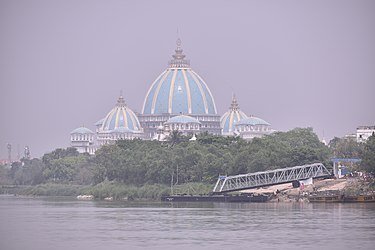
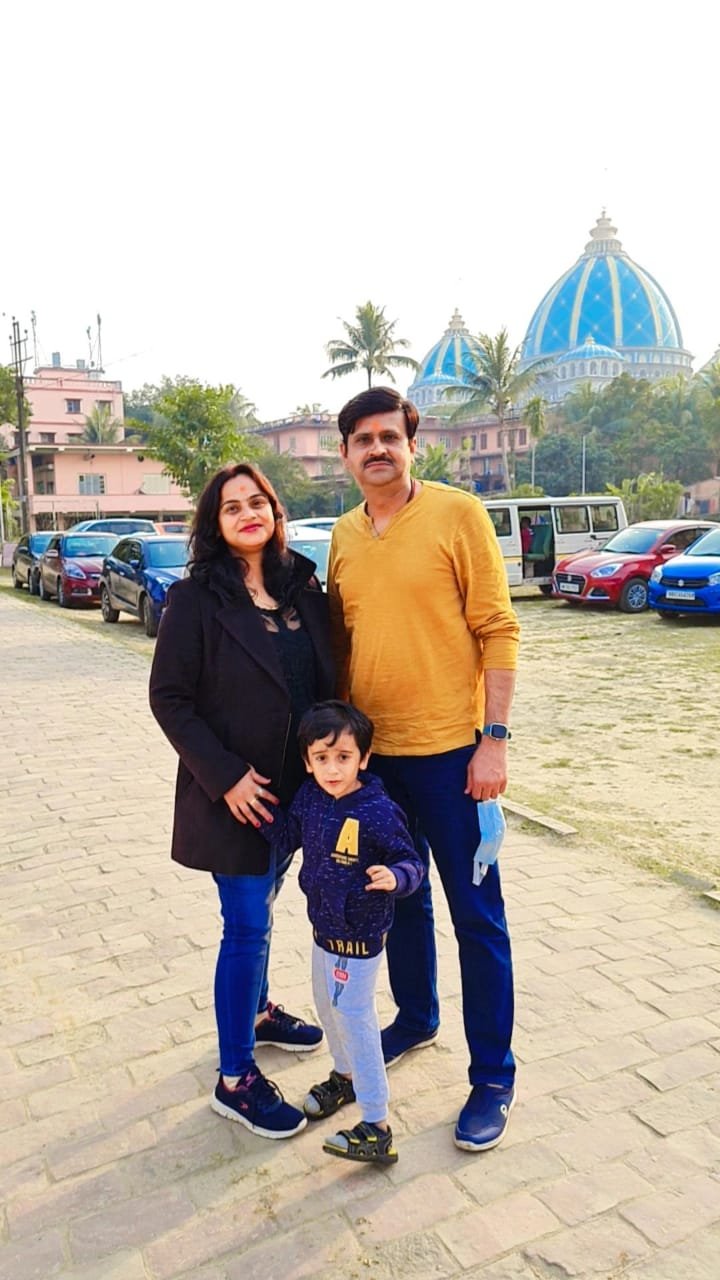
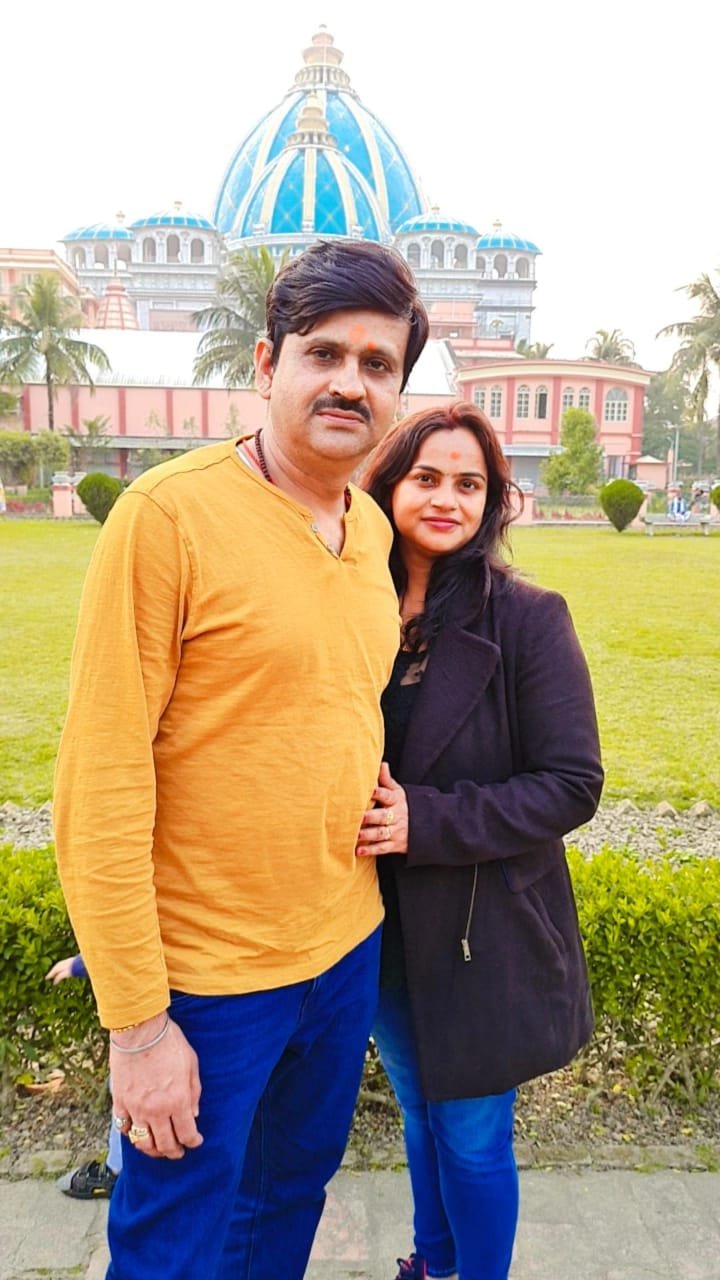
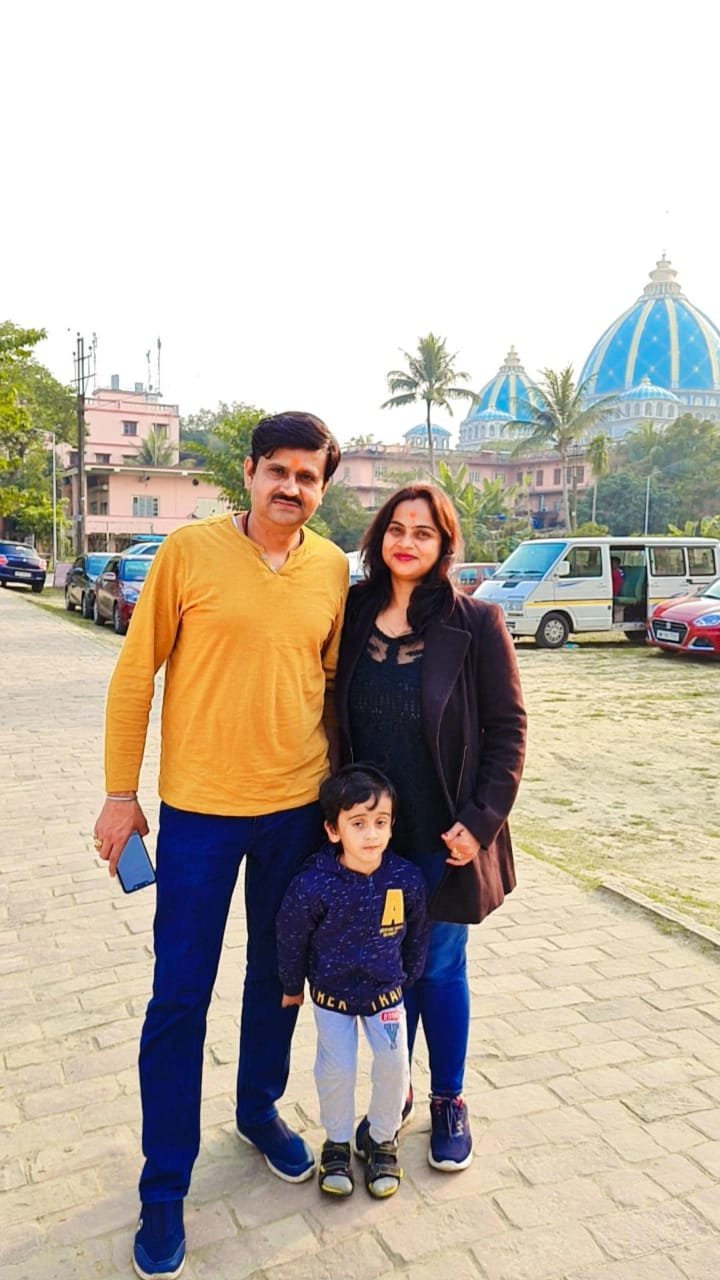
Mayapur (Mayāpura), previously known as Miyapur, is a neighbourhood of Bamanpukur, in the Nabadwip CD block in the Krishnanagar Sadar subdivision of the Nadia district in the state of West Bengal, India. It is situated adjacent to Nabadwip, at the confluence of two rivers, where the waters of the Jalangi River mix with Bhagirathi, a distributary of the Ganges. It is located about 130 km north of Kolkata. Along with Nabadwip, it is considered a spiritual place by the adherents of Gaudiya Vaishnavism.
In the 20th century, the Gaudiya Vaishnava reformer Bhaktivinoda Thakur proclaimed this place as Mayapur.
It is said to be the birthplace of Chaitanya Mahaprabhu. It is said that Krishna appeared along with his brother Balarama, as Chaitanya Mahaprabhu and Nityananda Prabhu. These two brothers appeared just for the fallen conditioned souls of this Kali Yuga to bestow on them the greatest blessings of Harinama Sankirtan based on the teachings of Bhagvad Gita and Shrimad Bhagavatam. Along with their associates, the Pancha Tattva, they distributed the divine Love of Godhead to anyone and everyone without seeing any qualifications or disqualifications.
It is said to be the birthplace of Chaitanya Mahaprabhu. It is said that Krishna appeared along with his brother Balarama, as Chaitanya Mahaprabhu and Nityananda Prabhu. These two brothers appeared just for the fallen conditioned souls of this Kali Yuga to bestow on them the greatest blessings of Harinama Sankirtan based on the teachings of Bhagvad Gita and Shrimad Bhagavatam. Along with their associates, the Pancha Tattva, they distributed the divine Love of Godhead to anyone and everyone without seeing any qualifications or disqualifications.
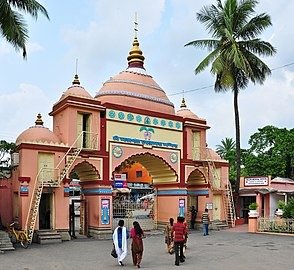
There are a number of Gaudiya Vaishnava organizations in Mayapur. Thus, the headquarters of the International Society for Krishna Consciousness (ISKCON) is situated in Mayapur. The town is heavily centered on this particular Vaishnava religious tradition with temples devoted to Radha and Krishna or Gaura-Nitai throughout.
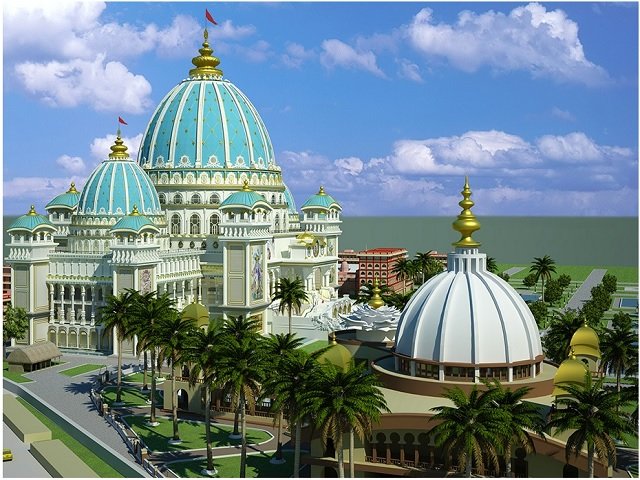
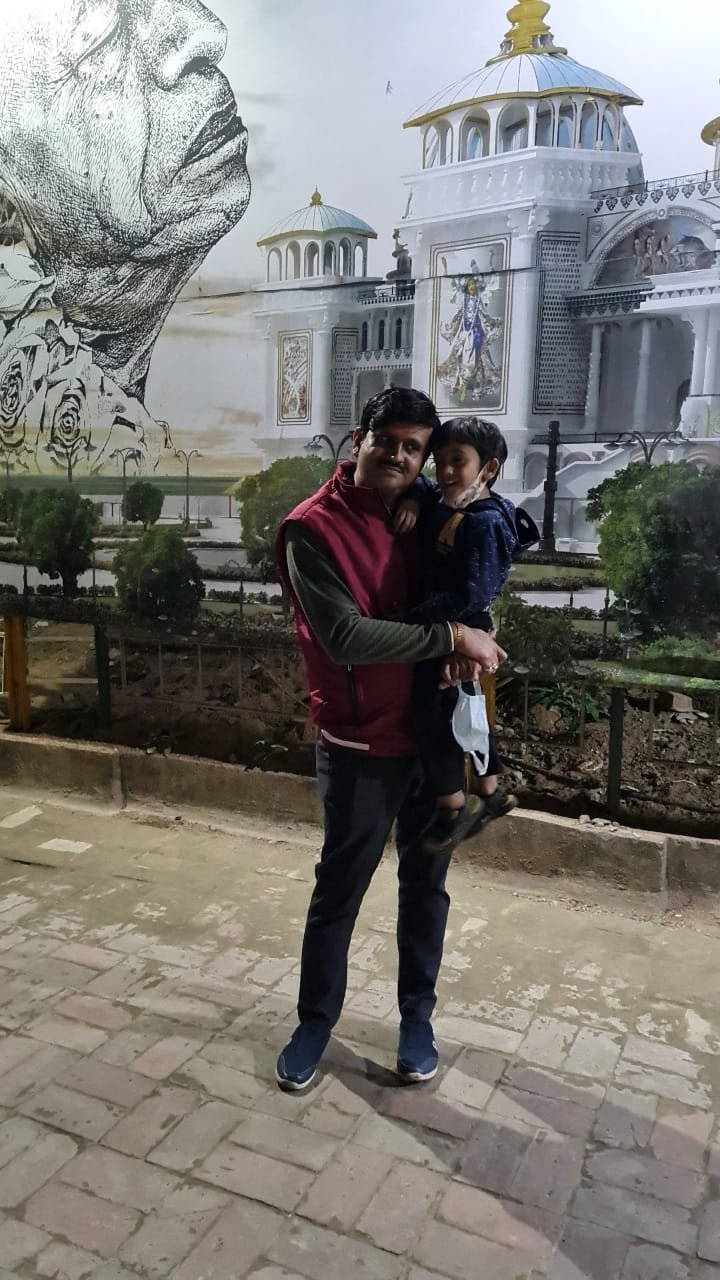
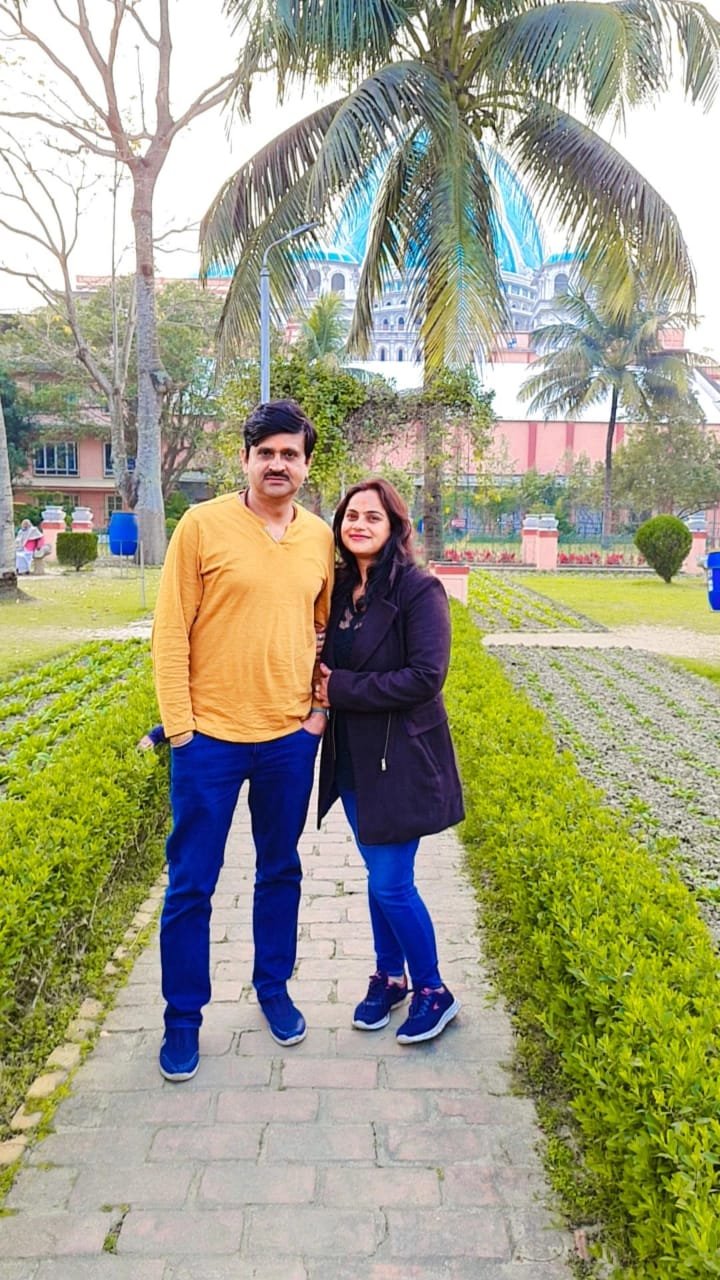
he main attraction in Mayapur is the Temple of Vedic Planetarium built by ISKCON which is the world’s largest temple. Also there is Srila Prabhupada’s Pushpa Samadhi Mandir, a memorial to ISKCON’s founder. The main shrine is surrounded by a museum depicting Srila Prabhupada’s life, using fiberglass exhibits. Mayapur Chandrodaya Mandir or the main temple has 3 main altars, Sri Sri Radha Madhava, Panca-tattva and Lord Narasimha Deva. These Pancha Tattva deities are the largest deities of Pancha Tattva in the world. The Panca-tattva comprises Sri Chaitanya Mahaprabhu, Nityananda Prabhu, Advaita Acharya, Gadadhara Pandit, and Srivas Thakur.
The term “Hare Krishna”, or The Hare Krishna Movement™ Organization, formally The International Society for Krishna Consciousness (ISKCON), is the orthodox core of Hinduism. It was registered in the West (in New York) in July 1966, but dates back over 5000 years. Lord Chaitanya Mahaprabhu (1486-1532) popularized the movement all over India.
The International Society for Krishna Consciousness (ISKCON), also known as The Hare Krishna Movement™ Organization, was founded by His Divine Grace A.C. Bhaktivedanta Swami Prabhupada. ISKCON follows the teachings of the Vedas and the Vedic scriptures.
Mayapur is situated in an area somewhere in the middle of the rivers Hoogly and Jalangi and is one of the main of the nine islands of the Chaitanya Mahaprabhu’s dham Nabadwip. It is located 130 km from kolkata and well connected by roads and rail networks from there.
Place to Visit in Mayapur
Srila Prahupada Pushpa Samadhi Mandir
Prahupada Museum
Mayapur Chandrodaya Mandir
Sri Caitanya Mahaprabhu’ S Birthplace
Srivas Angan
Advaita Bhavan
Caitanya Math – Radha Kund, Shyama kund Darshan, Govardan, Bhakti Siddhanta Saraswati Thakur Samadi, Sri Sri Radha Gandarvika Giridhari darshan.
500 yr old deities of Jagannath, Baladev & Subadra.
How to Reach
By Train – From Howrah station, If you are catching a train at Howrah, a less-crowded train to catch is Intercity express, which leaves Howrah at about 3pm (the train does not operate on Sundays.) It reaches Nabadwip Dham by about 5:45pm.
Once you reach Nabadwip Dham station, you have to take a rikshaw to Mayapur Ghat and then get on a boat to cross over the Ganga to reach Hular Ghat at Mayapur. Take a rikshaw to come to ISKCON’s Mayapur Chandrodaya Mandir.
By Bus –ISKCON Kolkata operates buses thrice a week, on Fridays, Saturdays and Sundays. The bus takes passengers from the Kolkata temple straight to Sri Mayapur.
By Air – Netaji Subhash Chandra Bose International Airport at Kolkata is the nearest airport to Mayapur
12. Maata Sarvamangla Temple (Burdwan, West Bengal)
The idol of Mata Sarbamangala is very old (approx. 2500 years) from time immemorial, people felt the existence of it in old literatures and holy books. This is an idol of Mata Durga with eighteen hands and bestowed on Lion “MAHISHA MARDINI” and is the first NABARATNA Temple in the undivided Bengal. The structure of the Temple manifests the unique blending of art and architecture of Terracotta style and popular architecture of the then Bengal. The historians have graciously depicted the historical importance and the archaic value of the Temple. The Sarbamangala Temple is historically important tourist place in Burdwan District.
From this point of view the age of creation of this deity is more than two thousand five hundred years ago. The name of weapons are – Lotus, Conch, Axe, Arrow, Hammer, Bow, Sword, Shield, Thunder, Wheel, Bell, Snake, Kamandalu, Bead, Rod, Pierce and Sakti i.e. advent of the DEITY was taken from the idea of CHANDI and therefore the time of appearance of this DEITY SARBAMANGALA is before two thousand five hundred years. From the CHANDIMANGAL KAVYA of Mukunda Chakroborty and from the poem of Bharat Chandra Roy it is found that the DEITY SARBAMANGALA is not only devi of Burdwan, SHE is the Mother of Garh. In the year 1740-1744, the DEITY, was installed in a beautiful Temple adorned with NAVARATNA DEUL on the roof of the Temple. The architecture was originally taken from PAL style. Before installation in this Temple, the DEITY was fixed somewhere at Burdwan town on the bank of river BANKA or DAMODAR in Western part of Burdwan. During the attack of KALAPAHAR, perhaps, the priests of the DEITY SARBAMANGALA was taken from its original Temple and merged in one pond at BAHIR SARBAMANGALA MOUZA to save the DEITY and there after lime manufacturers got the DEITY along with the ingredients of lime. When the ingredients of lime were burnt they found that all snails, oysters and cockle were burnt to white ashes but the stone was as it was. The place where from the DEITY SARBAMANGALA was collected by the lime manufacturers is called now BAHIR SARBAMANGALA PARA.
How to Reach: Burdwan is well connected by trains from Howrah and Sealdah. It is around 4 kms away from Burdwan station.
13. Maa Tarini (Keonjhar, Odisha)
Maa Tarini is one of the embodiments of Shakti and is one of the chief presiding Goddesses in Odia culture. Her chief shrine is in Ghatgaon, Keonjhar District, Odisha, India.
Maa Tarini is the presiding deity for all Shakti and Tantra peeths or shrines in Odisha. The origin of Shakti or worship of the Earth as a female embodiment of power is found across many cultures all over the world. In Odisha which has a high density of tribal population whose religious practices have been assimilated into the mainstream Hindu faith, the worship of natural formations such as rocks, tree trunks, rivers is widespread among the tribes.
Maa Tarini is always depicted as a red face with two large eyes and a mark in the middle which serves as an indication for a nose and also a tilak. This primitive conception is symbolic of the simplicity of tribal beliefs and ceremonies. The red colour has been attributed to dyes made out of iron ores or ocher which are quite plentiful in the state and would thus have been used by the tribes for anointing and decorating the sacred figures of worship. The ornate letters in the background mean “Maa” or Mother in the Odia language. They were a much later addition although the Odia script did change very slightly over the millennia.
In this form she is very similar to the conception of the Goddess Kali at Kalighat. Although the two are embodiments of the same divinity, Kali is the goddess of death and destruction whereas Maa Tarini is the force of life. Two of the names of Kali are Maa Tara and Maa Tarini. The hill shrine of Maa Tara Tarini the breast shrine of adi Shakti in Ganjam district of Odisha represents the force of Both Kali and Tarini and known as Maa Tara Tarini.
The exact sequence of events which led to the installation of the goddess at her chief shrine in Ghatagaon are still a matter of debate among historians. The reason is that the events have been recorded by poets in devotional works dedicated to her which thus also include some mythological events. Nevertheless, the gist is as below:
Near about 1475 A.D. King Purusottam Dev ruled Kalinga. Once on a trip to South India he chanced upon Princess Padmavati of Kanchi and proposed marriage. The proposal was accepted and the minister of the king of Kanchi traveled to Puri to finalise the arrangements. The Rath Yatra was in full swing and he saw the king sweeping the chariots of the deities. Marriage to a sweeper was unacceptable and hence the marriage was called off. Insulted, the King of Puri declared war on Kanchi. He was defeated in the first war. He prayed to Lord Jagannath and it is believed that he was directed to appoint one Govinda Bhanja as his Senapati or General of his army. Bhanja was in fact the son of then the king of Keonjhar and was staying in Puri because of differences with his father.
Under the command of Bhanja, the army marched towards Kanchi. In the forests near Vijayanagar, the horse of Bhanja refused to move any further. Whatever may be the real reason it is here that Bhanja and thus Hindu society as a whole was introduced to Maa Tarini and she was admitted into the Pantheon.
In the Ramayana, after Sita was abducted by Ravana, Lord Rama and his brother Lakshmana started searching for her. When they reached the forest, near which later Vijayanagar was founded, Rama worshipped Devi Durga and sought her help. The goddess instructed Rama while he was meditating that he must not see her when she appears or she will turn to stone. Rama could not control himself and saw her and the goddess was embodied as a stone idol. She told Rama not to worry and call her later when she would definitely aid him.
This second puja was performed by Ravana himself near Rameswaram before the Vanara Sena could cross over to Lanka. Ravana was deemed fit because this ceremony was performed in order to achieve victory in the war to follow. In order to defeat a warrior like Ravana, the performer had to be a Brahmin who performed the ritual of Trisandya everyday without fail. At that time, Ravana was the only such Brahmin in all of Creation.
After Lord Rama left, the stone idol was worshiped by the local tribes. Thus the ancient tribal goddess was described as a Hindu goddess.
Bhanja thus worshiped the goddess for her blessings in the war to follow. Bhanja was victorious and both the princess and the goddess were brought back to Puri. After the king of Keonjhar died, Bhanja returned to his state and took the idol of the goddess with him.
Mythological accounts hold that Maa Tarini agreed to follow Bhanja provided he never looked backed all the way from Puri to Keonjhar. Bhanja agreed and the two left on horseback. Near the Baitarini river in modern Keonjhar district, Bhanja could no longer hear the following horse. He looked back and Maa halted then and there and asked Bhanja to construct her temple and worship her there.
How to Reach –
By Air: Nearest Airport – Biju Pattnayak Airport, Bhubaneswar (180 KM)
By Train: Nearest Railway Station Harichandanpur RailwayStation-17 KM. Kendujhargarh Railway Station – 50 KM.
By Road: 80 KM from Bhubaneswar & 50 KM from Dist.Headquarter Keonjhar.
14. Shantiniketan
Santiniketan is a neighbourhood of Bolpur town in Bolpur subdivision of Birbhum district in West Bengal, India, approximately 152 km north of Kolkata. It was established by Maharshi Devendranath Tagore, and later expanded by his son Rabindranath Tagore whose vision became what is now a university town with the creation of Visva-Bharati
In 1863, Debendranath Tagore took on permanent lease 20 acres (81,000 m2) of land, with two chhatim (Alstonia scholaris) trees, at a yearly payment of Rs. 5, from Bhuban Mohan Sinha, the talukdar of Raipur, Birbhum. He built a guest house there and named it Shantiniketan (the abode of peace).
Debendranath constructed a 60-foot × 30-foot hall for Brahmo prayers. The roof was tiled and the floor had white marble, but the rest of the structure was made of glass. From its earliest days, it was a great attraction for people from all around.
Rabindranath Tagore first visited Shantiniketan in 27 January, 1878 when he was 17 years old. In 1888, Debendranath dedicated the entire property for the establishment of a Brahmavidyalaya through a trust deed. In 1901, Rabindranath started a Brahmacharyaashrama and it came to be known as Patha Bhavana from 1925. In 1913, Rabindranath Tagore won the Nobel Prize in Literature.
Founded in 1921 by Rabindranath Tagore, Visva Bharati was declared to be a central university and an institute of national importance, in 1951.
Rabindra Bhavana, founded in 1942, just after the death of the poet, is the focal point of Visva Bharati. It has a museum, archives, library and other units. It houses a major part of Rabindranath’s manuscripts, correspondence, paintings and sketches, 40,000 volumes of books and 12,000 volumes of bound journals, photographs and numerous items associated with the poet’s life. It is generally one of the first points of interest for anybody visiting Santiniketan. It was established by the poet’s son, Rathindranath Tagore, as a memorial museum and research centre for Tagore studies.
In 2013, Visva Bharati opened a museum Guha Ghar, in the Uttarayan complex, in memory of Rathindranath Tagore.
The Ashram Complex is the oldest area of Santiniketan, where Debendranath built the Santiniketan Griha and the beautiful stained glass prayer hall, in the second half of the 19th century. Patha Bhavana came up after Rabindranath started residing in Santiniketan.
It has beautiful frescoes by Nandalal Bose. Natun Bari was built in 1902 for residential purposes. Kalo Bari is a unique structure of mud and coal tar and profusely decorated. There are numerous other houses: Dehali, Santoshalaya, Singha Sadan, Dwijaviram, Dinantika, Taladwaj, Chaitya, Ghantatala, Panthasala, Ratan Kuthi, Malancha and others – each with an interesting story that makes it historically relevant.
Visva Bharati was established as a centre for culture with the objective of exploring the arts, language, humanities, music etc. Specialised institutes came up in different fields: Cheena Bhavana, Hindi Bhavana, Kala Bhavana, Sangit Bhavana, Bhasa Bhavana, Nippon Bhavana, Bangladesh Bhavana and others. Many of these institutes with myriad structures have been decorated by illustrious artists.
Shantiniketan was founded and developed by members of the Tagore family. It was founded by Debendranath Tagore. Rabindranath Tagore wrote many of his literary classics at Santiniketan. His son, Rathindranath Tagore was one of the first five students at the Brahmacharya asrama at Santiniketan. After the death of his father in 1941, Rathindranath took over the burden of all responsibilities at Santiniketan. When Visva Bharati was made a central university in 1951, Rathindranath was appointed its first vice-chancellor.
Poush Mela – The largest and most notable fair is the Poush Mela held at Santiniketan for three days from 7 Poush. Devendranath Tagore with twenty followers accepted the Brahmo creed from Ram Chandra Vidyabagish on 21 December 1843 (7 Poush 1250 according to the Bengali calendar). This was the basis of Poush Utsav (the Festival of Poush) at Santiniketan.
In Shantiniketan, seasonal changes bring their own colors and beauties with various festivals such as Basanta Utsav and Barsha Mangal to Maghotsav and Rabindra Jayanti.
Holi, the festival of colours, is celebrated in its own style at Santiniketan – it is called Basanta Utsav and welcomes the arrival of spring. The programme starts from the morning with singing and dancing to Tagore’s tunes by the students and ends with spreading coloured powders (called ‘abir’) and expression of festive wishes. After the formal Visva Bharati programme, other programmes follow.
Barsha Mangal is celebrated with cultural programmes in July–August. Ananda Bazar is a fair for handicrafts by the students, held on Mahalaya day. Prior to leaving for the puja vacations students celebrate Sharad Utsav. Nandan Mela marks Nandalal Bose’s birth anniversary (on 1–2 December) and is a special attraction for art lovers. Briksharopan and Halkarshan emphasise man’s closeness to nature and are held on 22-23 Shraavana (August). Maghotsab, celebrating the founding of the Brahmo Samaj, is held on 11 Magh (towards the end of January). Various anniversaries and cultural programmes are organised throughout the year. 25 Baisakh (7-8 May) is the birthday of Rabindranath Tagore but his birth anniversary is celebrated along with and subsequent to the Bengali New Year (mid April onwards).
Place near to visit Shantiniketan –
- Ballabhpur Wildlife Sanctuary- Ballabhpur Wildlife Sanctuary is located 3 km from Shantiniketan and is popular as Deer Park. Established in 1977, it was a khoai area affected by soil erosion. It is now a large wooded area with herds of deer and makes a natural bird sanctuary.
2.Amar Kutir – Amar Kutir (meaning: my cottage), once a place of refuge for independence movement activists has been turned into a cooperative society for the promotion of arts and crafts. It is located on the banks of the Kopai River, about 15 kilometres (9.3 mi) from the central areas of Santiniketan.
Sonajhuri Haat- Every Saturday and Sunday, one can visit the haat (or market) at Sonajhuri, close to Shantiniketan. This is a village market and one can buy local handicrafts and listen to folk music sung by tribal groups It is an excellent place to experience the local culture of Shantiniketan
How to Reach
The nearest rail station is Bolpur railway station. Bolpur is connected to Kolkata and Howrah Junction by daily trains. Shantiniketan is situated about 1 kms from Bolpur and 152 kms from Kolkata. Shantiniketan is located in Birbhum district.