

5. Maa Hingula (Angul /Talcher, Odisha)
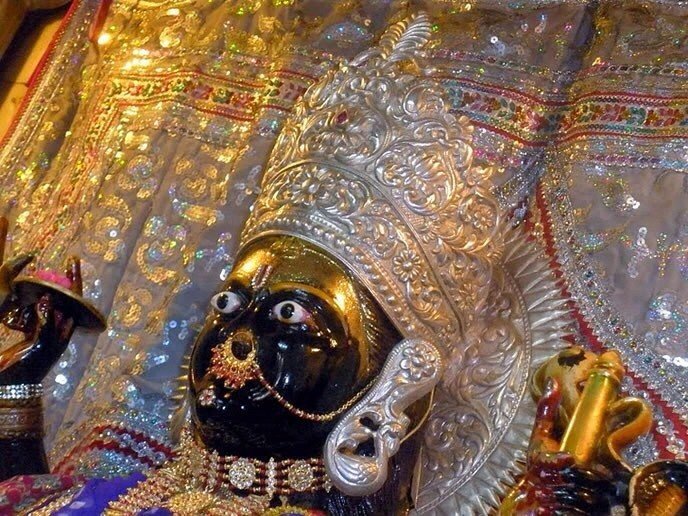
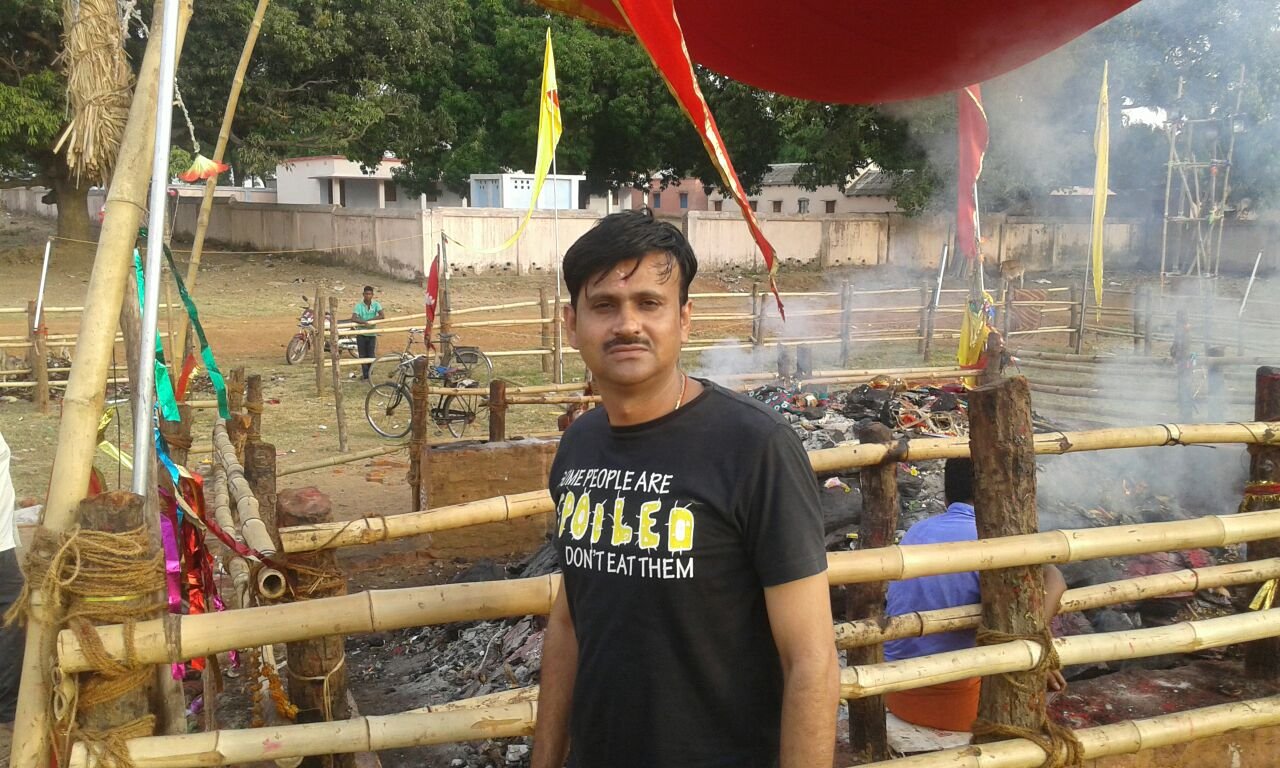
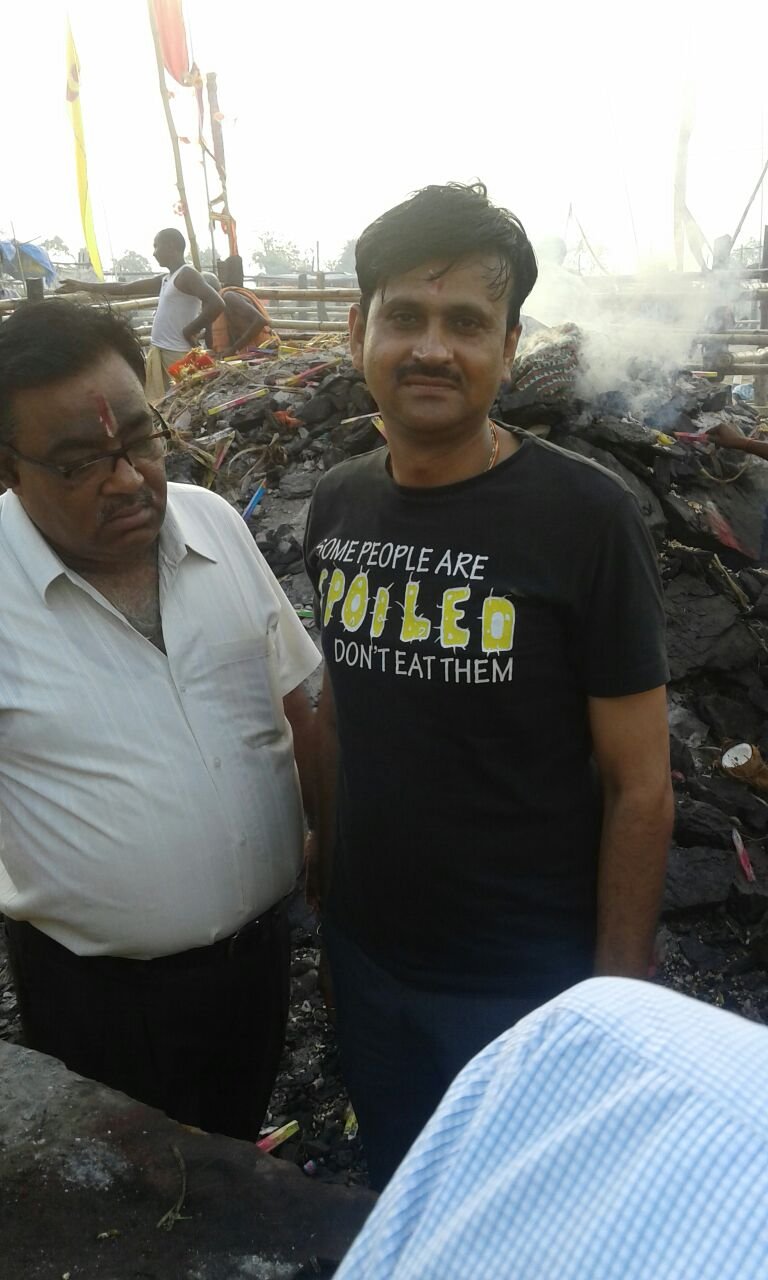
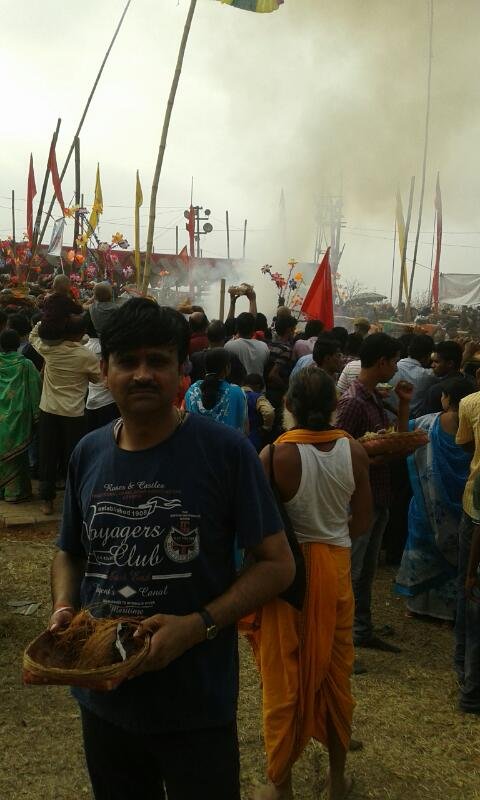
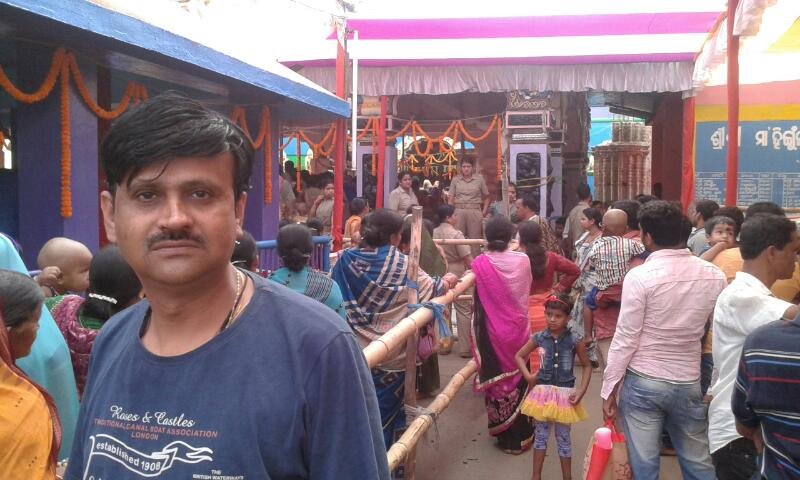
Mother Hingula is worshiped as agni (fire) in the kitchen of Lord Jagannath at Shree Mandir Puri. Goddess Hingula is worshiped at a distance of 14 from Talcher. It is believed that one can achieve his desired object if they worship or meditates on Goddess Hingula. It is also believe that cooking foods become delicious through the blessings of the Goddess. The tribal Kandha Goddess Hingula is worshiped as an integrated Goddess of the Aryans and the Non-Aryans through the process of historical evolution. Since the Goddess is still worshiped by Sabari versus the palm leaf manuscript which is being worshiped here needs further research, which may reveal important socio cultural factors of the ancient tribal life. It is described in the Mahabharata that Goddess Hingula was worshiped by King Nala of Suryavanshi. It is by her grace that king Nala was able to prepare Gouri-Sauri Paka . Thus the name of Goddess Hingula is associated with cooking with perfection. The earlier practice of animal sacrifice is no more. Now only vegetable and sweets are offered as Bhog. Hingula represents fire and every year appears in the form of flame at different places. The goddess is being worshipped in two sites, one in the Hinglaj Mata Temple and the other on a raised platform with a big applique atop tied to four wooden poles around. The platform is fenced off. On the platform, a heap of coal is set on fire. The fire stands for the goddess. The devotees after having done their Darshan of Goddess Hingula in her temple (Hinglaj Mata Temple), return to worship her at the fireplace. The offerings are thrown into the flames. In the nearby site, thousands of kids sit in tandem and a handful of barbers shave their heads.
Hinglaj Mata Temple History
- Once Dakhya, the father-in-law of Lord Shiva was organizing a ceremony of sacrifice (Yagnya). He had invited many gods, goddesses, kings of repute, saints and seers to attend the ceremony. However, he did not care to invite his daughter Parvati (Sati) and son-in-law Siva. Knowing about celebration of Yagnya, she pleaded with Siva to go to her paternal home. Siva however denied on the ground that she has not been invited.
- Though her husband denied, Parvati attended the ceremony. At the ceremony site, she was laughed at, for having married to a nude man, living in graveyard. Parvati being unable to bear humiliation of her revered husband, threw herself in the flames of the Jagnya and killed herself.
- When Siva got this news, raged in anger he dashed off Prajapati’s palace. He recovered the half burnt body of Parvati from the fire and was about to kill everybody there and destroy the whole creation. Lord Vishnu came to the place and saw that the dead body of Parvati was fueling the anger of Siva and ordered his Chakra to destroy the body.
- The weapon cut the body into 51 pieces. Wherever each piece fell down, there Mother Goddess appeared in one name or the other. Goddess Hingula is one of the 51 forms of the Goddess.This is the origin of Goddess Hingula at Talcher.
- A piece identified as Brahmandreya fell at Baluchistan of present Pakistan where shakti appeared in burning fire state. In course of time Nala Raja of Vidarbha region of western India has became the devotee Of Maa, who resided in his kingdom. In Puri When Raja decide to start ‘anna prasad’ Lord Jagannath responding to his prayer asked him to bring Hingula to manage his kitchen.
- Accordingly, Puri Raja went to Vidarbha and requested him to pray Maa to come to Puri. Nala Raja on the request of Puri Raja brought the Goddess on his wrapper in form of fire and in course of his journey reached at Gopalgarh where he took rest.
Hingula Yatra:
There is a popular belief among the local people that on this day of Visuba Sankranti Goddess Hingula appears and propitiation to her removes all evil forces. She is worshipped in the village street on her imaginary stride to the village. Offering to her includes spitted new cloth, Pana(sweet-water), butter lamp and green mangoes. Those who observe fasting, especially women are called ‘Osati’. Prior to the day of worship, the fasting worshippers (mostly men) move from village to village with the sacred-pitcher symbolising the Goddess. Their religious procession is always accompanied by singing and dancing. These worshippers are called Patuas. The man who dances with the holy-pitcher on his head wears a black skirt, a red blouse and a long piece of black cloth tightly covering the head and having equal length on both sides to flow. Those who walk on fire are known as Nian Patua and those on thorns are called Kanta Patua. Some worshippers stand on edged swords and are carried on open palanquins. They are caned Khanda Patua. Some of them show some feats in deep water. They are called Pani Patuas. Especially all these festivals are celebrated a Shiva or Shakti Shrine
How to Reach
- By Air: Biju Pattanaik Airport at Bhubaneswar is the nearest airport to Hinglaj Mata Temple. This airport is well connected to Delhi, Kolkata, Mumbai, Vishakhapatnam, Raipur, Chennai and Hyderabad. Talcher is 154 km Away from Bhubaneswar (Via Banarpal).
- By Rail: There is no direct train network to Maa Hingula’s Temple but one can reach up to Talcher (TLHR), Talcher Road(TLHD) and Angul(ANGL) station. Bhubaneswar, Puri, Angul, Talcher and Sambalpur are the major rail heads for the state.
By Road: The National Highways 23, 42, 55 and 200 pass through the state Odisha which are connected with Angul and Talcher, the two nearest places to Gopal Prasad. Regular Bus services are available to Angul and Talcher from major cities of Odisha throughout the day. Talcher is 60 km away from Dhenkanal, 154 km Away from Bhubaneswar (Via Banarpal), 182 km from sambalpur, and 200kms from Rourkela.