

12. Maa Harsiddhi (Ujjain, Madhya Pradesh)
Harsidhhi, one of the aspects of Durga is a regional Hindu goddess, popular in Gujarat, Madhya Pradesh, adjoining Maharashtra states of India.
Harsiddhi, a contracted form or, at its very least, a form of “Harshad Amba” – The Happy Mother, is considered one of the aspects of Amba and Kalika, the Hindu Devi. She is also known by the names like Harshal, Harshad, Harshat, Harsidh Bhvani.
She is worshiped as Kuldevi by many Kshatriya, Brahmin, Rajput and Vaishya communities. The Chandarana clan of Lohanas, Brahmakshatriyas, Harsana clan of Gurjars, many Jain castes as well Brahmins like Panchariya and many other communities also worship her as their Kuldevi. She is also religiously worshiped by fishermen and other sea-faring tribes and people of Gujarat as she is considered protector of ships at sea.
Harshidhhi Mata Temple also known as Harshal Mata Temple located at Gandhvi village, some 30 km away from Porbandar en route to Dwarka. The main temple was originally located on a hilltop facing the sea. It is said Krishna had worshiped her during his lifetime and has since been living atop hill called Koyla Dungar. The original temple atop the hill is said to have been built by Krishna himself. Krishna wanted to defeat the asuras and Jarasandha so he prayed to Amba Mata for power. With the blessings of the goddess, Krishna was able to defeat the Asuras. After this success, he built the temple. When Jarasandha was killed, all Yadavas over overjoyed (harshit) and they celebrated their success here. Hence the name Harshad Mata or Harsiddhi Mata. She has since been worshiped as kuldevi of Jadejas(Yadavs)
Another famous temple is located at Ujjain, which is said to have been built by famous King Vikramāditya. Vikramaditya is said to have visited Koyla Dungar at Miyani, then known as Minalpur, a port city ruled by Prabhatsen Chavda of Chawda dynasty. Vikramadiya was blessed by the Devi. He requested Harsidhhi Mata, to come to his kingdom at Ujjain, where he would worship her daily. She is also known as Vahanvati Mata.
The Harsiddhi temple is one of the 52 Shakti Peeth situated all over India. According to legend, Shiva married Sati, the daughter of Daksha, a Prajapati who was proud of his position and disliked his ascetic son-in-law. In an effort to put his son-in-law in his place, Daksha organized a yagna and deliberately did not invite Shiva. Hearing of the grand yagna, sati visited it by herself, ignoring her husband’s advice, and, furious with her father for thus deliberately ignoring her husband, cast herself into the flames lit for the yagna. Her act led to Shiva’s ganas going berserk with rage, and Shiva himself arriving at the scene and dancing the Tandava (the angry dance) with sati’s body in his arms. While Shiva was later calmed down and amends made, it is believed that parts of Sati’s body fell on earth as He danced, and each of these (totaling 52 in number) are revered as Shakti Peeth.
There is a small shrine just outside the temple dedicated to Mahamaya. This shrine is situated a little below ground level and is approachable by steps, but is closed to visitors. The importance of this shrine is a lamp which burns day and night and has been burning so for ages. The only person who enters the sanctum is the pujari who visits it several times a day for offering prayers to the goddess and maintaining the lamp.
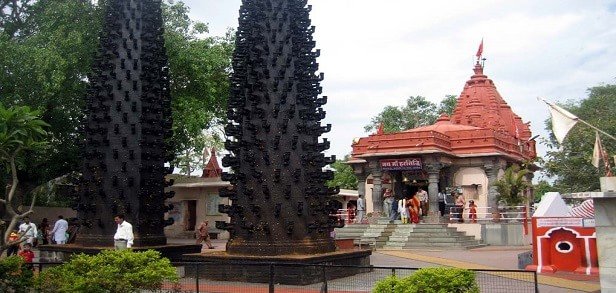
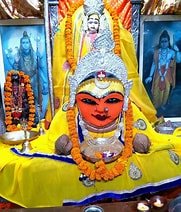
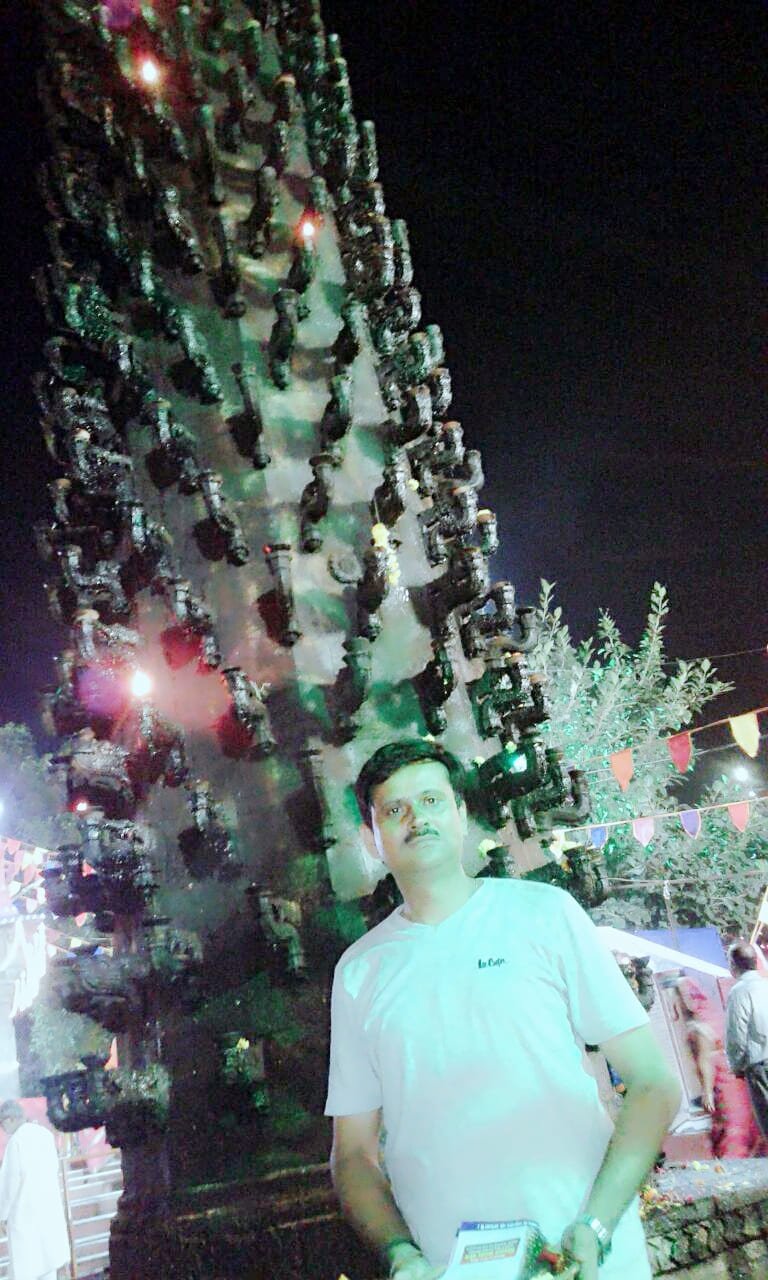
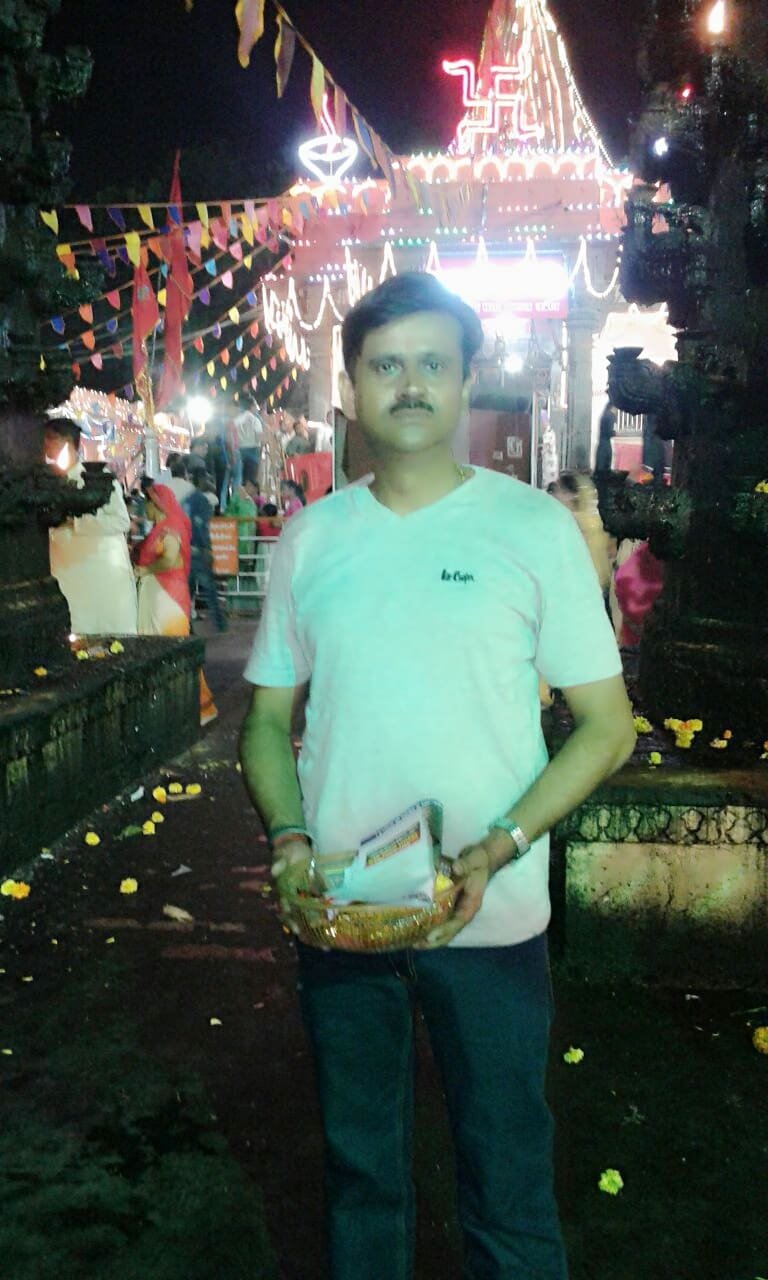
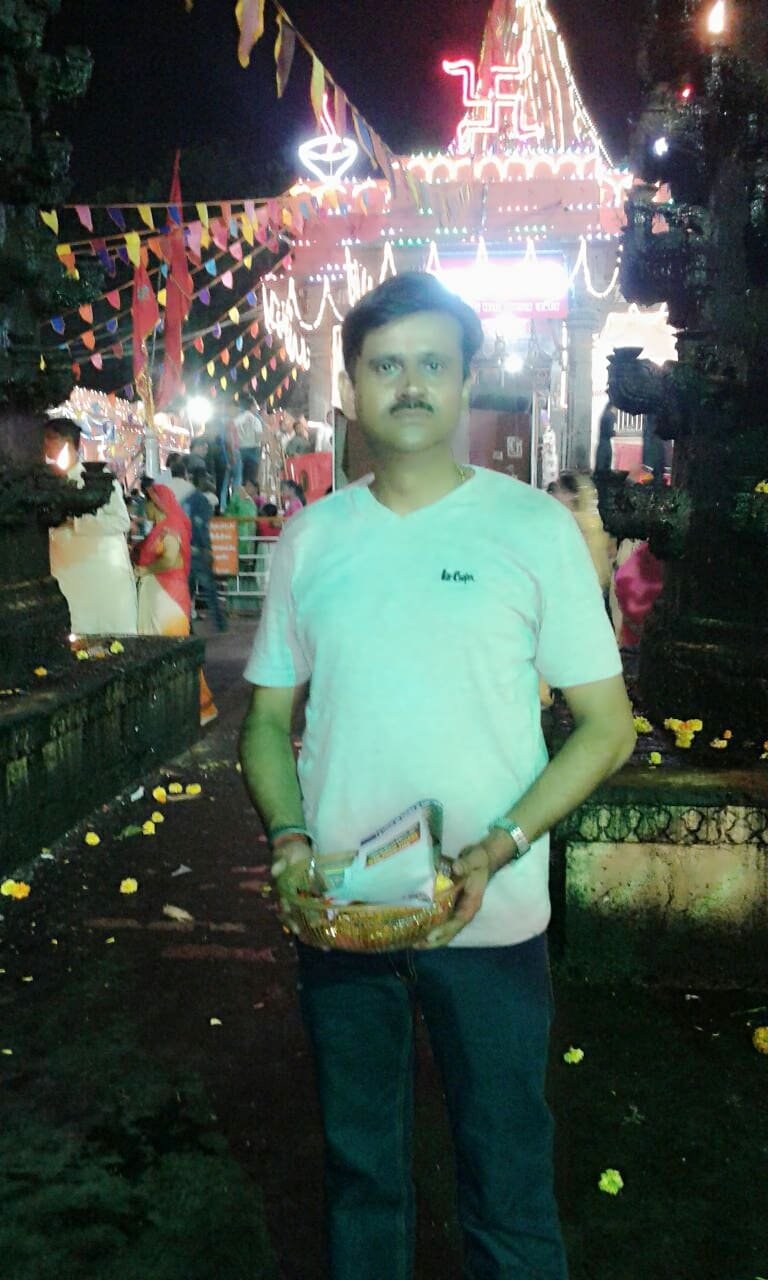
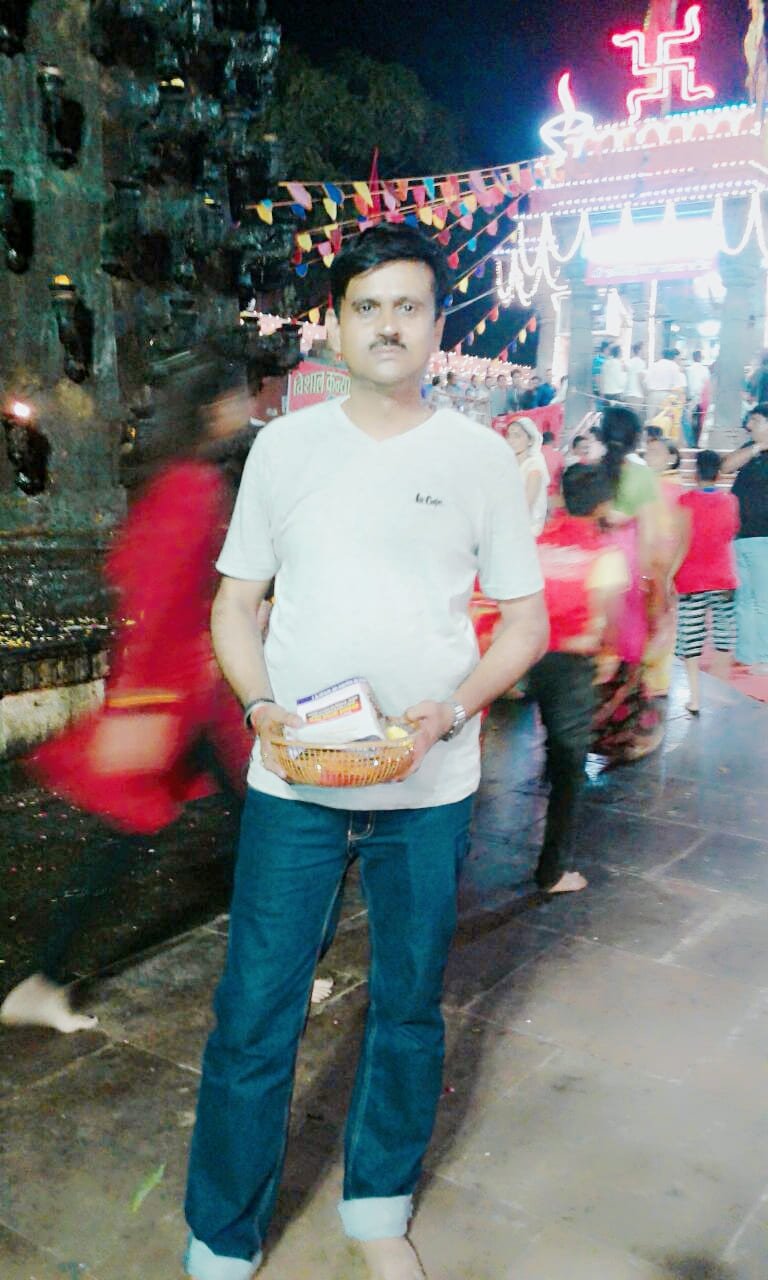
One among the shaktipeeth of Hindu Mythology, Harsiddhi Temple, in Ujjain is the abode of numerous Goddesses of Hindu Pantheon. One among the fascinating aspect of this shrine is the structure which is made up of a rock smeared with turmeric paste and vermilion. The temple turns magnificent on the eve of the Navaratri festival, when hundreds of lamps on the 15 feet lamp stand being lit together.
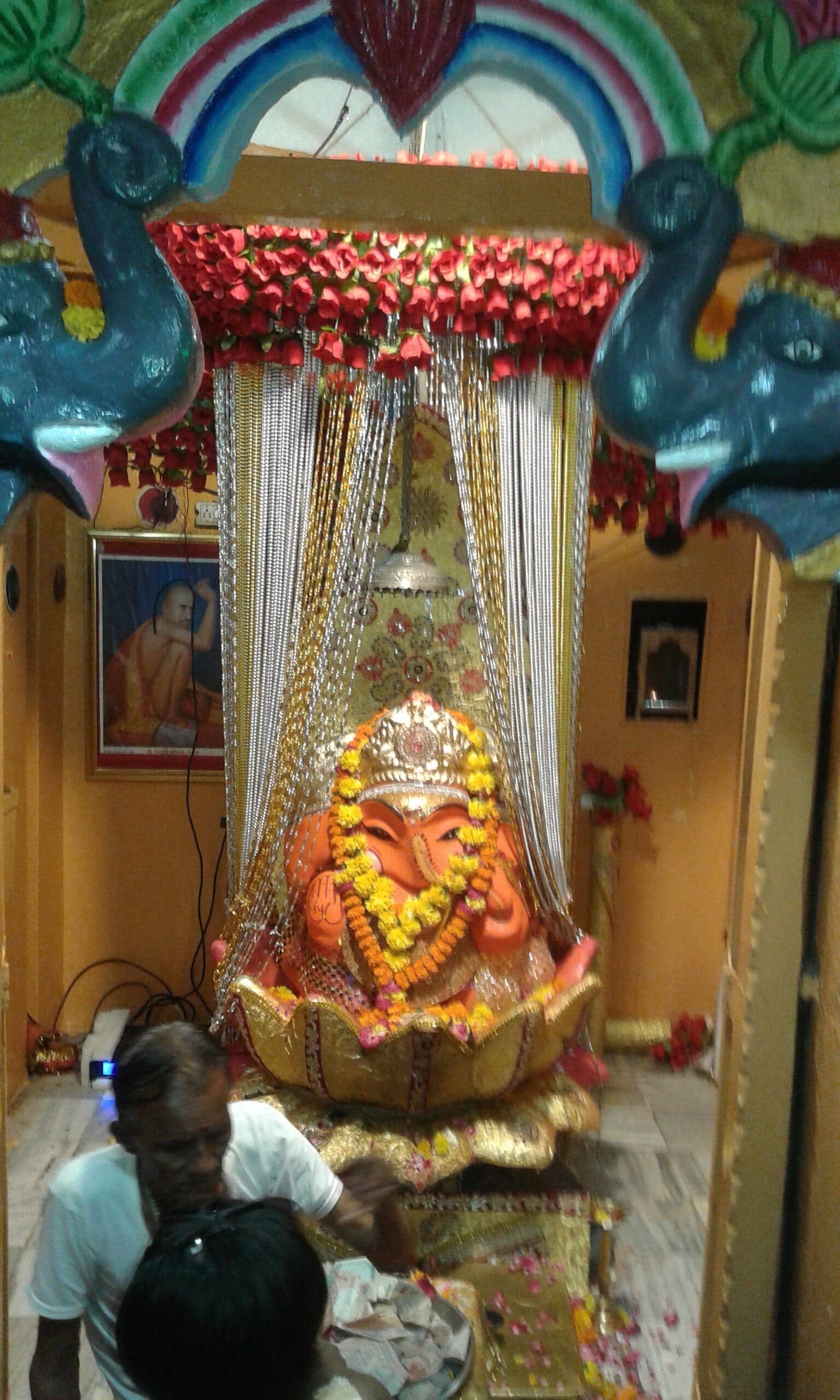
Yet another characteristic feature of the marvelous shrine is the presence of Sri Yantra, or nine triangles that represent nine names of Goddess Durga. This lovely shrine also houses images of other goddess also. The famous dark vermilion image of Annapurna, the Goddess of Nourishment, and the idol of Mahasaraswati, the Goddess of Wisdom and Knowledge are significant for their typical Maratha architecture.
One more famous temple is located in Rajpipla, where she is worshiped as Kuldevi by former princely State of Rajpipla, where she had come from Ujjain.
Another temple is located at Ladol, which was built by Jayasimha Siddharaja in 11th century. Other temples are located at Palaj, Ruppur near Chanasma, Patan, Porbandar, Indore, Jabalpur, Dwarka, Wadhwan, Aurangabad, Badod, Varvala, Lunavada, Chand Baori, Haripura, Kutch. Another Temple is located in Rajasthan at Lampolai which is Centre point of Rajasthan and it is near by Ajmer approx 60 km by road.
How to Reach –
By Air –The nearest airport to Ujjain is Ahilyabai Holkar Airport of Indore. Airplanes fly all major cities of the country. Ujjain is 55 km away from Indore.
ByRail – Ujjain is connected to all major railway stations in India. Trains run from Mumbai, Pune, Chennai, Delhi, Kolkata, Bhopal, Jaipur, Varanasi, Gorakhpur, Ratlam, Ahmedabad, Baroda, Gwalior, Hyderabad, Bangalore, Jammu and many major cities.
By Road – Ujjain is connected by public buses of state transport.