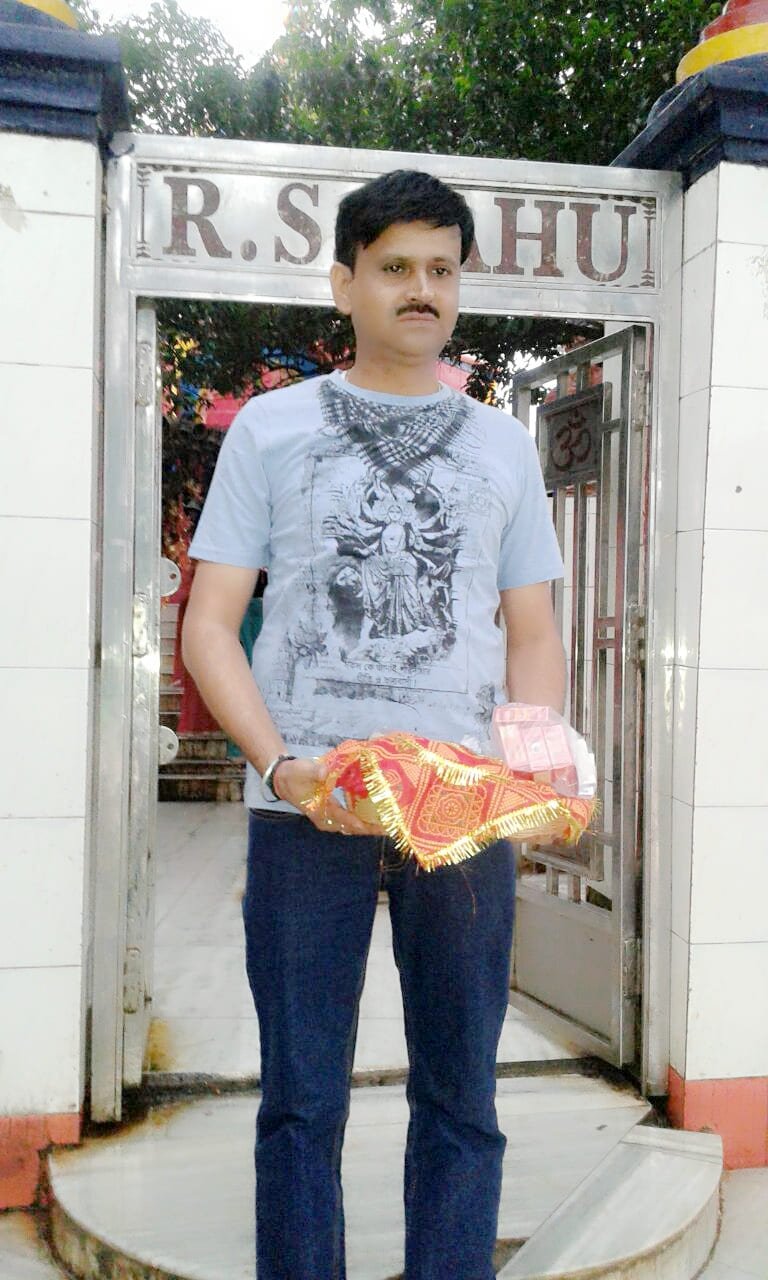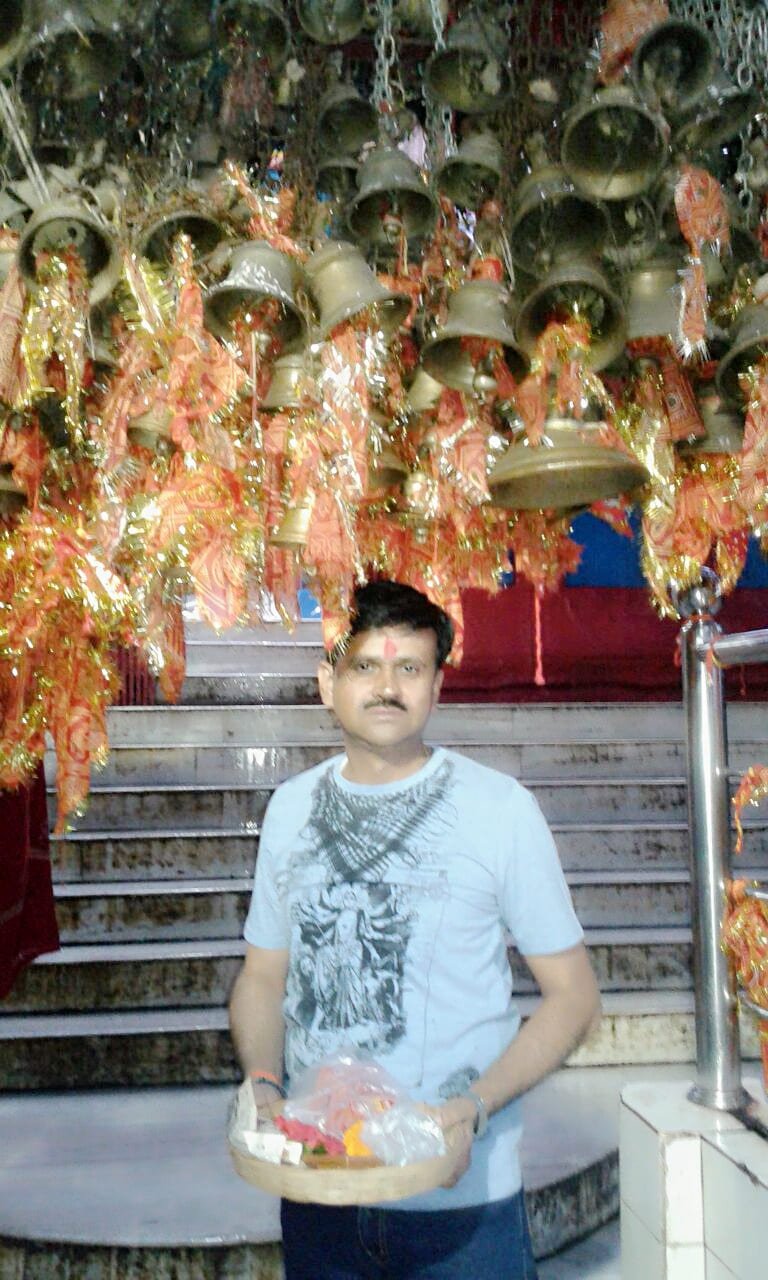


7. Maa Chinmastika (Ramgarh, Ranchi, Jharkhand)
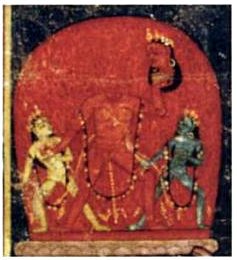
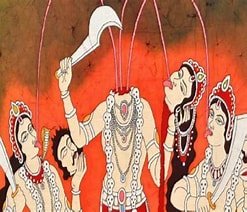
Chhinnamasta (Sanskrit: छिन्नमस्ता, Chinnamastā, “She whose head is severed”), often spelled Chinnamasta, and also called Ch(h)innamastika and Prachanda Chandika and Jogani Maa (in western states of India), is a Hindu goddess (Devi). She is one of the Mahavidyas, ten goddesses from the esoteric tradition of Tantra, and a ferocious aspect of Parvati, the Hindu Mother goddess. The self-decapitated nude goddess, usually standing or seated on a divine copulating couple, holds her own severed head in one hand and a scimitar in another. Three jets of blood spurt out of her bleeding neck and are drunk by her severed head and two attendants.
Chhinnamasta is a goddess of contradictions. She symbolises both aspects of Devi: a life-giver and a life-taker. She is considered both a symbol of sexual self-control and an embodiment of sexual energy, depending upon interpretation. She represents death, temporality, and destruction as well as life, immortality, and recreation. The goddess conveys spiritual self-realization and the awakening of the kundalini – spiritual energy. The legends of Chhinnamasta emphasise her self-sacrifice – sometimes coupled with a maternal element – sexual dominance, and self-destructive fury.
Chhinnamasta is worshipped in the Kalikula sect of Shaktism, the Goddess-centric tradition of Hinduism. Though Chhinnamasta enjoys patronage as one of the Mahavidyas, temples devoted to her (found mostly in Nepal and eastern India) and her public worship are rare. However, she is a significant Tantric deity, well known and worshipped among esoteric Tantric practitioners. Chhinnamasta is closely related to Chinnamunda – the severed-headed form of the Tibetan Buddhist goddess Vajrayogini.
The Pranatoshini Tantra (18th century) narrates two tales of Chhinnamasta’s birth. One legend, attributed to the Narada-pancharatra, tells how once, while bathing in Mandakini river, Parvati becomes sexually aroused, and turns black. At the same time, her two female attendants Dakini and Varnini (also called Jaya and Vijaya) become extremely hungry and beg for food. Though Parvati initially promises to give them food once they return home, the merciful goddess beheads herself with her nails and gives her blood to satisfy their hunger. Later, they return home after Parvati rejoins her head.
The other version, from the Pranatoshini Tantra and attributed to Svatantra Tantra, is narrated by Shiva. He recounts that his consort Chandika (identified with Parvati) was engrossed in coitus with him in reverse posture, but became enraged at his seminal emission. Her attendants Dakini and Varnini rose from her body. The rest of the tale is similar to the earlier version, although the river is called Pushpabhadra, the day of Chhinnamasta’s birth is called Viraratri, and upon seeing the pale Parvati, Shiva becomes infuriated and assumes the form of Krodha Bhairava. This version is retold in the Shaktisamgama Tantra (c. 16th century), in which Chhinnamasta forms a triad with Kali and Tara.
The Chintpurni (“She who fulfills one’s wishes”),Himachal Pradesh temple of Chhinnamastika, is one of the Shakti Peethas (considered the holiest goddess temples) and is where the goddess Sati’s forehead (mastaka) fell. Here, Chhinnamasta is interpreted as the severed-headed one as well as the foreheaded-one. The central icon is a pindi, an abstract form of Devi. While householders worship the goddess as a form of the goddess Durga, ascetic sadhus view her as the Tantric severed-headed goddess.
Another important shrine is the Chhinnamasta Temple near Rajrappa in Jharkhand, where a natural rock covered with an ashtadhatu (eight-metal alloy) kavacha (cover) is worshipped as the goddess. Though well-established as a centre of Chhinnamasta by the 18th century, the site is a popular place of worship among tribals since ancient times. Kheer and animal sacrifice are offered to the goddess.
Chhinnamasta’s shrines are also found in Nepal’s Kathmandu Valley. A shrine in the Changu Narayan Temple holds a 13th-century icon of Chhinnamasta. A chariot festival in the Nepali month of Baishakh is held in honour of the goddess. In the fields near the temple sits a small shrine to Chhinnamasta. A temple of the goddess in Patan built in 1732 contains her images in different postures and enjoys active worship.
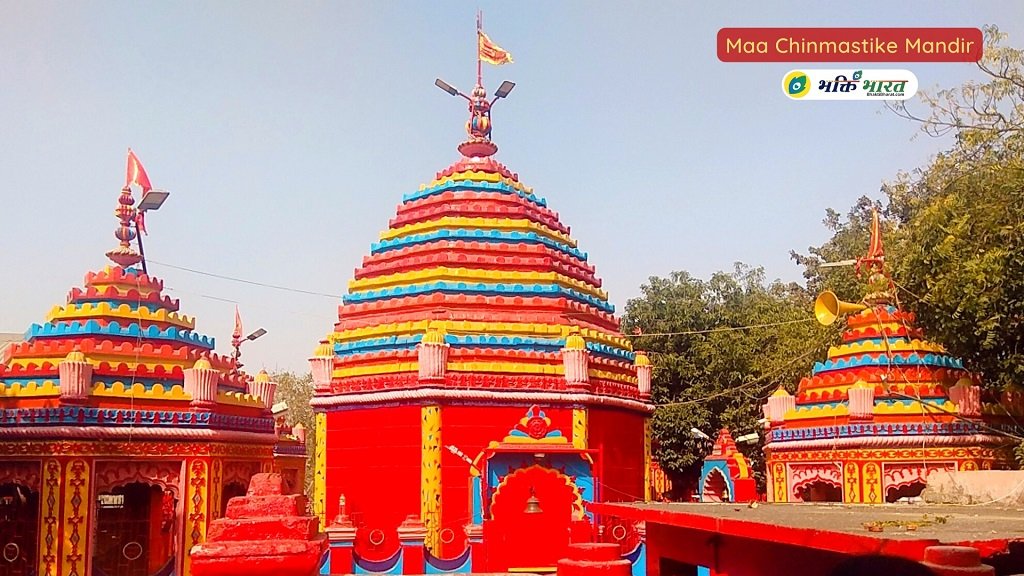
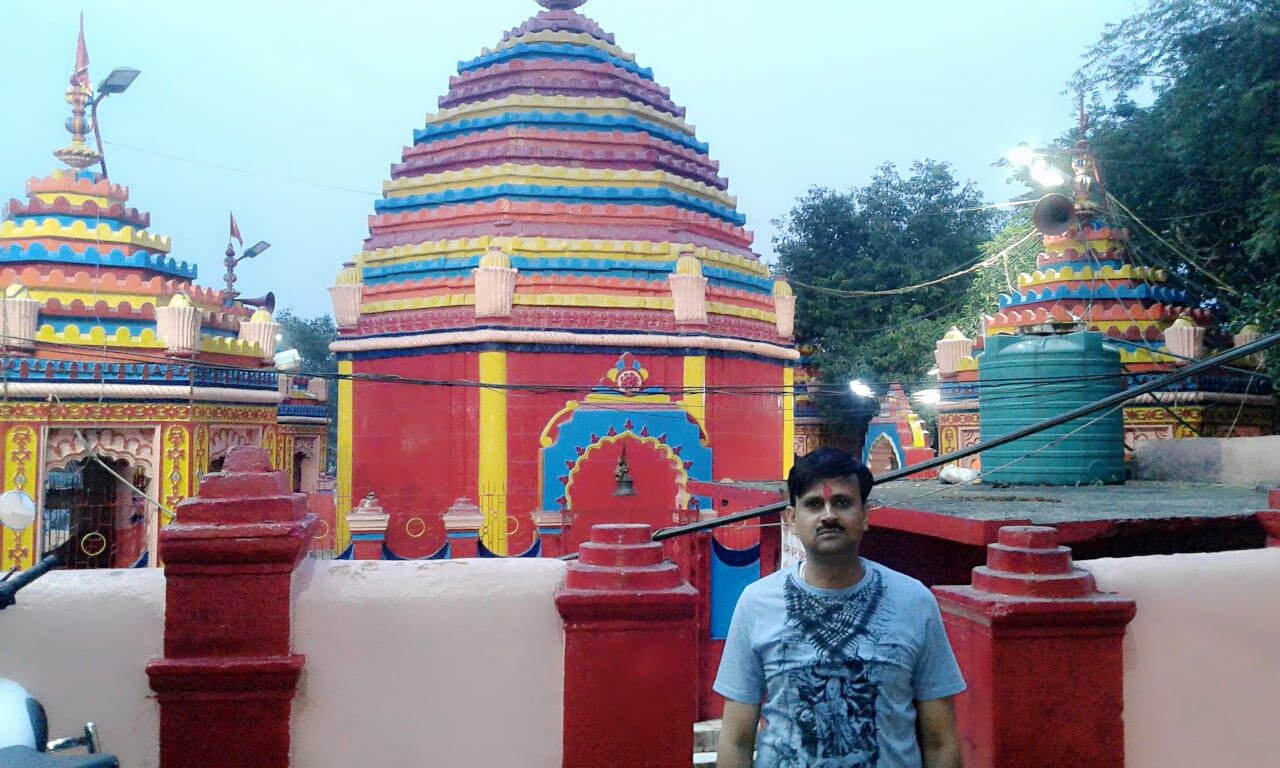
Maa Chinmastike Mandir is located in Rajrappa, about 80 km from Ranchi, the capital of Jharkhand. It is one of the oldest temples in India. Situated at the confluence of Bhairavi-Bhera and Damodar rivers, the divine form of Mata Chinnamastika is seen on the rock placed along the northern wall of the temple, facing south.
This Chinnamasta Temple was built about six thousand years ago. Devi has three eyes in the rock inside the temple. Her throat is adorned with Sarpamala and Mundmal. Open hair, Jihya outside, devi adorned with ornaments is naked. He holds a sword in his right hand and his severed head in his left hand. Dakini and Shakini are standing on either side of them, whom she is making her drink blood and is doing the same herself. Three streams of blood erupt from her throat. The main entrance of the temple is towards the east. In front is the place of sacrifice, where goats are sacrificed daily. There is also Mundan Kund here. There is also Papanashini Kund, which cures diseases of devotees.
There were ancient bricks, mythological idols and yagya kundas and mythological evidence around the temple, which were destroyed or went underground. This temple has been built according to the architecture. The sculpture of its circular dome is similar to that of the Kamakhya Temple of Assam.
Along with Maa Chhinnamasta, Lotus Temple of Maa Durga, Rajrappa Temple on the Sangam, Sun Temple, Krishna Temple and Naulakha Temple are also established in the temple premises.
Thousands of years ago humans and gods were terrorized by demons and demons. At the same time, humans started remembering Mata Shakti. Then Parvati (Shakti) was incarnated as ‘Chhinnamasta’. The other name of Chhinnamasta is also ‘Prachanda Chandika’. Then Mata Chinnamastika started killing the demons and demons with Khadag. Even hunger and thirst were not taken care of, only wanted to destroy the sinners. Rivers of blood started flowing. There was an uproar on the earth. Mata had assumed her fierce form. Apart from the sinners, she also started killing the innocent. Then all the deities went to Bhagwan Shiva after being frightened by the tremendous power, after hearing the prayers of the gods, Bhagwan Shiva reached Maa Chhinnamasta.
Seeing Bhagwan Shiva, Mata Chinnamastika said – \”Oh Nath! I am hungry. How can I satisfy my hunger?\” Bhagwan Shiva said that- \”You are the goddess of the whole universe. You are a power yourself. Then Bhagwan Shiva told the remedy that if you drink ‘Shonit’ (blood) after cutting your neck from the khadag, then your hunger will end. Will go.\” Then Mata Chinnamastika, after listening to Shiva, immediately cut her neck with a knife and took her head in her left hand. With the separation of the neck and head, three streams of blood came out of the neck, which were ‘Dakini’-‘Shakini’ on the left and right. Two streams went into the mouth of both of them and in the middle the third stream went into the mouth of the Mata, due to which the Mata was satisfied.
How to Reach
Nearest Railway Station : Ramgarh Cantonment railway station at a distance of nearly 27.6 kilometres from Chhinnamasta Temple.
Nearest Airport : Birsa Munda Airport at a distance of nearly 70.3 kilometres from Chhinnamasta Temple.