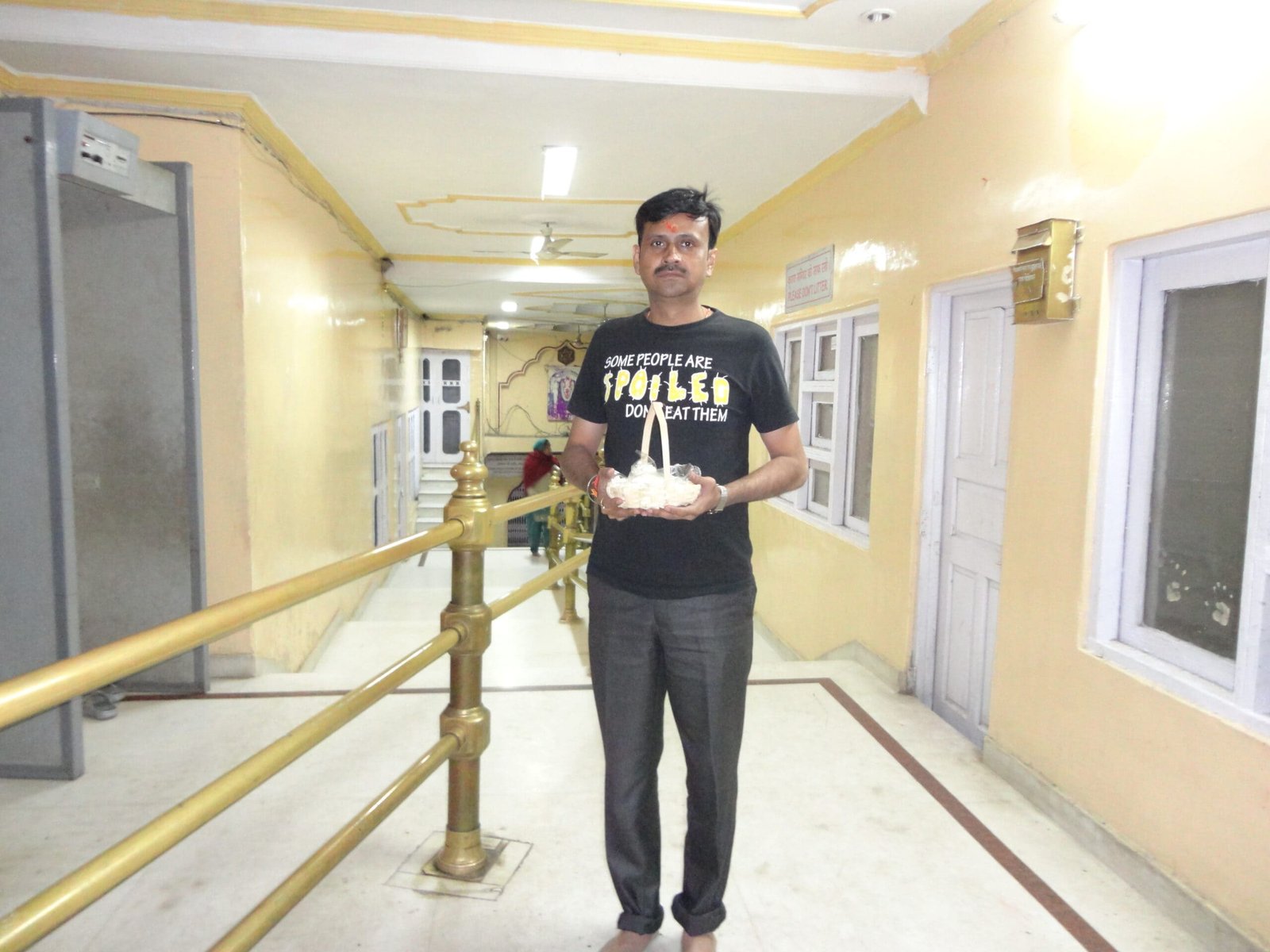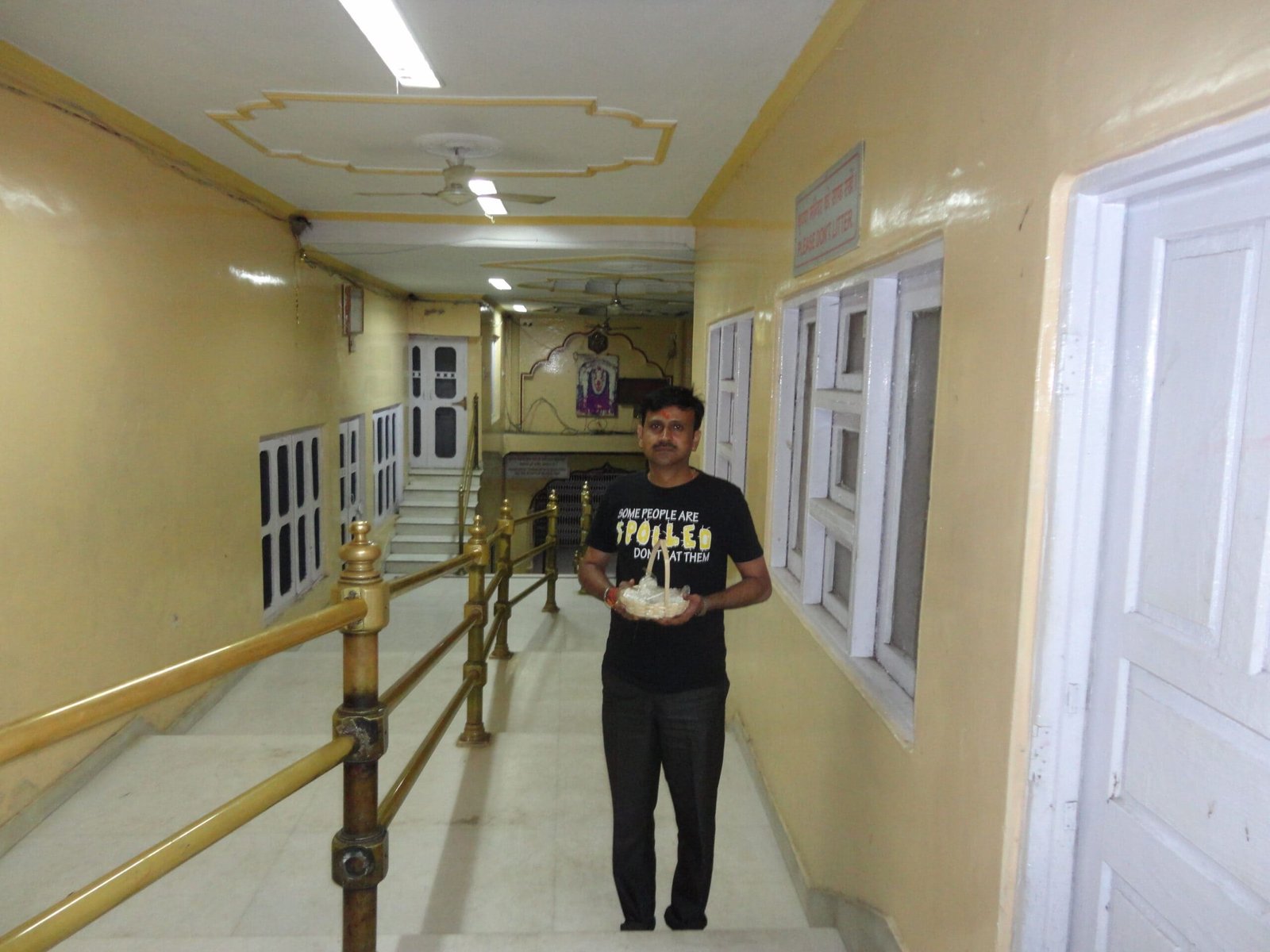


5. Maa Chamunda (Palampur, Kangra, Himanchal Pradesh)
Chamunda (Sanskrit: चामुण्डा, ISO-15919: Cāmuṇḍā), also known as Chamundeshwari, Chamundi or Charchika, is a fearsome form of Chandi, the Hindu Divine Mother Durga or Shakthi and is one of the seven Matrikas (mother goddesses).
She is also one of the chief Yoginis, a group of sixty-four or eighty-one Tantric goddesses, who are attendants of the warrior goddess Parvati. The name is a combination of Chanda and Munda, two monsters whom Chamunda killed. She is closely associated with Kali, another fierce aspect of Parvati. She is identified with goddesses Parvati, Kali or Durga.
The goddess is often portrayed as residing in cremation grounds or around holy fig trees. The goddess is worshipped by ritual animal sacrifices along with offerings of wine. The practice of animal sacrifices has become less common with Shaivite and Vaishnavite influences
In the Kangra district of Himachal Pradesh, around 10 kilometres (6.2 mi) west of Palampur, is the renowned Chamunda Devi Temple which depicts scenes from the Devi Mahatmya, the Ramayana and the Mahabharata. The goddess’s image is flanked by the images of Hanuman and Bhairava. Another temple, Chamunda Nandikeshwar Dham, also found in Kangra, is dedicated to Shiva and Chamunda. According to a legend, Chamunda was enshrined as chief deity “Rudra Chamunda”, in the battle between the demon Jalandhara and Shiva.
In Hinduism, Chamunda or Camunda is an aspect of Devi, the supreme mother goddess. The name is a combination of Chanda and Munda, two monsters which Devi killed.
The famous temple of Ma Chamunda is in Kangra district of Himachal Pradesh, India. It is around 10 km west of Palampur, on the Baner river. Around 400 years ago the king and a Brahmin priest prayed to Devi for permission to move the temple to some easily accessible location. Devi appeared to the priest in a dream giving her consent. She directed him to dig in a certain spot and an ancient idol would be found and that idol should be installed in the temple and worshipped as Her form.
The king sent out men to bring the idol. Although they were able to locate it but were not able to lift it. Again Devi appeared to the priest in a dream. She explained that the men could not lift the holy relic because they considered it an ordinary stone. She instructed him to get up early in the morning, take a bath, wear fresh clothes and go to the place in a respectful manner. He did as he was told and found that he could easily lift what a large group of men could not. He told the people that it was the power of the Goddess that brought the idol to the temple.
The temple now depicts scenes from the Devi Mahatmya, Ramayan and Mahabharata. The Devi’s image is flanked by the images of Hanuman and Bhairo on either side.
The famous Chamunda Nandikeshwar Dham is an abode of Shiva Shakti since the saga of Puranas. According to a legend, the Goddess Chamunda was enshrined as chief Goddess with the title of Rudra in the battle between demon Jalandhra and Lord Shiva which made this place famous as “Rudra Chamunda”. Another legend has it that “Savarni Manamantra” battle between the gods and demons, Chamunda emerged as Chandika from an eyebrow of Goddess “Kaushiki” and was assigned the task of eliminating the demons “Chand” and “Mund”. Chandika fought a fierce battle with these two demons and at last killed them. Goddess Chandika took the slain heads of the two demons “Chand” and “Mund” to the Goddess “Kaushiki” who being immensely pleased, blessed Chandika and bestowed upon her the title of “Chamunda,” the name which is famous all around the world.
Chamunda Devi temple is located in Kangra District of Himachal Pradesh. Chamunda Devi is an incarnation of the Goddess Durga. The Chamunda Devi temple is 10 km away from the Palampur. The name of the goddess is combination of the Chanda and Munda. These two demons are killed by the Goddess. The goddess is very close to Maa kali and the temple is located same spot where goddess Kali killed two demons Shumbh and Nisumbh. The temple is also known as Chamunda Nandikeshwar Dham among Hindus. This is because it is considered the home of ‘Shiva and Shakti’. Chamunda Devi is set at a beautiful location which is amid the beautiful Mountains and green scenery.
Mythology & History of Chamunda Devi Temple
According to Hindu Scripture, Devi Mahatmaya Chamunda emerged from an eyebrow of goddess Kausiki. Devi Kausiki assigned Devi Chamunda to kill demons Chanda and Munda. After killing the Chanda and Munda the goddesss got the name Chamunda.
In another epidose of Devi Mahatmaya, Goddess Durga created matrika from herself to kill the demons Chanda and Munda. In this episode Goddess kali is incarnation of Chamunda, who suked all the blood of the demon Raktbija.
In Matasya Purana, the story is different about Goddess Chamunda. Goddess was created by the Lord Shiva to kill the demon Andhkasura wha had ability that his blood drop rose another demon. Goddess sucked the blood of the Andhkasura with other Matrikas to help Lord shiva that he can kill him.
Goddess Chamunda was chief of the Yogini. Yoginis wad daughters and manifestations of the Yogini. Chamund adeci believed to create seven other Yoginis.
Hundreds year ago, once a king and priest prayed to Chamunda Devi for build her temple then Godess came into the dream of Preist and told him that dig a certain area and he would found an idol. The priest told about this dream to King then the king sent his men to brought that idol but the men could not brought that idol. Then the Godeess told the priest to get up early in the morning and take a bath. After wearing fresh clothes, he should go to the place. The priest did the same what was told to him. He found that he could lift the idol easily. He placed the idol in its present location.
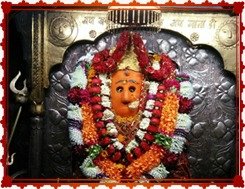
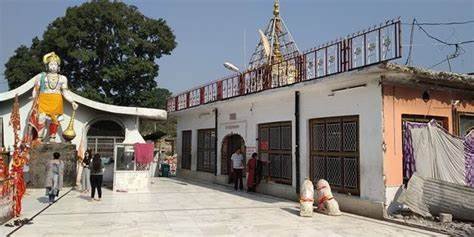
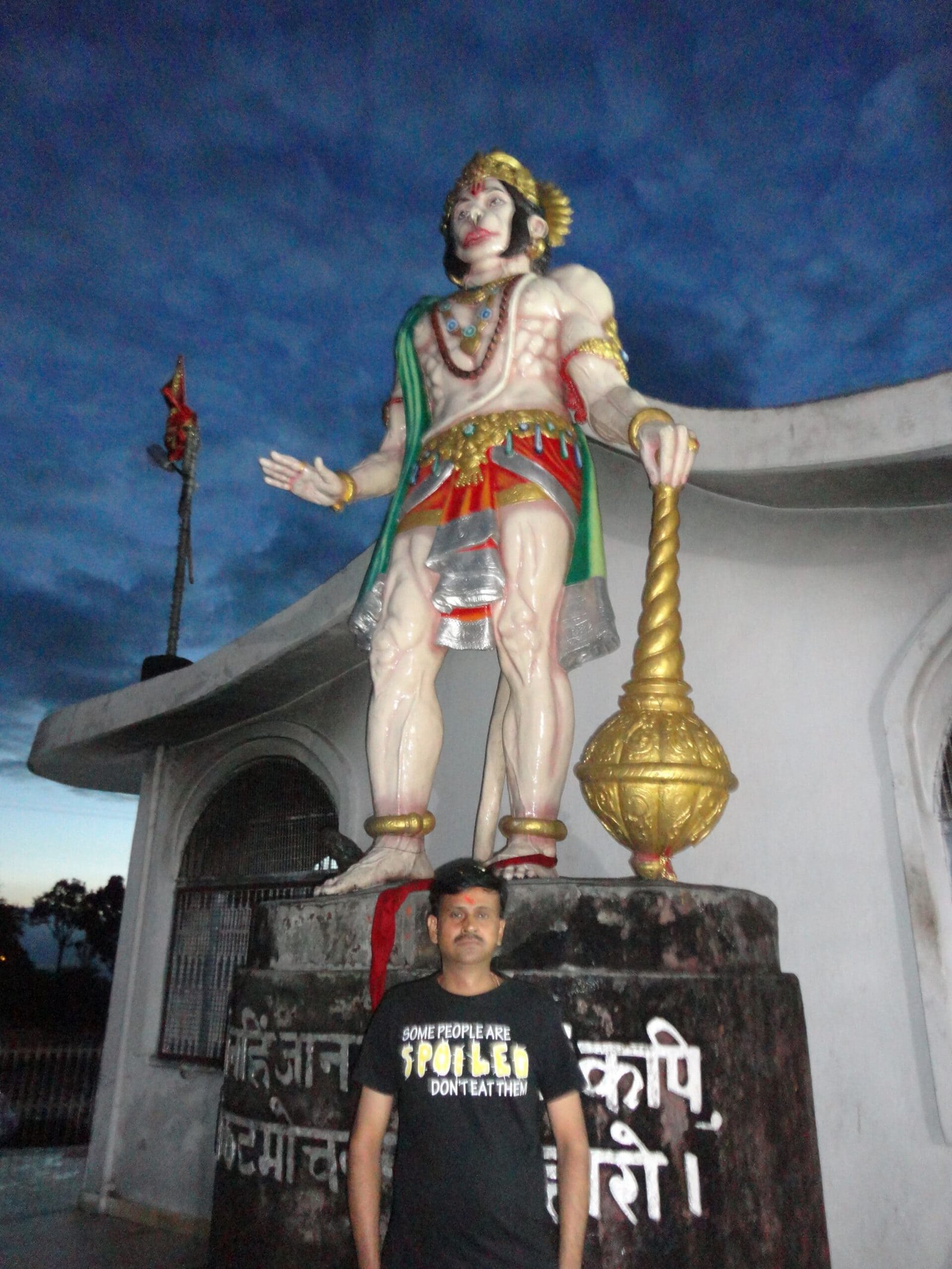
The Chamunda Devi temple is situated at bank of small river. The architecture of the temple is very simple. In the complex of the temple there is a large pond with the idol of the Lord Shiva and people also can take bath. The walls of the main temple are carved with beautiful creativity. There are several other temples of Lord Shiva and Hamuman. The main image of Goddess Durga is visible from the main entrance and is draped in rich clothes. The inner walls of main temple are carved with silver. The shikhara of the temple is coated with gold. There is another temple of the Lord Shiva which is known as Nandiswar temple. Idols of the many other gods are placed in the centre of the temple complex.
The temple is 700 years old, dedicated to the goddess Chamunda. The main idol of the temple is made up with black and red stone. The idol is wearing the garland of the skull. The goddess also wears the Yajnopavit of skulls. Yajnopavit is worn by the Male Hindu priest. There is a scorpion sitting on her navel like a decoration. Chamunda depicted adorned by ornament of bones, skull, scorpion symbol of disease and death.
Navaratri – Navaratri is a major festival at the Chamunda Devi temple. During the Navaratri there is huge crowd in the temple. Devotees are come from the various parts of India to take blessings.
The temple opened for visitors every morning at 6.00 a.m. and close 12.00 p.m. and then 1.00 a.m to 9.00 p.m.
Chamunda Devi Temple Pooja Timing
Morning Aarti – The morning Aarti performed in the morning at 8.00 a.m.
Evening Aarti – The evening Aarti performed at 6.00 p.m.
The temple is located at Kangra district of the Himachal Pradesh. The temple is 15 km away from the Dharamshala. And the distance is 10 km from Palamur.
How to Reach
By Air : The nearest airport is Gaggal airport in Kangra district. This is 28 km away from the temple. The airport is connected with some specific cities of the India.
Rail : The nearest railway station is Moranda Railway station, which is 30 km away from the temple.
Road : The temple is situated 10 km away from the Dharamshala. State transport buses are also available from the Haryana, Punjab, Uttarpradesh, Delhi, Uttarakhand.