

3. Bhubneshwar (Odisha)
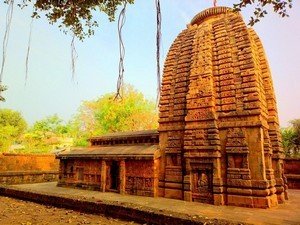
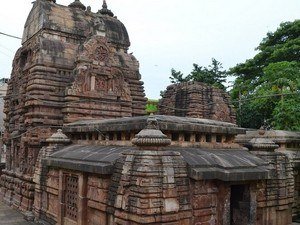
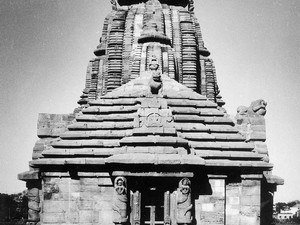
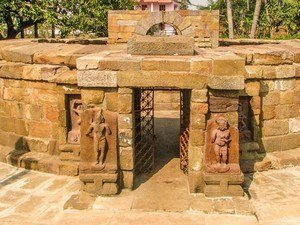
Bhubaneswar is the capital and largest city of the Indian state of Odisha. The region, especially the old town, was historically often depicted as Ekamra Khetra (area (kshetra) adorned with mango trees (ekamra)). Bhubaneswar is dubbed the “Temple City”a nickname earned because of the 700 temples which once stood thereAlthough the modern city of Bhubaneswar was formally established in 1948, the history of the areas in and around the present-day city can be traced to the 7th century BCE and earlier. It is a confluence of Hindu, Buddhist and Jain heritage and includes several Kalingan temples, many of them from 6th–13th century CE. With Puri and Konark it forms the ‘Swarna Tribhuja’ (“Golden Triangle”), one of eastern India’s most visited destinations.
Bhubaneswar replaced Cuttack as the capital on 19 August 1949, 2 years after India gained its independence from Britain. The modern city was designed by the German architect Otto Königsberger in 1946. Along with Jamshedpur and Chandigarh, it was one of modern India’s first planned cities.
Bhubaneswar stands near the ruins of Sisupalgarh, the ancient capital of the erstwhile province of Kalinga. Dhauli, near Bhubaneswar was the site of the Kalinga War (c. 262-261 BCE), in which the Mauryan emperor Ashoka invaded and annexed Kalinga. One of the most complete edicts of the Mauryan Emperor, Ashoka, dating from between 272 and 236 BCE, remains carved in rock, 8 kilometres (5.0 mi) to the southwest of the modern city. After the decline of the Mauryan empire, the area came under the rule of Mahameghavahana dynasty, whose most well-known rule is Kharavela. His Hathigumpha inscription is located at the Udayagiri and Khandagiri Caves near Bhubaneswar. The area was subsequently ruled by several dynasties, including Satavahanas, Guptas, Matharas, and Shailodbhavas.
In the 7th century, Somavamshi or Keshari dynasty established their kingdom in the area, and constructed a number of temples. After the Kesharis, the Eastern Gangas ruled Kalinga area until the 14th century CE. Their capital Kalinganagara was located in present-day Bhubaneswar City. After them, Mukunda Deva of the Bhoi dynasty – the last Hindu ruler of the area until the Marathas – developed several religious buildings in the area.[22] Most of the older temples in Bhubaneswar were built between 8th and 12th centuries, under Shaiva influence. The Ananta Vasudeva Temple is the only old temple of Vishnu in the city. In 1568, the Karrani dynasty of Afghan origin gained control of the area. During their reign, most of the temples and other structures were destroyed or disfigured.
In the 16th century, the area came under pachamani Mughal control. The Marathas, who succeeded the Mughals in the mid-18th century, encouraged pilgrimage in the region. In 1803, the area came under British colonial rule, and was part of the Bengal Presidency (until 1912), Bihar and Orissa Province (1912-1936)and Orissa Province (1936-1947). The capital of the British-ruled Orissa Province was Cuttack, which was vulnerabile to floods and suffered from space constraints. Because of this, on 30 September 1946, a proposal to move the capital to a new capital was introduced in the Legislative Assembly of the Odisha Province. After independence of India, the foundation of the new capital was laid by Prime Minister Jawaharlal Nehru on 13 April 1948.
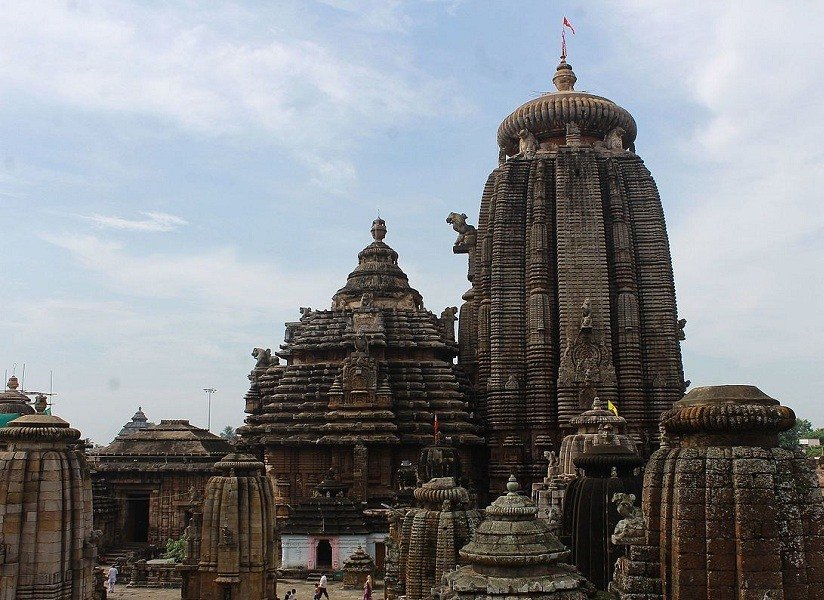
1. Lingaraja Temple
Dedicated to Harihara, a combined form of Vishnu and Shiva, Lingaraja Temple was built in 11th century CE by King Yayati Keshari of Somavanshi dynasty. He started the construction of the temple while he shifted his capital from Jaipur to Bhubaneswar. But historians believe that the temple might have been existed from 6th century CE. It is said that when the construction of Lingaraja Temple was about to complete, the Jagannath cult started growing. This belief is further empowered with the fact that Lord Vishnu and Lord Shiva are worshipped here.
According to the legend, Lord Shiva revealed to Parvati that Bhubaneshwar or Ekamra Kshetra was a resort favoured by him over Benares. In order to explore the city, she disguised herself as an ordinary cattlewoman and ventured out. While she was out exploring, she came across two demons named Kritti and Vasa, who wanted to marry her. The demons continue to pursue Parvati despite her continuous refusal. In the process of protecting herself, she destroyed the two of them. It was then that Lord Shiva descended and formed the Bindu Sagar Lake and resided there for eternity.
Built in the traditional Kalinga style of architecture, the Lingaraja Temple faces east and is built of sandstone and laterite. The temple comprises of four main components namely the vimana, the bhoga-mandapa, the natamandira and the jagamohana. The central tower of the temple is 180 feet tall. In the sanctum sanctorum, the lingam of Lord Shiva is regarded as ‘Swayambhu’ and is worshipped as both Lord Shiva and Lord Vishnu. The Shivalingam rises to a height of 8 inches above the floor level, and is 8 feet in diameter. The temple has 150 smaller shrines in its spacious courtyard and is surrounded by massive walls embellished with beautiful sculptures.
The Lingaraja Temple is one of the few ancient temples in the city which are still used for worship. The Lingaraj Temple attracts lakhs of devotees every year, especially during Shivaratri. Pilgrims from all over the country gather here to offer prayers to Lord. Chandan Yatra and Ratha Yatra are the other two important festivals celebrated at Lingaraja Temple with great pomp and fervor.
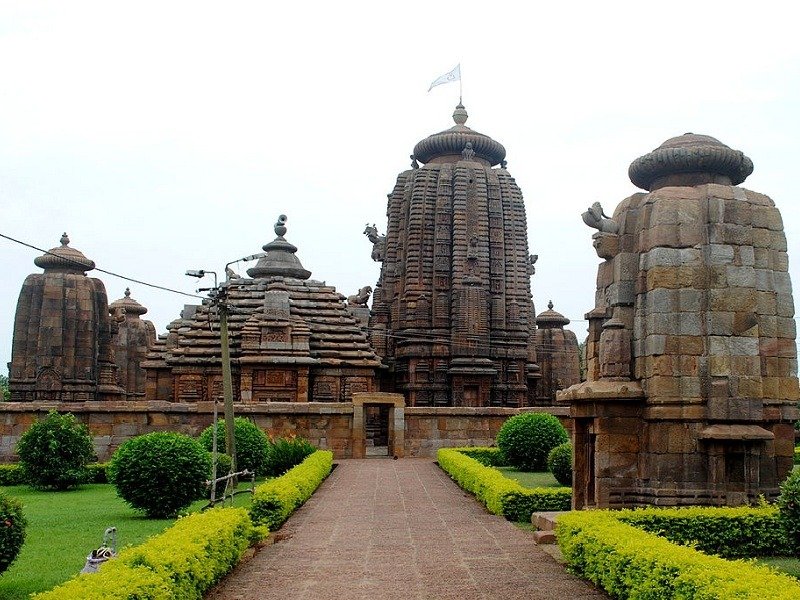
2. Brahmeswara Temple
At a distance of 3 km from Lingaraja Temple, Brahmeswara Temple is a famous Hindu temple located in the temple city of Bhubaneswar. It is one of the holy places to visit in Bhubaneswar and among the best places of heritage in Orissa.
Dedicated to Lord Shiva, Brahmeswara Temple stands in a courtyard flanked by four smaller temples. The temple belongs to late 11th century according to an inscription carried to Calcutta from Bhubaneswar. The inscription indicates that the temple was built in 1058 AD by King Udyotakesari’s mother Kolavati Devi during the Somavamsi king’s 18th ruling year.
The temple is built in the traditional Kalinga architecture style by using of stones. The temple is classified as a panchatanaya temple where four subsidiary shrines situated in the four corners of the main shrine. This pyramid shape temple has two parts namely the Vimana and Jagamohana. The Vimana of the temple is around 18.96 m. It was during the construction of this temple that iron beams were used by the builders. The Jagamohana is famous for the lion head idols that were first found at the Mukteswar Temple. The sandstone walls and the wooden structures of the interior are worth mentioning.
Brahmeswara Temple is renowned for its artistic sculptures, especially for the sculptures in the tower and porch of the temple. Tantric related images are also placed inside this temple. The exterior walls of the temple are adorned with the figures of several gods and goddesses, carvings of birds, animals and some religious scenes. Exquisite of the carvings is Lord Shiva in the form of Nataraja, playing a veena above a bull and voluptuous female figures elaborately bedecked with ornaments.
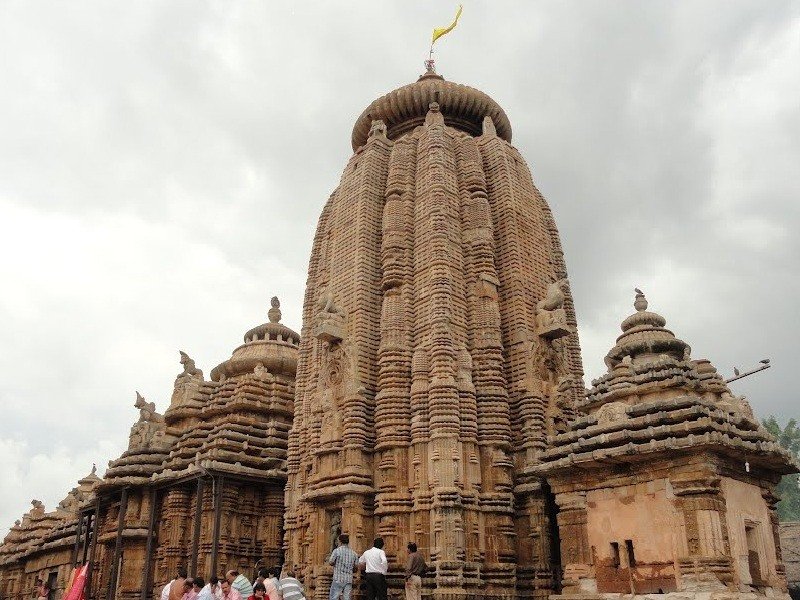
3. Ananta Vasudeva Temple
Ananta Vasudeva Temple is a famous Hindu Temple located on the eastern bank of Bindu Sarovar in Bhubaneswar. Situated near Lingaraja Temple, Ananta Vasudeva Temple is one of the few aishnavite temples in Bhubaneswar and also one of the top Bhubaneswar Tourist Places.
Dating back to 13th century AD, Ananta Vasudeva Temple is the worship place of the complete idols of Lord Krishna, Lord Balarama and Goddess Subhadra. According to the legends, Lord Vishnu was worshiped at the place where Ananta Vasudeva Temple stands at present. The new temple was built in the 13th century by Queen Chandrika, the daughter of Anangabhima III, during the reign of the king Bhanudeva. The Marathas, who extended their empire up to river Mahanadi, were responsible for renovating the Vishnu Temple at Bhubaneswar in the late 17th Century.
The architecture of this temple looks like Lingaraja Temple and has Vaishnavite sculptures. It has longitudinal shikharas with beautiful carvings. The temple contains a three-chambered frontal adjunct consisting of Jagamohana, the Natamandira and the Bhogamandapa. It has longitudinal bands of miniature shrines carved with ornaments. It is positioned in a walled compound along with abundant structures. An image on the wall of the temple displays legend of Lord Vishnu who appears as Varaha avatar.
The idols found in the sanctum sanctorum of the temple have complete structure unlike the images of the Puri Jagannath Temple. Here the deities are made of black granite stone, rather than wood, as seen in the Puri temple. Balarama stands under a seven hooded serpent and Subhadra holds Jewels pot and lotus in her two hands keeping her left foot over another jewel pot, while Krishna holds a mace, chakra, lotus and a conch.
Janmastami is the most auspicious day for the Ananta Vasudeva Temple. Thousands of devotees visit the temple to worship Lord Krishna. Devotees offer sweet, butter, milk, curd, incense, new clothes and flowers to the Lord.
4. Udayagiri & Khandagiri Caves
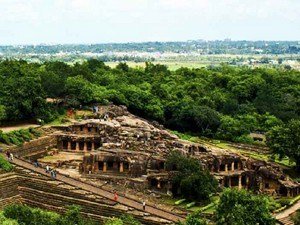
Udayagiri and Khandagiri Caves have derived their names, owing to their location on two hills, Udayagiri and Khandagiri. Mentioned as Kumari & Kumara Parvatas in Hathi Gumpha inscription, the two caves face each other across the road. These two hills represent one of the earliest groups of Jaina rock-cut architecture in eastern India in the field of architecture, art and religion. The caves of Udayagiri and Khandagiri, called Lena in the inscriptions, were dug out mostly during the reign of Kharavela for the abode of Jaina monks during 1st century BC. These caves were first brought to the notice by A. Stirling in 1825 AD.
There are total 33 rock-cut caves on both the hills out of which 18 caves are excavated on Udayagiri hill while 15 are on the Khandagiri hill. The name Udayagiri means Hill of Sunrise. The Rani Gumpha or the Queen’s Cave is the largest and the architectural marvel of the entire complex. It is a two storied monastery supported by many columns and terraces. The cave contains beautiful sculptures of dancing women, royal entourage, and musical instruments. In Udayagiri, Hathi Gumpha (Cave 14) and Ganesha Gumpha (Cave 10) are especially well known due to their sculptures and reliefs as well as due to their historical importance. Hathi Gumpha contains carved chronicles of King Kharavela’s reign – the famous Hathi Gumpha inscription.
Of the 15 Caves in Khandagiri, Ananta Gumpha (Cave 3) is the most impressive one. The cave is named after carvings of two serpents on the entrance. The carvings on the walls of the cave depict figures of women and children, athletes, lions, bulls and many other animals. The Navamuni Gumpha (Cave 7) carries sculptures depicting 9 Jain Tirthankaras while the Barabhuji Gumpha has two relief images of twelve armed Sasana Devis. There are few Tirthankara sculptures also found in this cave. Khandagiri offers a fine view of Bhubaneswar from its summit.
5. Dhauli Giri
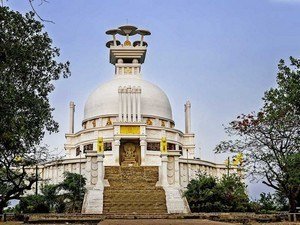
8km from Bhubaneswar. Looking down on the plains that bore witness to the gruesome war waged on Kalinga by the Mauryan emperor Ashoka, stand the rock edicts of Dhauli. It was here that King Ashoka, full of remorse after the Kalinga War in 261 BC, renounced his blood-thirsty campaign and turned to Buddhism. The edicts are a living testimony to the King’s change of heart. He urges his administrators to rule the land with justice and compassion. The edicts are so remarkable that they have been excellently preserved, despite the fact that they date back to the 3rd century BC. A sculpted elephant, the symbol of the boundless powers of Lord Buddha, tops the rock edicts. The Shanti Stupa or the peace pagoda, built through the Indo-Japanese collaboration, is located on the opposite hill.
6.Mukteshwara Temple
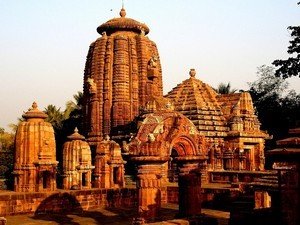
Dating back to 10th century this temple marks an important transition point between the early and the later phases of the Kalinga architecture. The highlight is the magnificent torana – the decorative gateway, an arched masterpiece, reminiscent of Buddhist influence in Odisha. This temple is considered to be the gem of Odishan architecture. The beautiful sculptures eloquently speak of the sense of proportion and perspective of the sculptor and their unique ability in the exact depiction of the minutest objects. Mukteswara means “Lord of freedom”.
7.Rajarani Temple
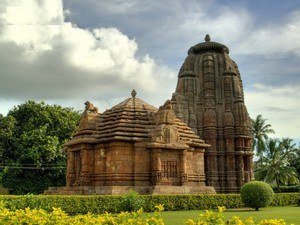
This temple got its name from a red-gold sandstone used, which is called Rajarani locally. It has no presiding deity but many intricately carved figurines in various stages of daily chores.
8. Bhaskareswara Temple
The temple was built by Gangas during 13th – 14th century CE. This temple is quite different from the other temples of Bhubaneswar in terms of its architecture. Built in the traditional architectural style of the temples of Orissa, Bhaskareswara temple is a double storied temple. The bada that is built in two tiers is a unique feature. The presiding deity of the temple is Lord Shiva worshiped as Bhaskareswara. The unique feature of the west facing temple is the 9 feet tall Shivalingam located in the sanctum sanctorum. It can be seen from both the floors. The lingam has been described in the local sacred texts as Vrihalingam. The local people believe that the idol is growing day by day.
9.Odisha State Museum
Housing a rich collection of sculptures, coins, copper plates, stone inscriptions, lithic and bronze age tools, rare manuscripts written on palm leaves, traditional and folk musical instruments. Rare epigraphic records are preserved in the Epigraphy Gallery.
10. Sri Sri Krishna Balarama Mandir
ISKCON, on NH5 (ask the autorickshaw drivers, about Rs40 from town). Non-Hindus and foreigners who desire to visit a Hindu temple can go to this temple – the devotees are friendly and there is a cheap and clean vegetarian restaurant.
11.Nandankanan Zoo
About 15km outside of Bhubaneswar (large numbers of buses ply from Acharya Vihar Square or by auto-rickshaw). The zoo has some rare species of animals and is particularly well known for white tigers. There is a nice lake inside for boating, a ropeway, also the Botanical Garden is adjacent to the zoo. Avoid visiting the park on weekends when it gets pretty crowded. Open 8 am – 5 pm. Every Monday closed.
12. Museum of Tribal Art & Artefacts, CRPF Square
The museum gives an impressive insight into the culture of the many different tribals living in and around Odisha. Tools, clothes and artwork is presented over several halls. In every area a guide of the museum will take care of you and give you extensive explanations – you really get to know something about the things you see. Anyway there is no entry fee.
13. Parashurameswar Temple
Built in 650 AD, Parashurameswar Temple is a small but marvelously decorated shrine of Lord Shiva dated to the Shailodbhava period. The temple is considered one among the Parashurameswara group of temples. The temple is an excellent specimen of the Kalinga architectural style. The temple contains a vimana and a jagamohana. The vimana is square in plan and the walls have sections called rathas or pagas. The vimana has a curvilinear tower (called bada) in the form of a pyramid composed of horizontal planes. Amalaka, a stone disk with ridges on the rim, is placed over the bada of the temple.
Though the temple is dedicated to Lord Shiva, there are images of Lord Vishnu, Surya, Indra, Yama and a group of seven mother Goddesses. The temple is the first in Bhubaneswar to contain depictions of Saptamatrikas, namely, Chamunda, Varahi, Indrani, Vaishnavi, Kaumari, Shivani and Brahmi. The spectacular identity and uniqueness of the temple is the one thousand lingams, placed in the North -West corner of the temple. The walls of the temple are adorned with verdant sculptures of animals and birds, amorous couples, floral designs, beautifully carved Hindu Gods etc.
14. Vaital Temple
The Vaital Temple is an 8th century temple of typical Khakara style of Kalinga School of architecture. This is one of the rare temples in India that was used as a shrine devoted to tantric cult. The temple is dedicated to Goddess Chamundi, the tantric form of Goddess Durga. The temple is one of the most highly revered ones among the Hindus and a large number of devotees come to offer their prayers on some auspicious occasions.
The deul or tower of the temple is the most striking feature of the temple. The semi-cylindrical shape of its roof bears an affinity to the Dravidian gopuram of the South India temples. The plan of the deul is oblong and the jagamohana is a rectangular structure, but embedded in each angle is a small subsidiary shrine. The facade of the deul above the left of the jagamohana is dominated by two chaitya windows. The lower one having a beautifully carved figure of sun god Surya noted for its facial expression, with Usha and Pratyusha shooting arrows on either side. The upper chaitya-window is adorned with a 10-armed Nataraja.
In front of the flat roofed jagamohana is a stone post relieved with two Buddha like figures seated in dharma-chakra-pravartana mudra. The temple is appreciated for its sculpture and architectures. The entrance is decorated with a four-faced linga with remarkable carvings. The outer walls are covered with panels of Hindu deities, mostly Shiva and his consort Parvati in her Shakti form, hunting processions, capturing of wild elephants and the occasional erotic couples.
15. Mohini Temple
The temple is dedicated to ten armed Chamundi Devi. The temple was built by Mohini Devi, the Queen of Bhauma King Sivakara Deva II, in 687 CE, hence the name Mohini Temple. Standing to a height of about 9.45 m, the Mohini Temple architectural feature bears a close resemblance to the Parasurameswar Temple. The sanctum sanctorum has rekha type vimana and Jagamohana is pidha type. The damaged Jagamohana has been renovated recently. The temple is tri ratha on plan and tri anga bada in elevation.
The presiding deity image is terrific and is depicted in tantric form in sunken belly, wearing garlands of skulls and standing on a corpse. In the same sanctum there is an idol of a six-armed image of Mahishasuramardini lying on the floor. In Jagamohana there are some idols such as eight armed Durga and others are found.
16. Chausath Yogini Temple
HaripurAlso known as Mahamaya Temple, the temple is believed to be built by the Queen Hiradevi of Bhauma dynasty during the 9th century. The Hirapur Temple is the smallest of the Yogini temples in India. It measures only thirty feet in diameter, and is hardly eight feet high. It is built in a circular fashion with blocks of sand stone. The Yogini traditions are tantric in nature and therefore have strong connections to rural and tribal traditions.
Adorned in red cloth and vermilion, Mahamaya is the presiding deity of the temple. The interior walls of the temple contain 60 niches, one each for the Yogini statues, two feet tall, sculpted from fine grey chlorite stone. Three yoginis adorn the central pillar or Chandi Mandap along with four Bhairavas. While three of the Bhairavas are sculpted in sitting posture, one of them is standing and is termed as Ekapada Bhairav. The Chandi Mandap by design contained a statue of Lord Shiva as dancing Nataraja, but is currently missing.
The Hirapur Yoginis are extraordinary beautiful figures with exquisite features and sensuously formed bodies. All the 64 yoginis have been depicted wearing necklaces, garlands, armlets, bangles, anklets, earrings and other ornaments. Some of the Yoginis of the temple have also been portrayed as huntresses with bows and arrows, whereas others balancing on a pair of wheels, or playing a drum. The deities of the temple are still worshipped by the locals of Hirapur.
How to Reach
By Air – Located around 6 km away from the city-centre, the Bhubaneswar Airport or Biju Patnaik International Airport connects the city with rest of the country by air. There are daily flights for Bhubaneswar from cities like New Delhi, Chennai, Mumbai, Kolkata, Hyderabad, Bangalore and Visakhapatnam. From the airport, taxi/bus services are available to reach any part of the city.
By Road – Baramunda bus stand, located around 5 km away from the city centre connects Bhubaneswar to all other major India cities by road. Regular bus services are available for the cities like Konark, Puri, Hyderabad, Raipur, Ranchi and Kolkata.
By Rail – Bhubaneswar Railway Station is the main railhead connecting the city with several Indian cities. There are regular superfast trains available from Kolkata, Mumbai, Delhi, Chennai, Hyderabad, Bangalore etc. From the station, you can take private cabs or taxis to reach anywhere in the city.